
This week's abrupt cancellation of Jimmy Kimmel is a defining moment that underscores the vital role advertisers play in supporting the media that allows comedians to make jokes at politicians' expense.
True
donald trump
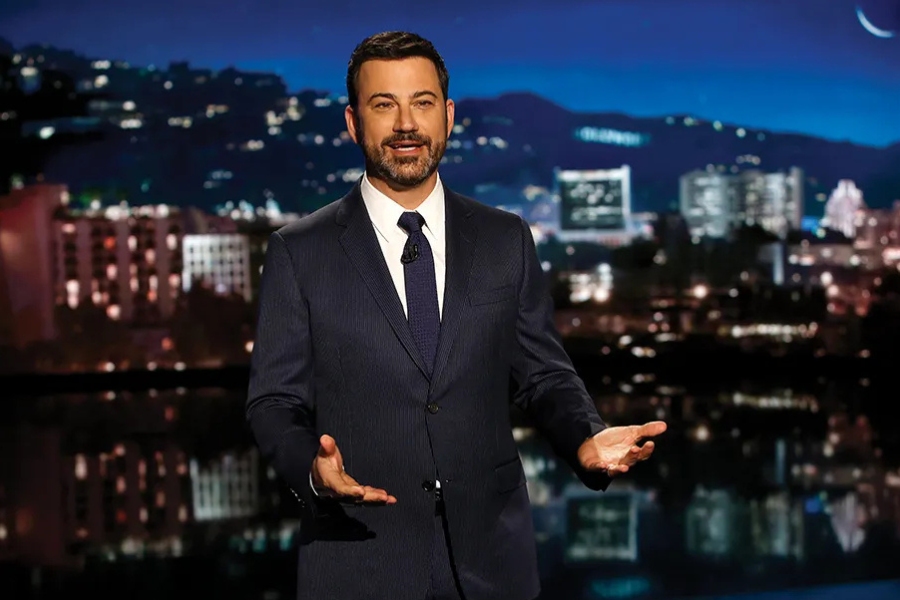
Trump vs. late-night: Why the joke’s no longer funny
donald trump
free speech
jimmy kimmel
Trump teases US-China TikTok deal
bytedance
donald trump
tiktok
TikTok will avoid going dark nationwide on Wednesday, and buyer plans are set to be finalised on Friday.

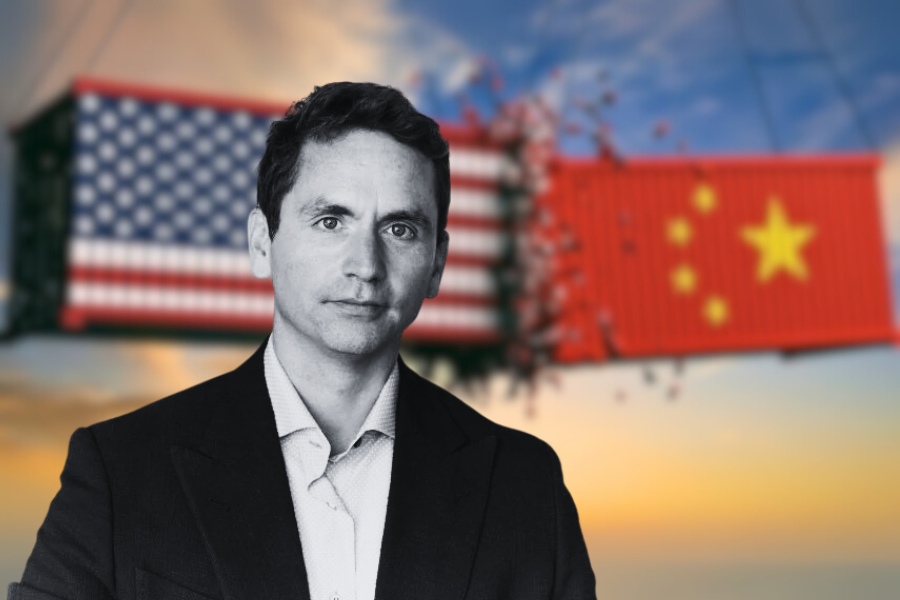
100 days in, how are Trump’s tariffs reshaping marketing in Asia?
asia
donald trump
marketing
tariffs
SOUNDING BOARD: As the ongoing US tariffs fuel uncertainty across global trade and regional growth, Campaign asks brand and agency leaders across Asia about how they're rethinking priorities and preparing for a more volatile future.
How the tariff war could strengthen Apple's ties with India
apple
china
donald trump
iphones
tariff war
India could produce up to 25% of iPhones this year as Apple shifts production to counter escalating tariffs.
Trump postpones TikTok ban for another 75 days
amazon
donald trump
microsoft
rednote
tiktok ban
Plus, a handy cheat sheet overview of who is reportedly kicking the tires on TikTok.
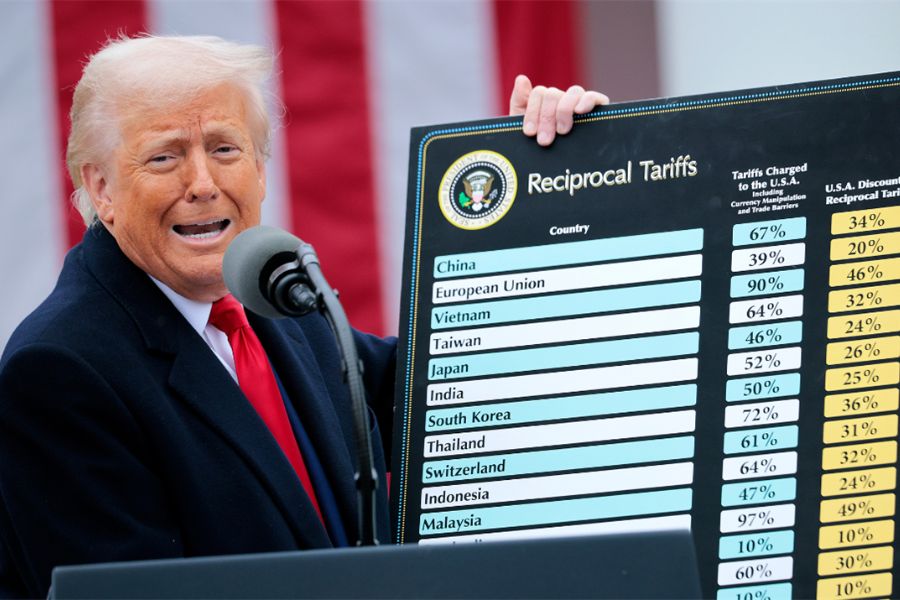
‘Marketers will need to be flexible’: What Trump’s tariff war means to the advertising industry
adland
donald trump
marketing
tarrifs
An increase in prices for consumers can lead to damaged brand reputations and cutting budgets, which means marketers will need to learn to adapt in the shifting economic landscape.
Trump cuts funding to Radio Free Asia and global independent broadcasters, raising concerns over press freedom
apac
broadcast
china
donald trump
freedom of press
media
radio free asia
The funding freeze on international broadcasters has put key media organisations in limbo, threatening press freedom worldwide and jeopardising the future of independent journalism in regions dominated by state-controlled narratives.
More pocketbook, less politics: How C-suites should talk about tariffs
csuite
donald trump
tariffs
us election 2025
Whether tariffs imposed by the Trump administration are on, off or somewhere in between, there are ways executives can address them without inviting political blowback.
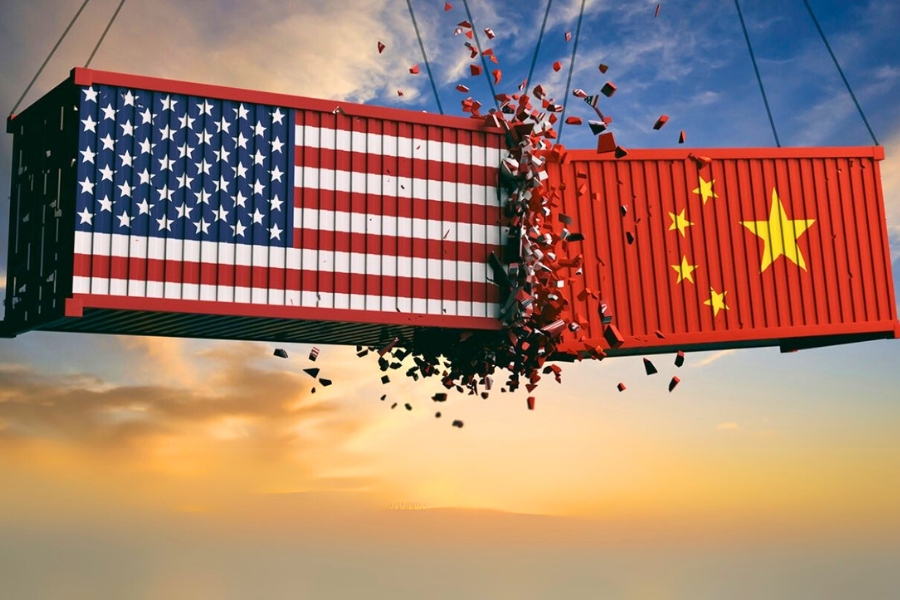
Asian advertising braces for a trade war that may never come
donald trump
trump 20
No trade war? That's the good news. The bad news? China's economic struggles could still stifle Asian advertising growth, impacting sectors like luxury goods and automobiles, says analyst Ian Whittaker.
Davos elites bullish on future of business
davos
donald trump
edelman trust barometer
tiktok
world economic forum
There was a sense of guarded optimism in the air at the latest World Economic Forum. But CEOs want their CCOs to step up and deliver on their greater accountability.

Following Trump's lead is a mistake. It's time for agencies to focus on climate
clean creatives
climate change
donald trump
environment
parish agreement
trump
Just like you wouldn’t plan a picnic without considering the weather; agencies that try to plan for the future without considering climate change are risking disaster, says Clean Creatives' Duncan Meisel.
Trump signs order to delay TikTok ban for 75 days
donald trump
social media
tik tok ban
With the new US president asking for a 50% stake in TikTok, advertisers should be cautious of the evolving landscape and not put their ‘eggs into one social basket’.
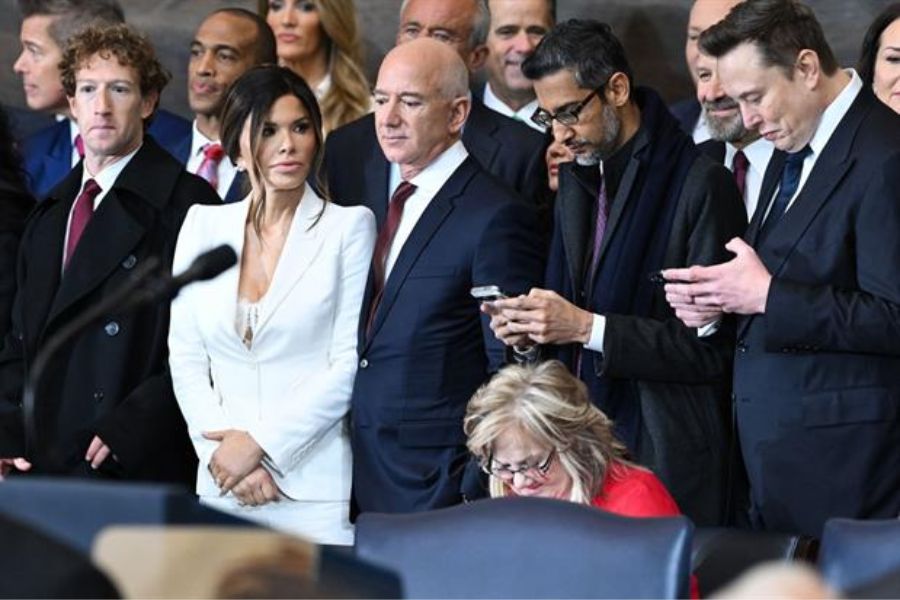
Advertisers, it’s time to face facts. Because truth matters
2024 us election
advertising
donald trump
opinion
Tech companies doing away with fact checkers is further proof of why advertisers must support journalism.
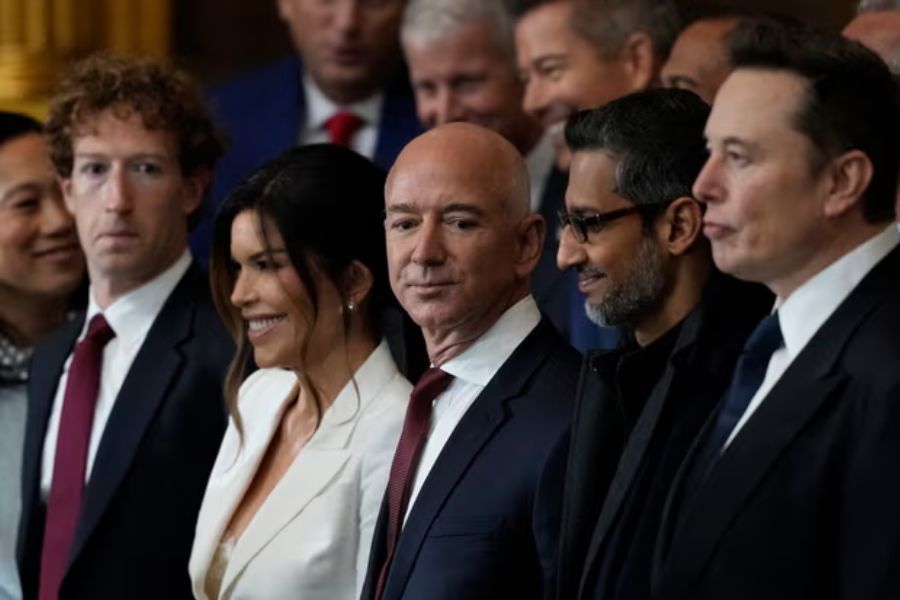
The great corporate pretence is finally over
2024 us election
amazon
donald trump
elon musk
jeff bezos
mark zuckerberg
meta
tech giants
x
From Meta's masculinity pivot to the mass corporate retreat from DEI, flexibility, and parity commitments, 2025 is exposing the friction between corporate values and valuations, revealing what happens when trust is deemed to have outlived its market worth.
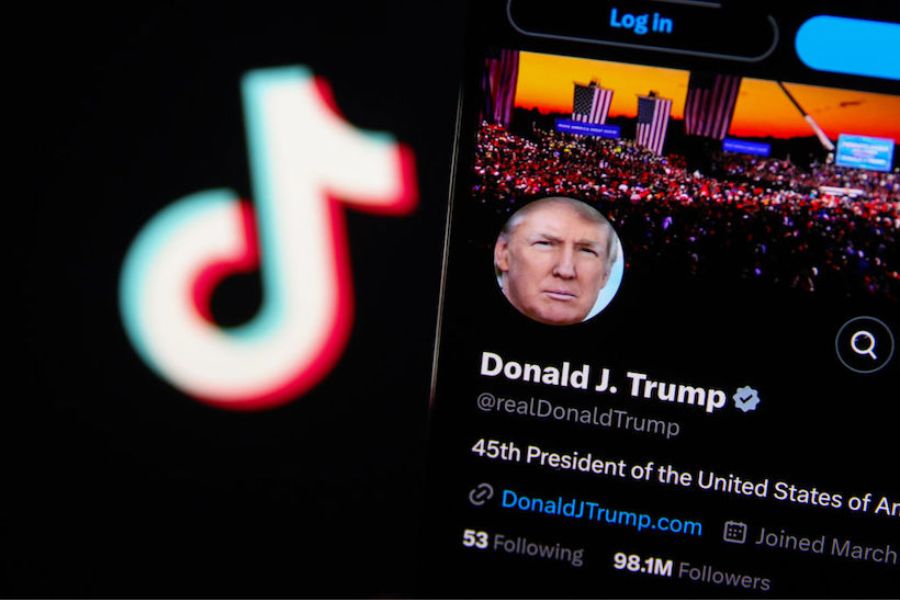
TikTok turns lights back on after assurances from president-elect Donald Trump
bytedance
donald trump
meta
shou zi chew
tik tok ban
us
The Chinese-owned social platform went dark on Saturday night after months of debate with the Supreme Court.
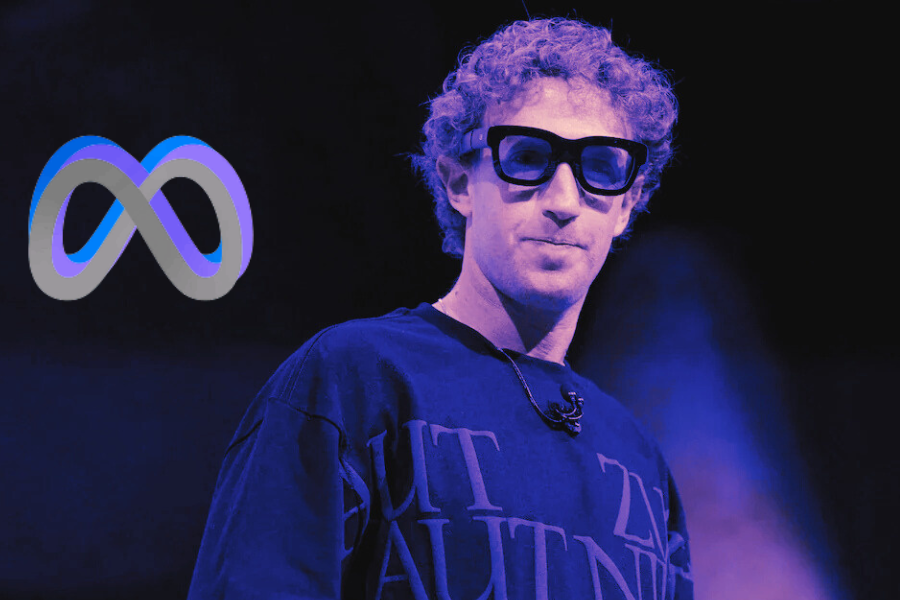
The shocking things you can now say on Meta's platforms
community notes
content moderation
donald trump
fact
hateful content
meta
As per the new policy, it is now okay to call gay and trans people ‘mentally ill’ and refer to women as ‘household objects’ on Facebook and Instagram.

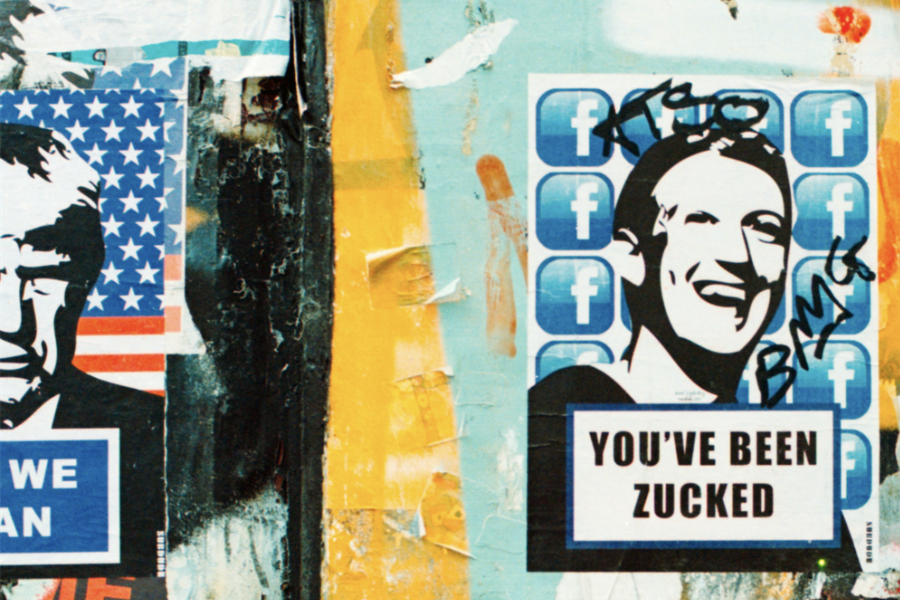
Meta could soon be the largest misinformation platform in the world
donald trump
factchecking
meta
The tech company’s recent changes could result in a surge in unmoderated and unfortunate content, underscoring the need for advertisers to again be mindful about where they spend their dollars, writes Sarah Thompson.
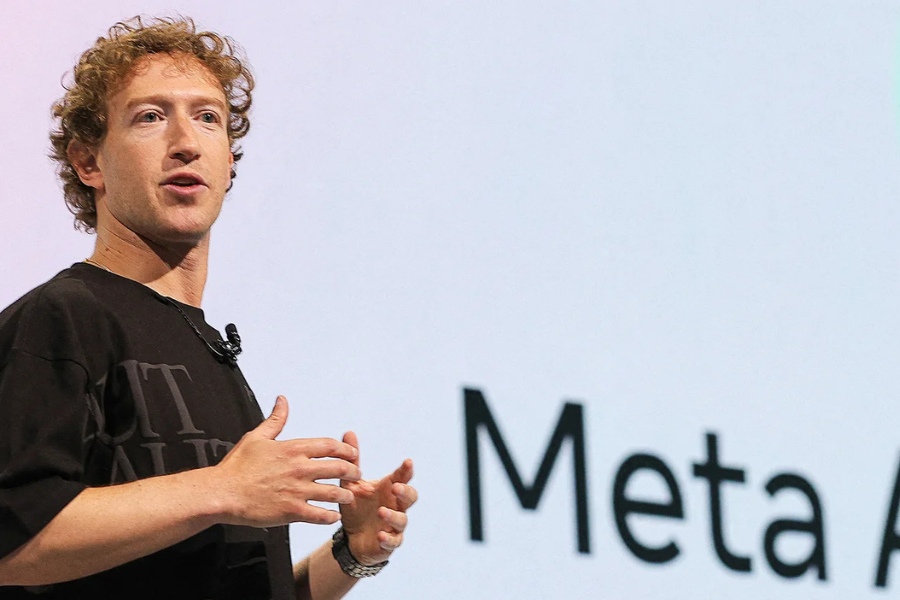
Why Meta’s pivot on fact-checking is the right move
donald trump
facebook
instagram
meta
threads
This course correction is not merely expedient; it’s the right move for Meta, its shareholders, advertisers, and audiences alike, argues Ramakrishnan Raja in his forthright analysis.