
After a 25-year-old autistic man in the Philippines was attacked over noise on a bus, the Jayme HQ has launched a microsite to teach Filipinos about sensory sensitivity and make daily spaces more inclusive.
True
disability
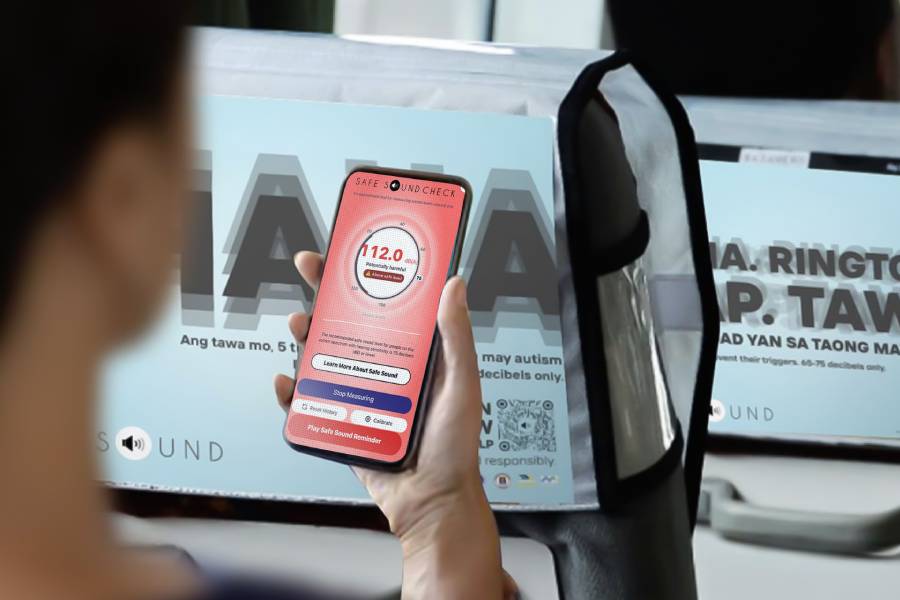
Inside the Philippines’ ‘Safe Sound Check’ campaign for autism inclusion
autism
dei
disability
misfits camp
neurodiversity
safe sound check

Meet the changemakers who are reshaping disability inclusion in advertising
dei
disability
disability pride month
disinfluencer
diversability
diversity
equity
inclusion
inclusively made
Despite the persistent underrepresentation of disabled people in advertising, Campaign spotlights four influential champions who are driving urgent and meaningful change in disability inclusion across media.
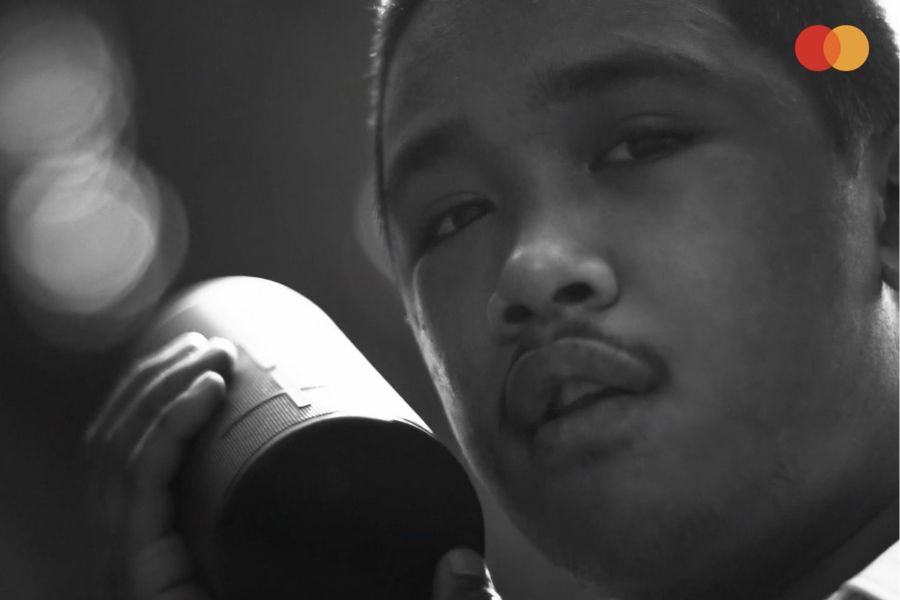
Mastercard highlights value of inclusion in new autism campaign
autism
disability
hsbc
julie nestor
mastercard
McCann Worldgroup
representationmatters
valerie madon
EXCLUSIVE: Mastercard’s Julie Nestor talks about the brand’s #AcceptanceMatters campaign which aims to foster awareness and empathy around invisible disabilities.
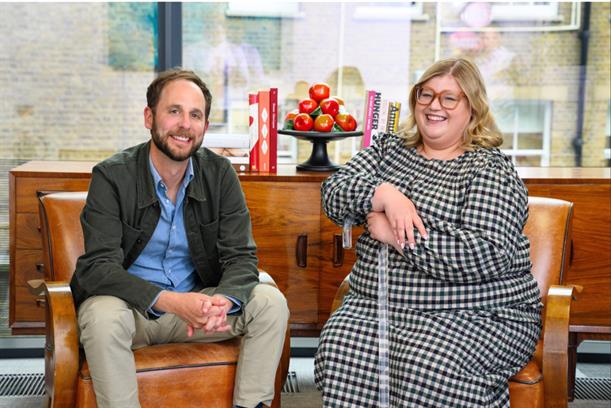
Enjoyed the Paralympics? Keep the spirit alive at work
disability
You can get that Paralympic buzz by helping disabled people arrive and thrive in adland.
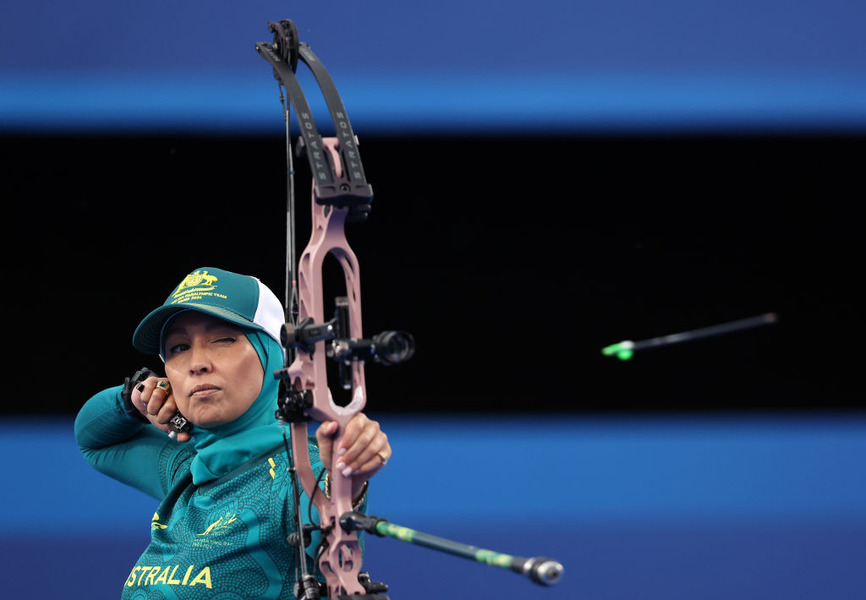
Beyond the Paralympics: The business case for disability representation
dei
disability
diversity
inclusivity
representationmatters
A pattern exists of brands targeting the disabled community during the Paralympics, but ignoring the community afterwards. Campaign explores what it will take for disability inclusion to become a constant in advertising rather than just seasonal.
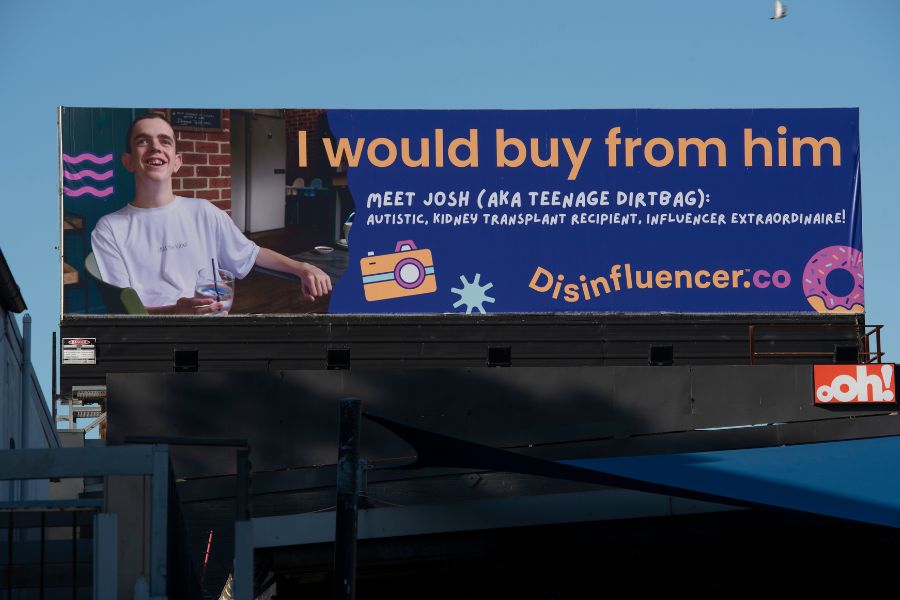
Disinfluencer launches crowdfunded disability campaign in Australia
australia
dei
disability
influencer marketing
The campaign, which was crowdfunded during Disability Pride Month in July, aims to highlight the often overlooked disability community in Australia.
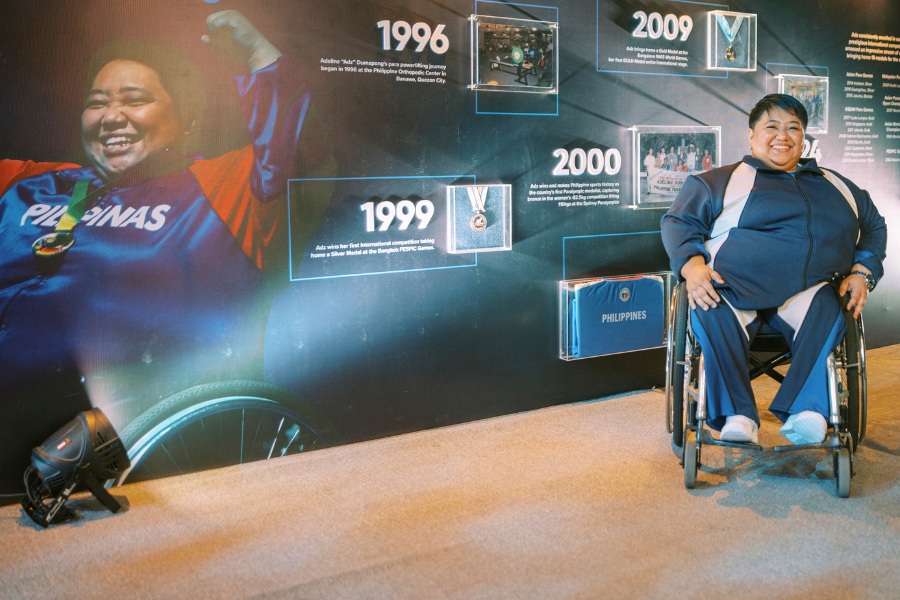
GCash puts disability front and centre in Paralympics campaign
disability
diversity
GCash’s campaign with Filipino Paralympic icon Adeline Dumapong confronts the uncomfortable truth that disability inclusion in advertising must be constant, not seasonal.

Valuable 500 film spotlights disability inclusion with synchronised swimming
dei
disability
inclusion
More than 528 CEOs will gather at SYNC25 in Tokyo to break the silence on disability inclusion and work towards radical change through 'synchronised collective action.'
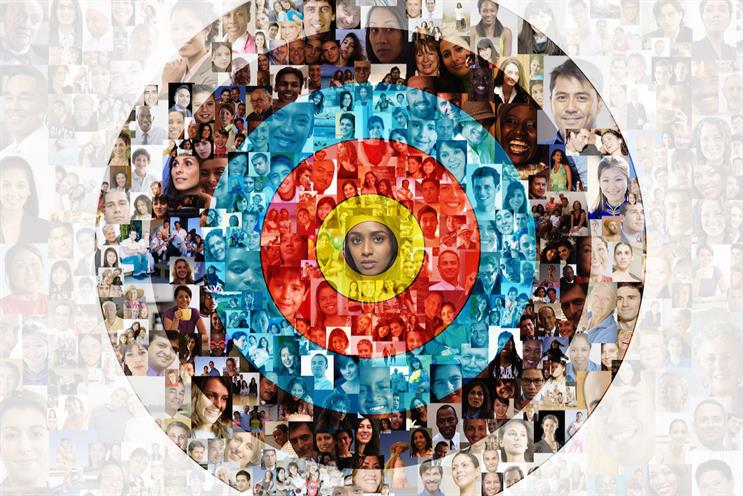
Unstereotype Alliance to assess race, disability and age representation in ads
disability
Unstereotype Alliance to assess race, disability and age representation in ads
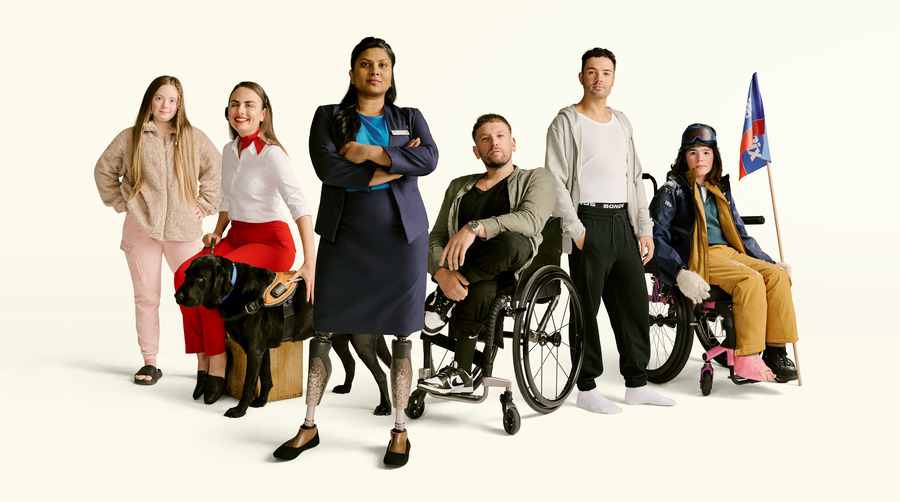
Ignored no more: How the Shift 20 initiative is normalising disabled people in advertising
disability
The initiative launched in Australia aims to shift perceptions of disabled people away from being objects of pity or inspiration, and instead as ordinary people doing ordinary things – eating breakfast, going to work and wearing undies.
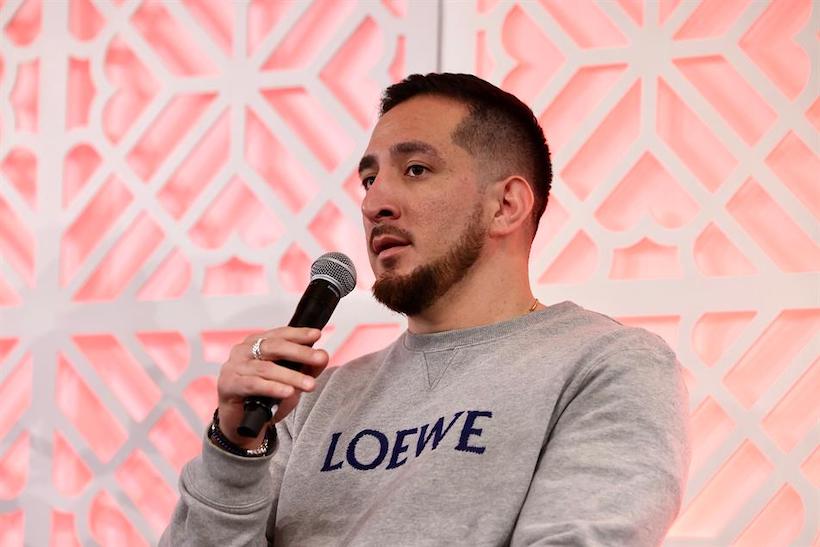
Why every organisation needs a ‘disability guy’
disability
diversity
Authentic representation is important for every company, experts said at PRWeek's PRDecoded Purpose+ conference in the US.
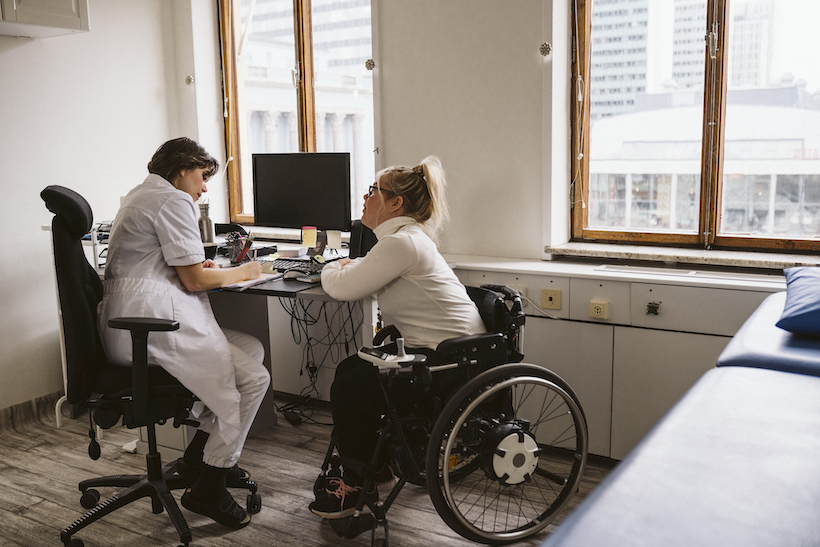
Disability compliance for websites: How to close the gap
dei
disability
Why so many companies are lagging — and how they can catch up.
Second WFA global census shows no improvement on inclusion
dei
disability
diversity
equity
inclusion
mental health
wfa
Follow-up to 2021 survey indicates lack of progress despite increased awareness of issues.
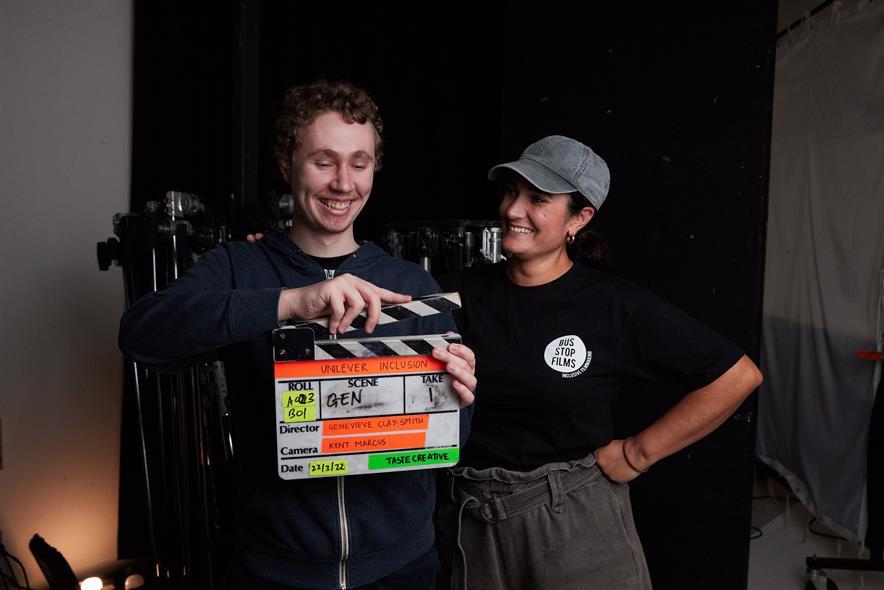
Unilever calls for production crews to be more inclusive of disability community
disability
unilever
For shoots costing more than €100,000 the brand wants to see at least one person who has a disability as a member of the crew.
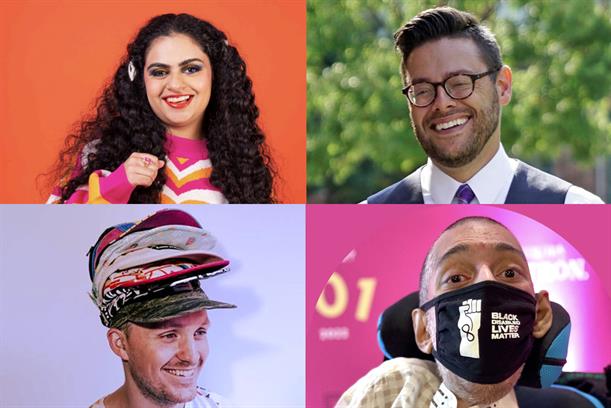
Why is there still such chronic underinvestment in disabled creative talent?
creative
disability
Adland's slow awakening to the commercial benefit of inclusivity feels surprising.

Simple steps can allow everyone to experience your content
disability
Accessibility requirements for social media need to be understood and appreciated across all organisations, not just among content creators
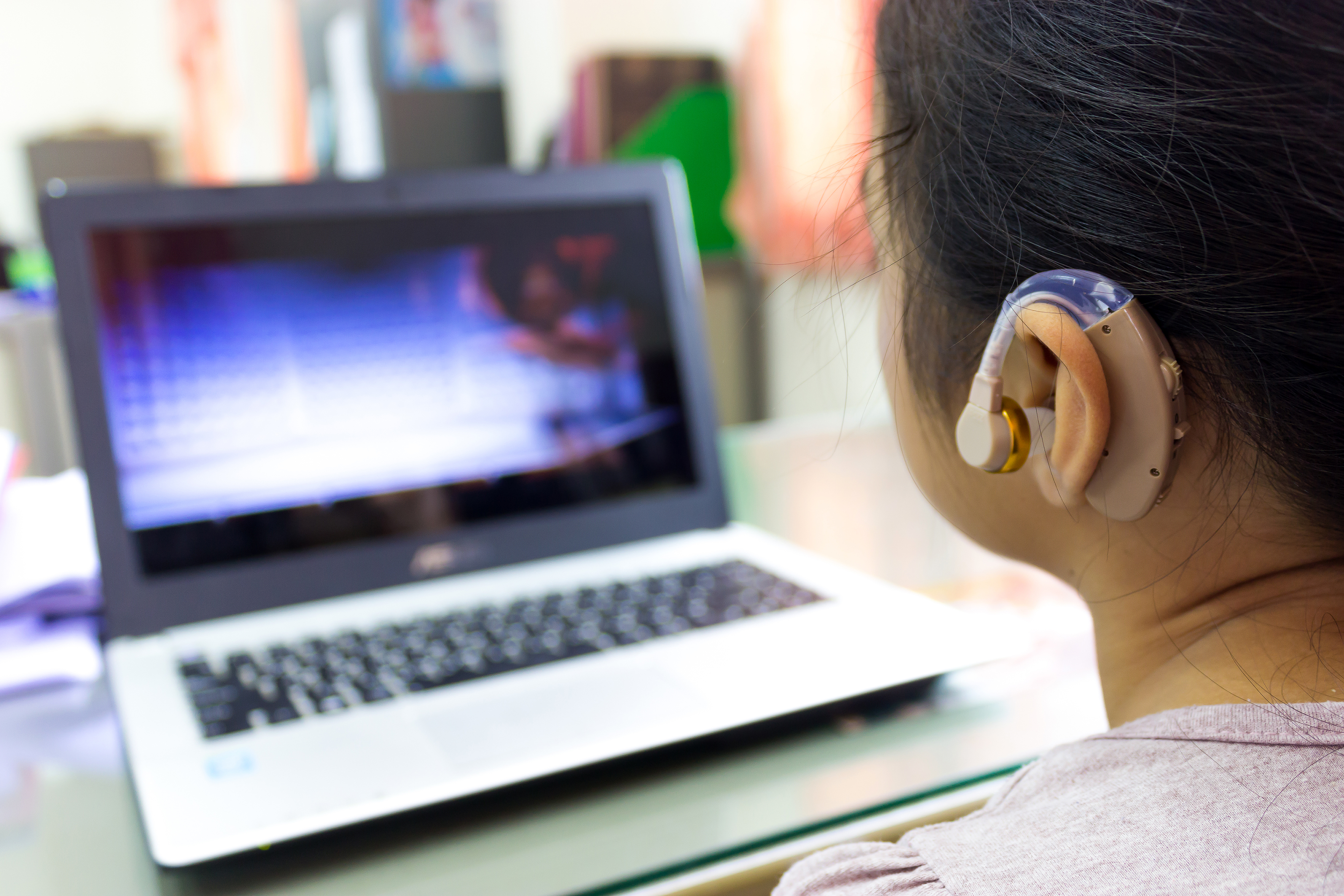
Losing billions: Why are brands still not prioritising digital accessibility?
disability
Inaccessible websites lose $6.9 billion a year to their accessible counterparts, yet digital inclusion remains under-addressed. We look at how brands can benefit from placing accessibility at the heart of their strategy.
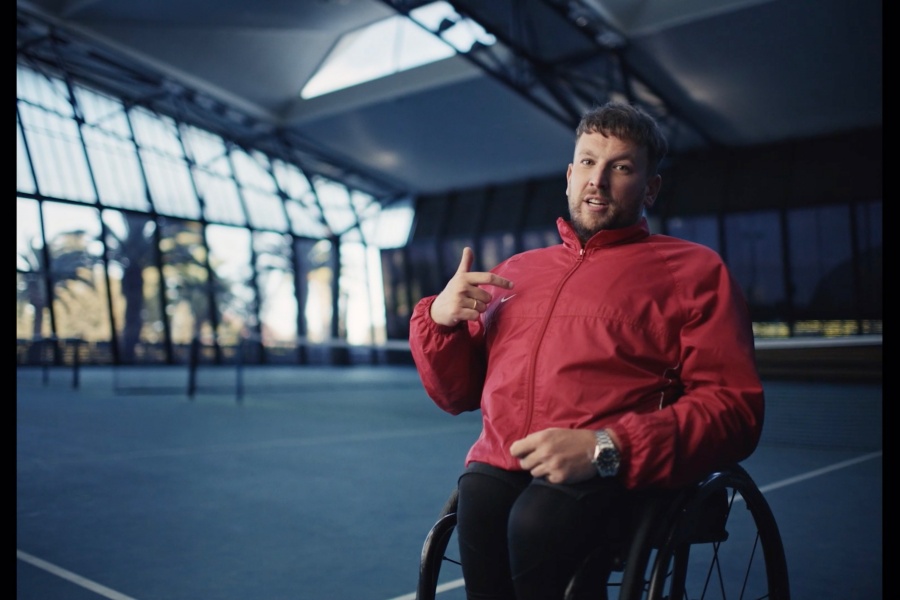
Dylan Alcott says he's 'not done yet' in Rexona campaign
disability
diversity
rexona
unilever
The film marks Unilever’s first-ever production with 100% disability representation.
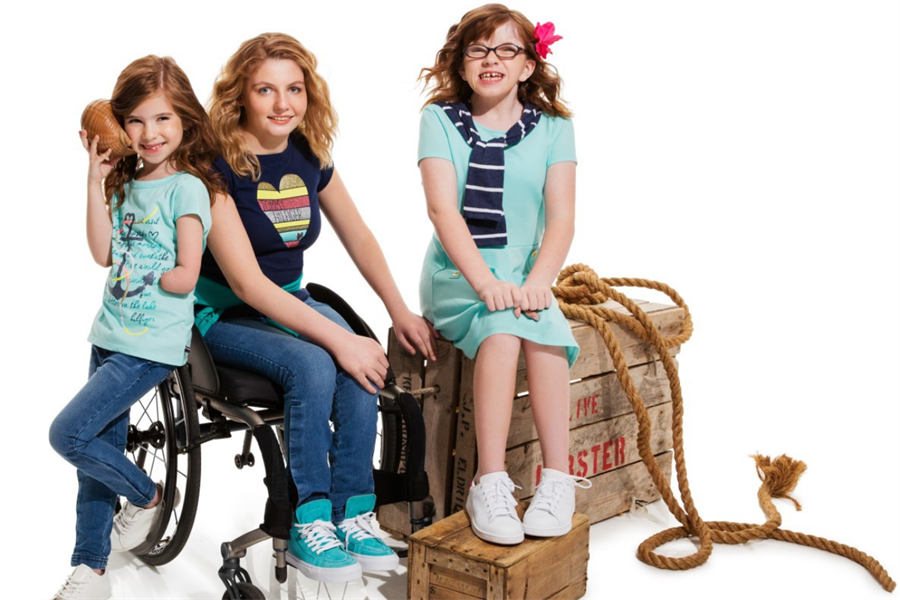
Visibility of disability: Getting the entertainment and ad industry to face up to inclusion
disability
The role that the advertising, TV and entertainment industry can play in building a platform to make the invisible visible is essential.

No ‘diversity’ without disability: why marketing needs to wake up to the world's most underrepresented minority group
advertising
disability
diversity
gender
marketing
The advertising and media industry's diversity drive should also encompass disability, so we explored what work is happening.