Some 90% of brands plan to expand into new markets with significantly different cultures and languages over the next five years, according to Phrase’s 2025 Global Business Case for Expansion study. Yet over half report having already lost business due to poor localisation, while 87% say investing in translation and localisation has directly contributed to successful expansion. The stakes for marketers in Asia have never been higher.
At the All That Matters 2025 conference in Singapore, Heineken’s Gita de Beer and Standard Chartered’s Erica Kerner delivered the same message on cross-cultural marketing: playing it safe isn’t enough. Brands must experiment boldly, take risks, and empower consumers to co-create, or risk losing attention and relevance.
Speaking at the event, Gita de Beer, global director of strategic initiatives & future brands at Heineken, said: “We need to start institutionalising boldness. From the perspective of a big, global FMCG company, we have shareholders, reputation risk, and thousands of stakeholders. But we realised that playing it safe isn’t going to hack it anymore. Consumers’ attention spans are less than a nanosecond, so we’re competing against music, gaming, Netflix, sports, and social media.”
The crowded media landscape has led Heineken to rethink how to effectively reach its consumers. Instead of pushing more directives through its matrix structure, the brewer empowers small, nimble teams. “We create clear guardrails,” she added. “We test and learn, then over time, we're hoping to be faster and bolder decision makers.”
Crucial to this boldness is relinquishing control, something de Beer argued is essential when engaging with fans, creators, and online communities. She cited Crocs as a brand that successfully leaned into its own fandom.
Following several boom-bust cycles, Crocs managed to avoid falling into heavy-handed marketing and instead engaged their consumers online, cultivating a loyal and passionate fanbase who decorate, bejewel, and reinvent its shoes—posting their creations on TikTok and Instagram and cementing the brand as a fashion icon with Gen Z.
“What Crocs did very cleverly is they didn’t interfere. They made a runway for the creators to add back to the brand,” de Beer said. “That's going to be the future, letting go of what you want to control and being brave enough to do that. If fans are going to take over your brand, it's only going to make it more credible.”
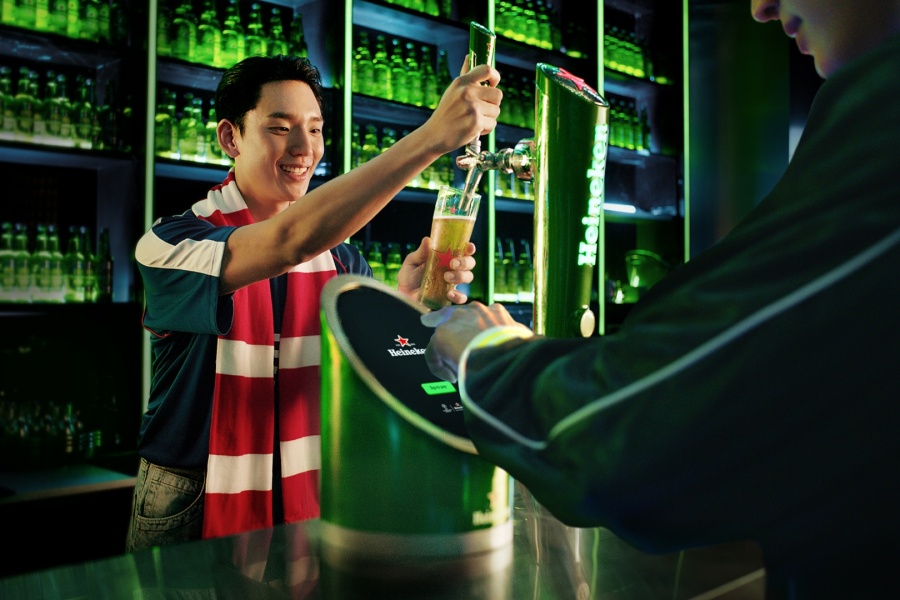
For Heineken, brand rituals are also central to longevity. De Beer explained that building brand equity doesn't come from hacks or quick wins but engaging directly with consumers: “As Les Binet said, it’s about long-term brand building, putting investment behind your brand, and being consistent.”
Risk and authenticity in banking
Kerner, managing director and global head of brand partnerships, sponsorships & events at Standard Chartered, urged marketers not to shy away from risk, even in conservative sectors like banking.
“I started my career at Nike. If it didn’t make you feel uncomfortable, it wasn’t the right campaign—that was what they taught us. I still live by that. If it’s not something that makes me a little worried whether it’s going to move the dial, then it’s probably not aggressive enough. I think we need to take more chances,” said Kerner.
She cited the bank’s Reds Roundtable campaign (below) with Liverpool FC players as an example of authentic engagement. The 25–30 minute videos, produced with a near-invisible crew, allowed athletes to speak candidly and connect with fans, in a way the bank couldn’t reach alone.
The best campaigns, in her view, come from brands handing over creative control to others. “In a way, we’re turning our brand over to the athletes to talk about things that matter. It opens our brand and our bank to fans around the world that we’d never reach on our own.”
And if marketers think they can keep consumers engaged by sticking to the safe playbook? De Beer’s verdict was blunt: “You will lose attention, and you will lose the customer.”
Kerner was no less emphatic. “Don’t be afraid to fail,” she said, adding, “You can’t be afraid to go to your boardroom and have those tough conversations. So how do you get your board to make those tough choices? It has to start with us.”