Asia is home to some of the longest life expectancies in the world. Yet, a new survey from Manulife reveals a shift in how people across the region view longevity. According to the survey, 62% of people in Asia now value maintaining financial, physical, and mental freedom higher than simply living longer, which only 8% prioritised.
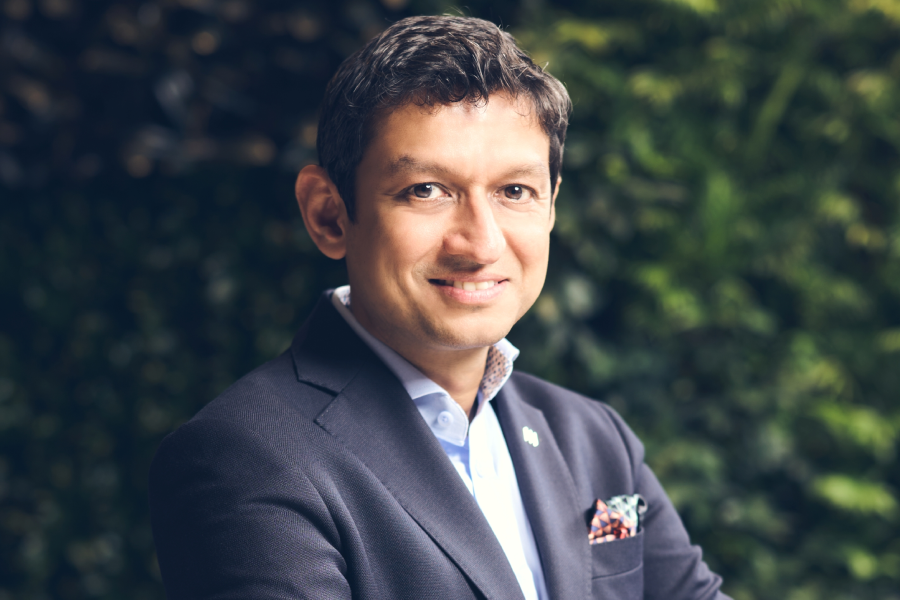
Despite this, life expectancy across Asia has risen from an average of 75 to 79 years, a four-year increase. Harshal Shah, chief marketing and experience design officer for Manulife Asia, explains that as people recognise the rising cost and inflationary pressures associated with early retirement, they are compelled to adapt their approach. "So what do they do? Living healthier, better, and worry-free requires smart financial acumen plus knowing how to administer it," he says.
Reflecting this mindset, Manulife is refocusing its messaging and marketing priorities to talk about the quality of life and independence, rather than solely longevity. However, despite this shift in consumer focus, insurance adoption across APAC remains relatively low.
In mature markets such as Hong Kong and Macau, insurance penetration rates hover around 19–20%. In emerging markets such as India, the Philippines, Indonesia, and Vietnam, the rate is typically 2–5%. Barriers include affordability, limited disposable income, and a lingering taboo around insurance, which is often linked to death and ageing.
Start young
Manulife is investing in early financial literacy through school and community partnerships. Its Peso Smart programme in the Philippines began in 2017 as financial literacy classes for elementary school students and has since expanded to universities, teachers, and parents. More than 400 learners have graduated.
“It focuses on building savings habits early by partnering with schools and communities,” says Shah. The initiative is now being adapted for other markets such as Malaysia.
“It focuses on building savings habits early by partnering with schools and communities,” says Shah. The initiative is now being adapted for other markets such as Malaysia.
He stresses that an early start matters, especially with insurance. "Sadly, financial literacy doesn't get taught in schools anymore," he says. "People often start too late. Insurance, for example, is cheapest at 25 years old because you are healthier and have no past incidents, so premiums are lower. Early start builds long-term financial journeys aligned with life stages."
Yet affordability remains a major hurdle. 62% of uninsured people in Hong Kong cite cost as the main barrier. For young adults, premiums can feel like a heavy burden, especially with decades of payments ahead.
Shah acknowledges these perceptions but argues that the key is openness. “Listening to consumers’ fears, family situations, and financial realities lets us design holistic solutions that match needs, instead of pushing generic products,” he says.
In addition to the cost barrier, insurance is often seen as expensive, confusing and even exploitative. Complexity and lack of transparency create consumer confusion and mistrust, limiting uptake even when awareness exists.
"Beyond just marketing messages, the key lies in truly listening to consumers and understanding their fears, family situations, and financial realities," says Shah. "It's this deep connection that allows us to tailor holistic insurance solutions that match individual needs rather than pushing generic products."
Shah emphasises that one-way communication isn't enough and that marketing alone can't bridge the gap of mistrust and scepticism that many have around insurance. "It’s about building trusted advisor relationships supported by continuous education, personalised solutions, and transparent communication to make insurance accessible, understandable, and relevant to everyday lives.".
When asked about the biggest opportunities for marketers in health and finance amid changing attitudes on longevity and money, Shah stresses the importance of listening. "The first thing is marketers don’t listen enough," he explains. "It starts with corporations and marketers listening to what people say and connecting at the core insights level. Our latest Asia Care survey is a bedrock for our product propositions, value propositions for distributors and customers, and education to consumers directly."
Tools supporting these efforts have advanced rapidly in recent years. Manulife leverages social media, targeted voice ads, blogs, and AI-powered tools that enable advisors with tailored scripts drawn from customer data. But questions remain around whether consumers trust AI to guide something as sensitive as financial planning.
Salesforce’s Connected Financial Services Report 2025, surveying financial consumers including 500 in Singapore, found that while 54% of consumers overall trust AI agents in financial services, only 10% completely trust them. Ultimately, consumers fear misuse or mishandling of their personal information, with 84% saying they would switch providers if they felt their data was not handled properly.
However, Shah stresses that human oversight remains vital. "AI supports advisors, it doesn't replace them," Shah clarifies. "Customisation, personalisation, and localisation are bedrocks of our approach, driven by survey insights."
Currently, Manulife uses AI to assist advisors by quickly analysing market changes, such as interest rate adjustments, a process that previously demanded extensive research. "This shows our dedication to digital customer leadership," Shah says. Internally, AI analyses customer data and interactions to generate personalised scripts that advisors deliver in humanised conversations. "People fear what they don't know or what’s done without their knowledge. We're clear that AI-generated personalised scripts are based on scientific modelling approved by standards, enabling advisors to communicate insurance needs effectively."
Proactive action on health and wealth needed to safeguard long-term wellbeing
The survey also uncovered a gap between perceived and actual health behaviours. While 62% believe they are taking sufficient preventative actions, less than half focus on core activities like maintaining a healthy weight, stress reduction, and adequate sleep. Even fewer monitor vital health signals such as mobility and muscle strength, highlighting an opportunity to enhance knowledge and motivation around preventive health.
"Small lifestyle changes have big health effects," Shah says. He cites his personal commitment to improving sleep despite a challenging schedule as part of Manulife’s internal 'Live Better' campaign. "It’s about picking one habit and making it appropriate, then sustaining it. That support ecosystem is powerful."
Complementing lifestyle efforts, Manulife Singapore has partnered with AMILI, a microbiome insight company, introducing breakthrough technology available for the first time through a life insurer in Singapore. The company also collaborates with Guardant Health to provide customers with access to advanced liquid biopsy tests for early cancer detection.
Investment critical to financial freedom and long-term independent living
On the financial front, the survey reveals that 43% of respondents believe they will lack sufficient funds for their older years. This concern is highest in Japan (77%), followed by Singapore (43%), mainland China (27%), and Vietnam (15%). Many feel unprepared for retirement and hesitant to invest beyond cash savings.
Shah acknowledges Asia’s dominant savings culture with half the assets held in cash, much higher than in North America, limiting potential earnings but reflecting prudent behaviour. "We focus heavily on education and professional advice, integrating protection elements banks cannot offer, reassuring customers that their families are protected if unforeseen events occur," he says.

Confidence in retirement planning is significantly strengthened by having access to a financial planner, with 74% of those engaging professionals feeling prepared, compared to only 40% without such support. "Trust is key," Shah stresses. "Consumers must feel advisors have the right intent and are not just pushing products. With personalised need assessments, understanding family situations and fears, advisors offer holistic options balancing debt, equity, investments, and protection to provide security."
One of the region’s greatest challenges is striking a balance between market-specific tailoring and brand consistency. Manulife’s brand platform, 'partnering for progress', aims to inspire consumer questions while partnering with distributors to provide tailored solutions and support throughout the customer journey, from onboarding to claims to maturity.
"In mature markets like Japan, Hong Kong, and Singapore, where retirement and wealth management needs are established, we offer affordable, comprehensive solutions. Basic needs are largely met there," Shah explains. "In emerging markets, the focus is on education and awareness of insurance value. The trade-off is often between consumer items and insurance premiums."
A unifying theme across markets is longevity viewed through the entire lifespan, addressing ageing populations, new generations, and shifting mindsets. For instance, in Japan, campaigns feature seniors reinventing themselves with new professions and steady income, inspiring others to realise age is no barrier.
Standing out
In crowded and saturated markets such as Hong Kong, standing out requires genuine innovation and purposeful differentiation. Yet Shah says the company’s focus goes beyond merely competing for rank; it's about unlocking untapped customer needs through continuous reinvention and authentic partnership. "We aim to be the number one choice for customers by continually reinventing ourselves and partnering with them to progress together," says Shah. "Standing out in the market requires considerable effort, particularly in the middle and back office operations, and that is where we distinguish ourselves."
However, at the same time, he admits there is an inherent challenge when it comes to insurance marketing: "People don’t wake up wanting insurance. People want Coke, credit cards, but insurance is often a last choice. But it’s a fascinating product line with age-old challenges and we are reinventing how products are delivered."