https://www.independent.co.uk/life-style/elf-cosmetic-matt-rife-advertisement-b2807811.html
To mark this year’s International Women’s Day, I would like to pose a question: how are some brands still getting marketing to women so bloody wrong?
A few recent examples: American Eagle and Sydney Sweeney (haven’t we moved past telling women there’s a right way to look?). Elf (a brand I would normally say gets this right) casting Matt Rife, who has previously made jokes about domestic violence. M&S, called out by the ASA for using “unhealthily thin” models – a backwards step for body positivity. Frida Baby, a brand targeting mums, currently under fire for sexualising children on its packaging (seriously, wtf?).
And then there was Sky Sports’ short-lived TikTok channel, Halo. The pink and peach “little sister” to the main channel, complete with “hot girl walks” and matcha references, so us “girlies” could finally understand sport. Even though 72% of us globally are already avid fans.
I’m sure none of those brands had bad intentions. But there’s always the same root problem when things go wrong: brands not understanding or knowing how to speak to real women.
Instead, they speak to a demographic and act like we’re all the same. It’s insane. No wonder 68% of women don’t feel confident or empowered by the way marketing portrays them.
Real women are just that. Fucking real. We aren’t all the same. We don’t all like the same things. So why does our industry continue to pigeon-hole, stereotype and appropriate the same tired tropes?
Women are complex (shocking, I know)
Women’s sport is a perfect example of where female complexity gets flattened.
2025 was an incredible year for women’s sport. Brands rushed in with the usual creative shorthand: strength, power, badass energy. And yes, female athletes have all those things. But if you actually ask what those athletes need, you learn an enormous amount.
You hear about the very real impact of menstrual cycles, often overlooked when it comes to how and when they train. You hear about the need for year-round investment and fair pay. You hear a desire to be recognised as full human beings, not one-dimensional symbols of empowerment.
A woman can play elite rugby and wear make-up (as Clinique and Maybelline have recognised). She can be fiercely competitive and deeply funny. She can be strong and soft and ambitious and exhausted, often all in the same week.
When we created the “Vulva therapy” campaign with Luna Daily, navigating those nuances was genuinely the most critical part of the job. Most women (myself included) never use the word “vulva”. And because of the stigma surrounding that very normal part of our bodies, one in three women was missing their cervical screening.
The goal was to empower women to get more comfortable with the word, but we also had to ensure we didn’t accidentally shame them, like it’s another bloody thing that women don’t do right. So we stress-tested everything. Every word, line and visual.
In the end, we found humour was the answer. It had to be funny, not preachy. And bar one overturned ASA complaint around the word itself (which, let’s face it, was kinda the point), we had a great response.
Which brings me to something the industry still seems to forget: not every women-focused campaign has to be a stoic, humourless battle cry. We’re not always out burning our bras; sometimes, we actually like a laugh (women are funny, what a concept).
LinkedIn hated Gap’s “Better in denim” campaign with Katseye last year, but as I wrote in Campaign, I loved it. It was fun and entertaining. No, it didn’t smash any glass ceilings, but women spoke about it, learned the dance, played the track… and even bought the jeans.
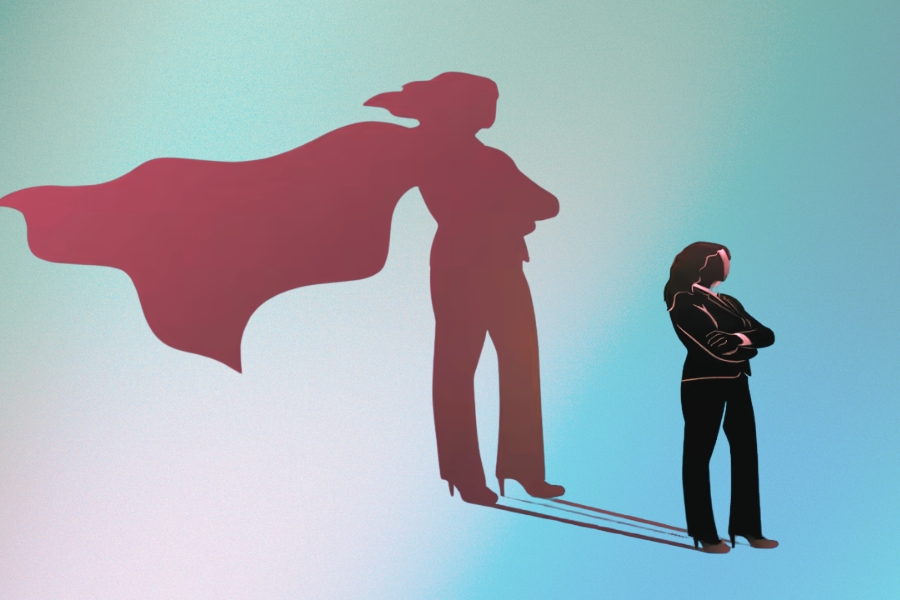
And in fact, while we’re here, can we please retire “girlboss” and “superwoman”? Don’t try to flatter us without helping. Yes, I look at my friends and I see superwomen, but I don’t want some faceless brand telling me that. They don’t get it. If they did, they wouldn’t be celebrating the mental load put on women every day. They’d be helping to ease it.
We need to listen. Properly
All in all, it still feels like a lot of marketing is made about women, not with them. Marketing should always be audience-first, never assumption-first.
Earlier in my career, working in women’s magazines, we had no choice but to listen constantly. What were readers worried about? Laughing at? Rolling their eyes in response to? We had to deeply understand the similarities and differences between them, and brands need that same curiosity now.
Talk to your mums, sisters, daughters, and colleagues. Talk to the real women you want to engage. If you’re not listening, you’re projecting, and projection is where most of this goes wrong.
Skims is driving culture right now, and though it doesn’t speak to every woman, it knows its audience and stays authentic to it. Nike’s brilliant “You can’t. So win” campaign demonstrated expert understanding of the put-downs female athletes constantly hear.
And though it defies belief that this still needs to be said, the answer is never to take the male playbook and “pink it and shrink it”. I’ll never forget a meeting I had with one high-street bank that wanted to address the investment gap by dumbing it down, as finance is “too complicated for women”. The campaign it ended up making was, not surprisingly, not well received. Alas…
So, what needs to change?
Let’s bring this back to this year’s IWD theme, Give to Gain. It’s time for brands to give women the time, attention and care needed to gain work that actually resonates. Because if you want women to be loyal to you, you need to be loyal to them.
Stop seeing women as a neat little segment. We’re half the population and infinitely varied. Listen, be honest, use humour and don’t stereotype.
And for the love of life, please leave girlboss, superwomen and all other empty platitudes at the door.
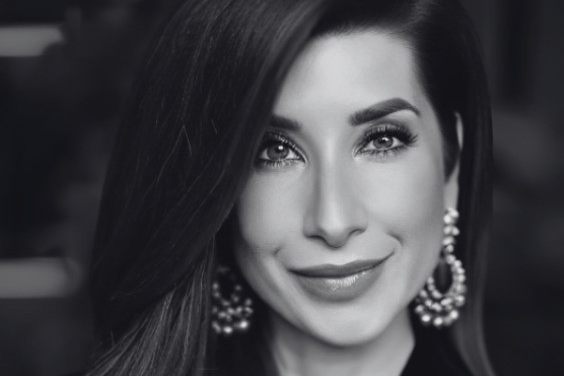
Kirsty Hathaway is executive creative director at Joan London
Source: Campaign UK