| In Creative Minds, we ask APAC creatives a long list of questions, from serious to silly, and ask them to pick 11 to answer. (Why 11? Just because.) Want to be featured? |
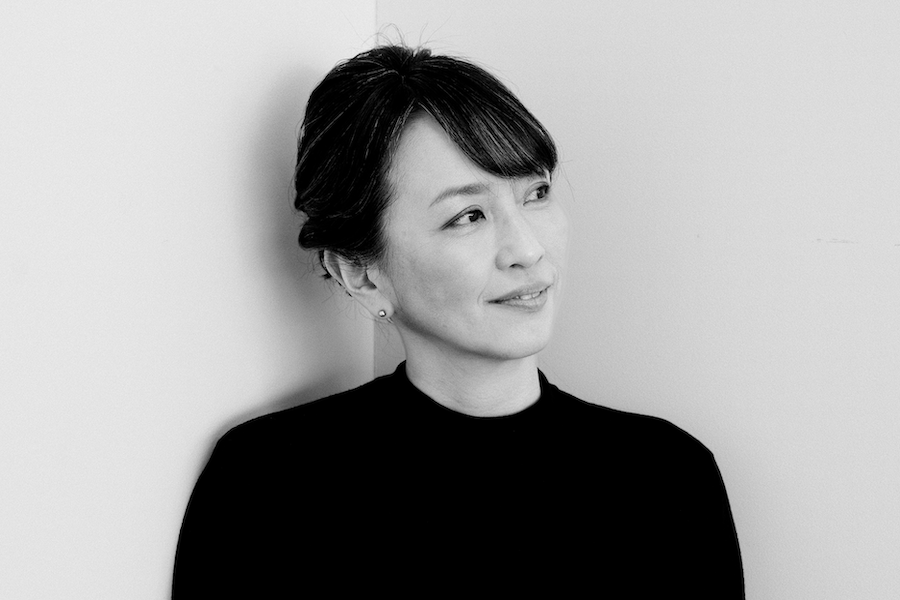
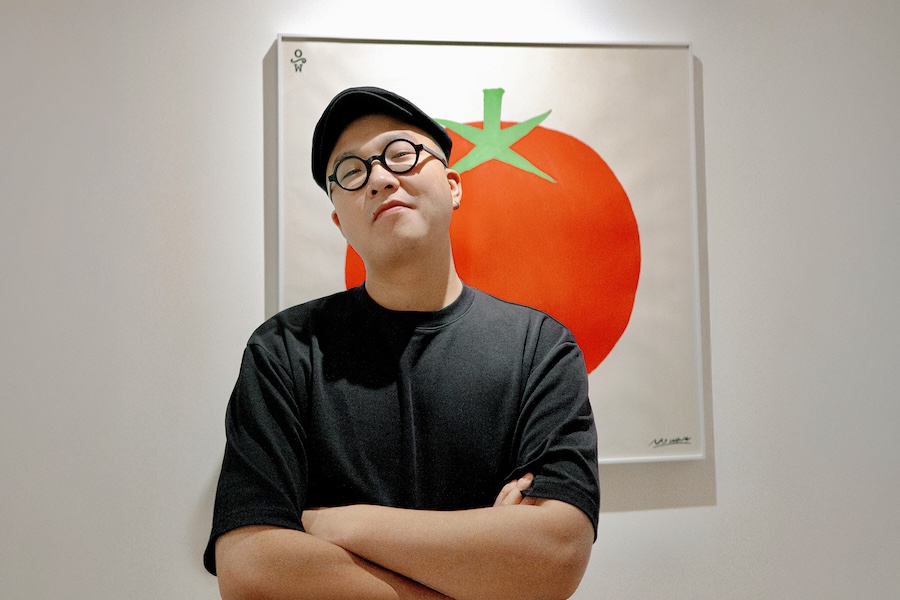
Name: Bobo Wu
Origin: Hefei, China
Places
lived/worked: Shanghai, China
Pronouns: He/him
CV:
Creative partner, The 25s (2022-present)
Holmes & Marchant, design specialist (2019-2022)
Group
head, D&S Midea Group (2015-2019)
Art
director, SunSon, (2013-2015)
Designer, GoldenOrange (2012-2013)
1. How did you end up being a creative?
I spent almost all my childhood weekends in crowded art studios. Art education back then was quite rigid, but I always liked drawing tricky perspectives or exaggerated compositions to attract attention. I would also study artists’ signatures and then design my own, writing my name differently based on each painting’s layout. That feeling brought me so much joy—it made me feel like a great artist too! Looking back now, I think that’s when the dream of graphic design first started to solidify in my mind. It wasn’t until my internship near the end of university that I designed two posters and unexpectedly won two gold awards at the local advertising festival. It was such a surprise and gave me a huge boost of confidence! Eventually, I decided to move to Shanghai and officially begin my creative career.
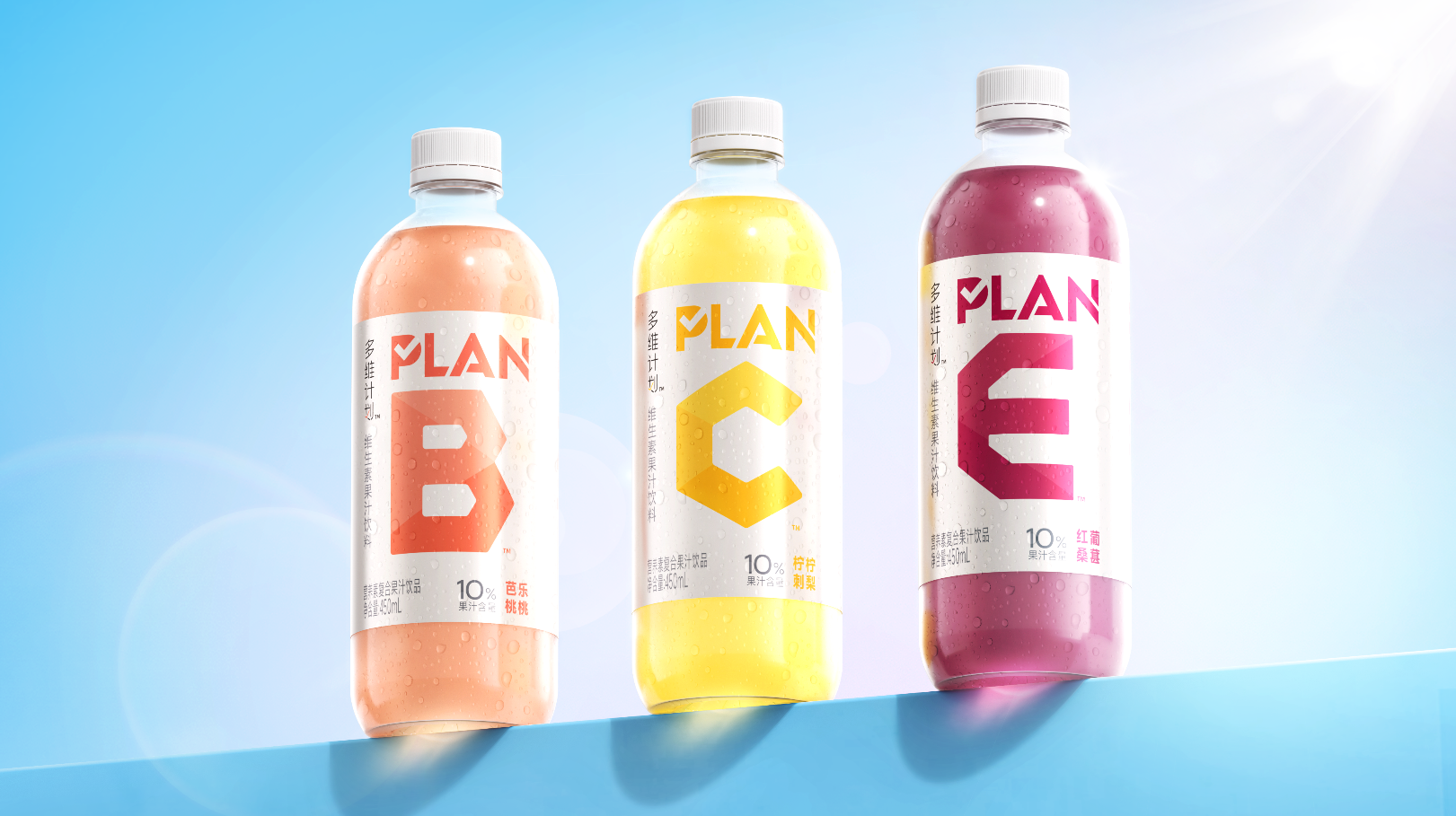
The Plan for Master Kong. This whole concept—what we call 'The Multi-Dimension Plan'— came out of countless rounds of co-creation with the team. We kept building, breaking, and rebuilding the idea until it finally felt right. We didn’t want to follow the usual “energy boost” or “functional supplement” story that most drinks rely on. We wanted this Master Kong product’s vitamin intake to feel lighter, more modern, and genuinely connected to how young professionals and active people live today.
The idea of a “plan” came naturally, because life isn’t just Plan A anymore. Vitamins B, C, and E became our way of expressing those daily switches, resets, and rebalances. On pack, we turned the letters into bold geometric forms and paired them with high-purity colours so each variant instantly gives off its own emotional cue. With clean layouts and plenty of breathing room, the design lets people read the function and feel the vibe at a glance. In the end, it’s not just a set of drinks — it’s a lifestyle code that shifts with you throughout the day.

Japanese designer Shun Sasaki’s HUM人N. It’s cool how he builds concepts through variations in form rather than relying on complex narratives or storytelling. His handling of proportion and negative space might be simple and visually restrained, but every gap and every misalignment continuously creates tension, keeping the image in a state of constant imbalance. This restrained yet highly structured, disciplined approach gives the work a strong graphic quality without becoming merely decorative.
For me, this sense of positioning, this constant exploration of the boundaries between art and design, comes together to depict an intensely creative mindset I deeply respect and aspire to.
4. What kind of student were you?
My personality is generally quite well-behaved, but I really didn’t like studying. I loved to play around, often zoned out in class, and my grades were pretty terrible. In middle school, I almost became a bit of a problem student, to the point where my family started to worry about my future. Luckily, I loved art and was always reading books. Those two habits helped me get through my school years and eventually led me to discover design.
5. What’s the craziest thing you’ve ever done?
When I was younger, I once worked continuously for 32 hours without any sleep. This happened in my second year of work, when I suddenly received a pitch project. I was very young and extremely competitive, and I pushed through 32 hours of high-intensity work. In the end, I still lost the pitch! Looking back now, it was rather foolish and really harmful to my health—I’d never do that again! Thankfully, my agency now has a good work–life balance.
6. What’s on your bucket list?
I want to make a movie! I’ve always been into brainstorming scripts, but I’ve never actually gone ahead with anything. I keep thinking I should wait until I have enough time and everything is ready... then a few days pass and I forget about it—until I remember again, and the cycle repeats, haha. If I ever get the chance in the future, I’d definitely love to be part of making a film.
7. Who do you admire the most?
My wife. No matter how big the problem is, she just needs one good sleep and everything is forgotten the next day. Whenever I go through something painful, I try her method, and I find it actually works.
8. What did you think you would become when you were a child?
A painter or music producer.
9. Do you work more efficiently under pressure or when you’re calm?
For me, absolute calm and relaxation is my creative comfort zone. If I work under pressure, I might unconsciously start looking for shortcuts or relying on past experiences to think through problems, which is not ideal. But of course, it also depends on the task. If it’s boring work, pressure actually makes me more efficient because I just want to get it over with.
10. If you could advise your 10-year-old self, what would it be?
Work up the courage to ask your family for pocket money. (Because I barely ever touched it growing up.)
11. What movie will you never get tired of?
Interstellar by Christopher Nolan. I’ve watched it many, many times, and every time I finish it, it’s like I’ve been spiritually cleansed. It’s truly shocking and moving. Nolan is a genius!
Source: Campaign Asia-Pacific