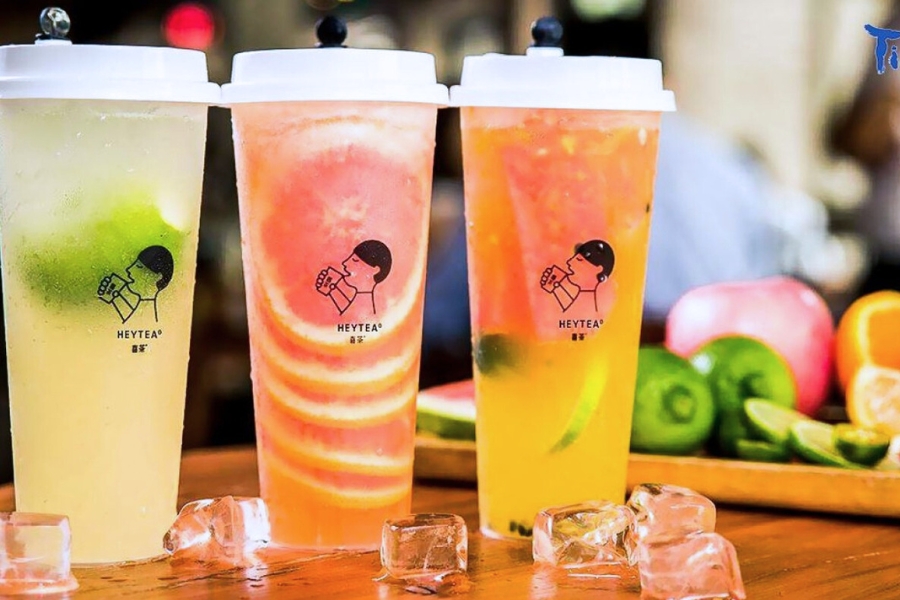
Heytea helped define China’s modern tea boom. Launched from an alleyway stall in 2012, the brand popularised cheese tea and built a reputation for design-led, real-ingredient drinks that reset expectations in a crowded category. By 2025, it had grown to more than 4,000 stores across eight countries.
Once positioned as a premium tea brand, Heytea turned to franchising and price cuts to chase mass-market growth, only to face quality control issues and oversaturation complaints from netizens about inconsistent stores clustered too closely together.
Last year's pivot saw Heytea issue two internal letters rejecting the 'numbers game' and 'involution' (内卷), competition for competition's sake, urging a return to user focus and brand differentiation. Despite this, the brand launched Heytea Mini, a lower-priced sub-brand, while accelerating global expansion with 100+ stores across Asia, Europe, and North America, tailoring drinks for local palates.
Campaign Asia-Pacific asked four experts whether Heytea can balance accessibility and premium positioning amid domestic pressures and price wars. And will international growth offset China's quality challenges?
 Ashley Dudarenok
Founder & managing director Chozan
Heytea fell into the classic premium trap, building a killer 'Starbucks of tea' image, then slashing prices to battle low-cost rivals like Mixue amid economic squeeze, diluting their credential.
Their anti-involution U-turn is the real story, publicly halting price wars and reinvesting in high-concept stores, genuine innovation like health-focused teas, and savvy cultural collabs to reclaim premium status.
Global expansion isn't a quick China fix but a smart halo play. Flagships in New York or Tokyo boost domestic prestige, reinforcing aspirational appeal back home without relying on short-term revenue offsets.
Success hinges on three disciplined moves: elevating in-store experiences as destinations again, driving truly differentiated products, and building cultural capital that outshines gimmicks.
Humphrey Ho
CEO of Helios & Partners
QSR consumers there are numb to $5 RMB drinks and endless delivery vouchers. What really sets brands apart is cultural pull through celeb collabs or IP, plus fan rituals that competitors like Chagee nail with slick packaging and storefronts despite matching prices.
Global expansion to 100+ stores abroad isn’t just a band-aid for squeezed domestic margins, it’s a lifeline, tapping diaspora buzz on TikTok and China’s mobile-first edge over clunky Western giants like Starbucks.
The luxury-to-accessible pivot can work by holding the emotional high ground: luxe packaging, smart collabs and store vibes keep the premium feel alive, even with heavy couponing. But it risks financial ruin, like Burger King’s exit or Starbucks’ private equity bailout, leaving HeyTea stuck in Chagee’s price turf if the “brand look” slips.
Outlook’s promising if they nail contactless, innovation-stacked walk-in retail overseas, especially cracking grocery store partnerships for steady footfall à la Starbucks. Key threats: Chagee and Coco scaling fast abroad, plus cheap fruit-drink upstarts undercutting boba everywhere.
Arnold Ma
CEO/founder Qumin
CEO/founder Qumin
The topic of 'Heytea bids farewell to 30 yuan' even became a trending topic, firing the first shot in the price war of the new tea beverage industry.
The entire industry followed suit, with Nayuki, Chabaidao, and Hushang Ayi all offering increasingly lower prices.
Heytea’s current reset suggests the brand recognises a hard truth: premium perception in China is fragile, but not permanently lost. Chinese consumers are pragmatic rather than sentimental. They will forgive strategic mistakes if quality, consistency, and intent are visibly corrected.
Heytea’s earlier price cuts eroded its craft cred, store consistency and user focus, and its current anti-involution stance is damage control. To rebuild domestically and globally, it needs tighter store planning for better economics, reposition “accessible” as smart value through proven craftsmanship, and lead culturally via aesthetics and storytelling rather than gimmicks. Global expansion offers breathing room with less saturation, but won’t quickly offset China losses amid mid-tier rivals, spending fatigue and execution risks.
 Jolin Guan
Associate partner, Prophet
Heytea had previously reinforced emotional value, particularly status, through innovative signature drinks like cheese tea, paired with premium pricing that strengthened its upscale image. Yet its recent strategic adjustments put emotional equity under pressure: while they aligned with short-term market sentiment, they diluted the brand’s established premium perception. Meanwhile, category homogenisation accelerated. Once cheese tea became an industry standard, Heytea did not sufficiently reinforce Identity-driven emotional value through cultural storytelling, collaborations, or health-oriented concepts. Instead, it became pulled into the industry’s broader price competition.
We believe Heytea’s 2025 decision to suspend franchising and close selected stores reflects a deliberate re-anchoring of its ambition to become Asia’s leading modern tea brand. To rebuild and sustain a premium position, Heytea must strengthen all four value levers: Quality, Innovation, Status, and Identity. In the near term, strengthening quality control is essential to restoring consumer confidence. Looking ahead, tapping into new value territories such as health and culture will enrich the brand experience and position HeyTea for more sustainable, long-term growth.
Note: The quotes have been edited for brevity and clarity.
|
This post is filed under... Brand Health Check: We assess and (if necessary) solicit suggested remedies |