October 1998...
The inaugural Electronic Book Conference is held, featuring the world’s first e-book readers - SoftBook Press’s SoftBook and NuvoMedia’s Rocket eBook. The new gadgets provide 4,000 pages of storage (about 10 books’ worth of material) and five hours of battery life. Each weighs three pounds and costs roughly US$500. The SoftBook uses a phone jack to download books from its SoftBook-store.
November 2007...
Though e-readers have been on the market for nearly a decade, it isn’t until 2007 that buyers catch onto the trend, thanks to the debut of Amazon.com’s Kindle. Slow sales previously prevented the e-reader from fulfiling its game-changing destiny. With Amazon’s initial 88,000 books available for download, it takes only five and a half hours after its US debut for the Kindle device to sell out at $400 a piece. Among attributes that draw such attention is its capacity for 200 books and its electronic newspaper.
Here are five things you should know about the Apple Ipad.
This article was originally published in the 28 January 2010 issue of Media.
October 2009...
After nearly a year, the Kindle makes its international debut. It can now be bought in 100 countries for a price of $279. This is $20 more than the e-reader sells for in its native United States - with books also more expensive elsewhere, all purchased through local credit cards. In Asia, only consumers in Cambodia, Laos and Sri Lanka can purchase the gadget. It is not available in other key markets.January 2010...
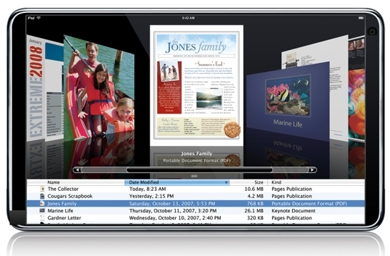
After a year of speculation on its launch date, Apple debut its iPad in January this year to mixed reviews. With a 9.7 inch touch screen and a variety of new apps, the tablet will retail for $499. Whether it will remain true to its nickname as the 'Kindle Killer' will remain to be seen when it hits stores in March.Here are five things you should know about the Apple Ipad.
Fast forward...
Although e-readers have been sought-after items for the past two years, consumers may be reluctant to invest in the face of a constant launch of new, upgraded models. After the Kindle’s initial success, a stream of alternatives are now debuting, including Apple's IPad and Que reader from UK-based Plastic Logic, which boasts a flexible plastic electronic display. E-readers will likely see longevity as they move beyond a niche market and embrace other possibilities - providing manufacturers continue to make great content available.This article was originally published in the 28 January 2010 issue of Media.