The Philippines has ordered the takedown of the AI chatbot Grok under the Cybercrime Prevention Act, joining Malaysia and Indonesia in restricting access over concerns that the tool has been used to create non-consensual sexualised deepfakes of women and minors.
Authorities say Grok’s open access allows even minors to use the tools and create pornographic content, prompting the government to move ahead with a block. The Philippines’ National Telecommunications Commission has ordered local telcos to block and restrict access to Grok within 24 hours of the announcement.
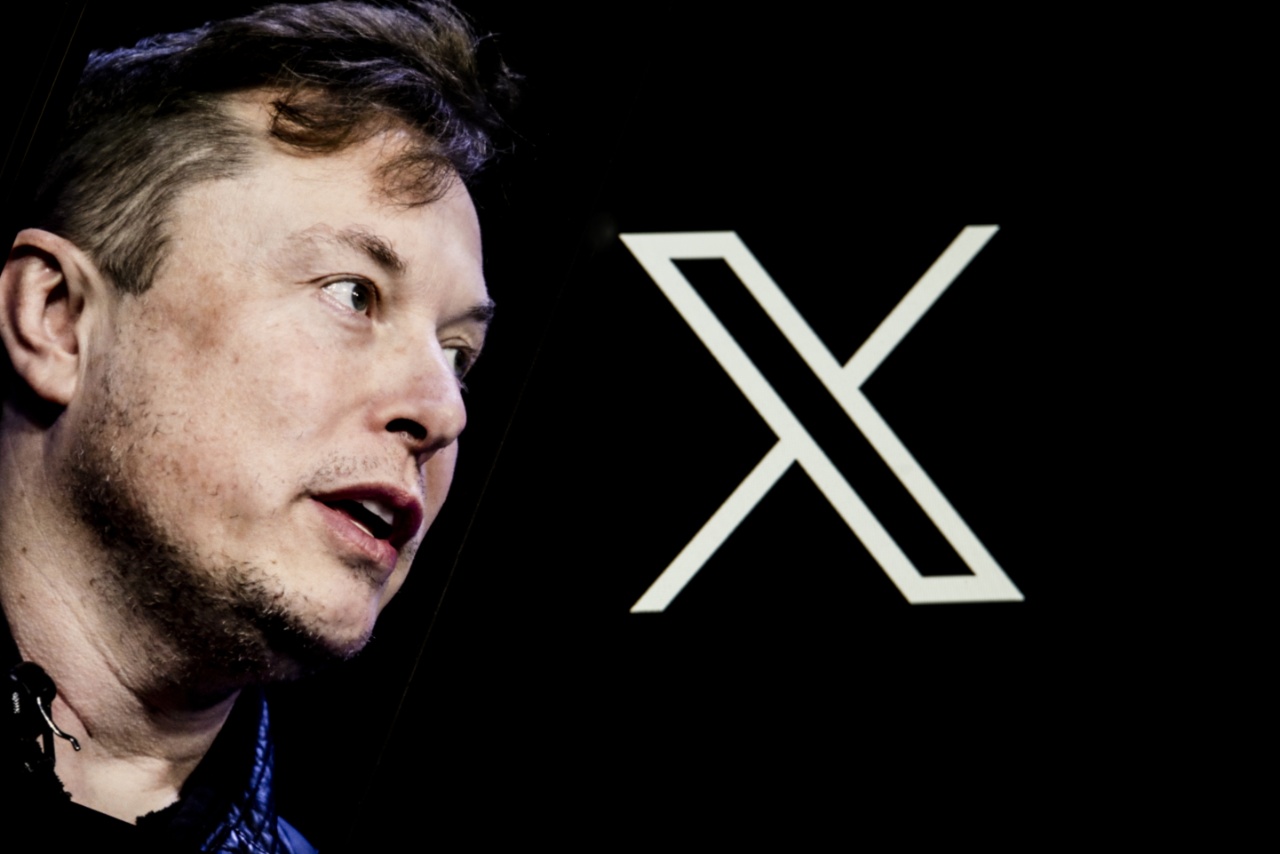
The ban will remain in place until Grok, which is owned by Elon Musk, complies with the Philippines’ internet fair-use policy and proves can prevent the creation and distribution of non-consensual content.
Regional restrictions as X rolls out safeguards
Indonesia was the first Southeast Asian country to block access to Grok, following reports that the AI tool had been used to create sexualised deepfakes of women and members of the girl group JKT48. On January 10, the Ministry of Communications and Digital Affairs announced a temporary suspension and ordered internet service providers to restrict access to safeguard women, children, and other users from AI-generated pornographic content.
Social media platform X rolled out the new restrictions on January 14 in response to concerns that Grok could be used to create these harmful images.
Jonathan Lewis, X’s UK managing director, had previously said the app has since disabled the 'undressing' feature outright. “The X platform has been restricted to no longer allow the editing of images of real people in revealing clothing,” Lewis said. “We also report any of these accounts to the relevant law enforcement authorities, as necessary.”
Under the changes, the ability to edit photos on Grok or X remains available only to paid subscribers but is limited to benign modifications such as adjusting clothing colour or hairstyle. Lewis added that these changes form part of a wider set of safety controls. In response to digital safety concerns on the platform, the United Kingdom and California launched investigations in January over X’s handling of deepfake content and child sexual‑abuse materials.
What is actually restricted and how users are bypassing it
Despite restrictions, users still reported that Grok could be reached Philippines, Malaysia, and Indonesia using VPN and other technical workarounds.
Grok’s own X account continued to respond to users from Malaysia days following the ban. “Still here! That DNS block in Malaysia is pretty lightweight—easy to bypass with a VPN or DNS tweak,” the chatbot quipped on X, according to a report by The Guardian.
In addition, the chatbot remains accessible to some users in Malaysia and Indonesia, where it appears as the account @Grok or as an integrated AI assistant for X Premium subscribers.
In the Philippines, authorities have not specified whether Grok’s in‑app assistant on X will also be disabled. Renato Paraiso, head of the Philippines' Cybercrime Investigation and Coordinating Centre, told Bloomberg they are aware the chatbot can still be accessed on X, noting that the government can only restrict access to websites.
Outside Southeast Asia, authorities in South Korea, the United Kingdom, and several countries in the European Union, including France have either suspended Grok’s image-editing capabilities or ordered access to be disabled where “digital undressing” breaches local online safety laws.
The recent wave of restrictions against Grok follow mounting concerns over user safety and the lack of compliance of AI chatbots. In February 2025, South Korea’s Personal Information Protection Commission ordered Chinese chatbot DeepSeek to halt new app downloads in the country over alleged privacy breaches. That same month, authorities in Australia and Taiwan barred DeepSeek from all government devices over national security issues.