IMG, the global sports marketing agency is retiring the Mailman name, which for years represented the company’s largest digital sports marketing unit, based in Asia.
Instead, the digital marketing consultancy formerly known as Mailman, will continue as part of an integrated global team of 200+ digital specialists across five continents all under the IMG brand.
“It’s just much clearer for clients, industry and for our staff,” Lewis Wiltshire, IMG’s SVP and managing director for digital tells Campaign.
Mailman, formed in 1999, had approximately 100 full-time staff based in its Shanghai headquarters, with another 20-30 employees based either in Singapore or positioned in other markets across Asia.
For decades, Mailman has helped Western sports organisations and brands to enter the Chinese and Asian markets with the help of local insights and engage with sports fans through live and digital activations. Increasingly a growing part of their business, now roughly 15-20%, involves partnering local Chinese brands with sports events and digital activities.
Mailman Group was acquired by IMG’s parent company (then Endeavor) in 2021 as part of a broader strategy to expand into China and Asia-Pacific. Its London-based subsidiary, Seven League, headed by Wiltshire, was rolled into IMG and eventually retired its brand name in 2023. Wiltshire says that move shared a similar objective to this decision to exit the Mailman brand and create a single global IMG digital team working around the clock.
The move also follows the acquisition of IMG, and Mailman with it, earlier this year by US-based TKO Group Holdings, the parent company of UFC and WWE.
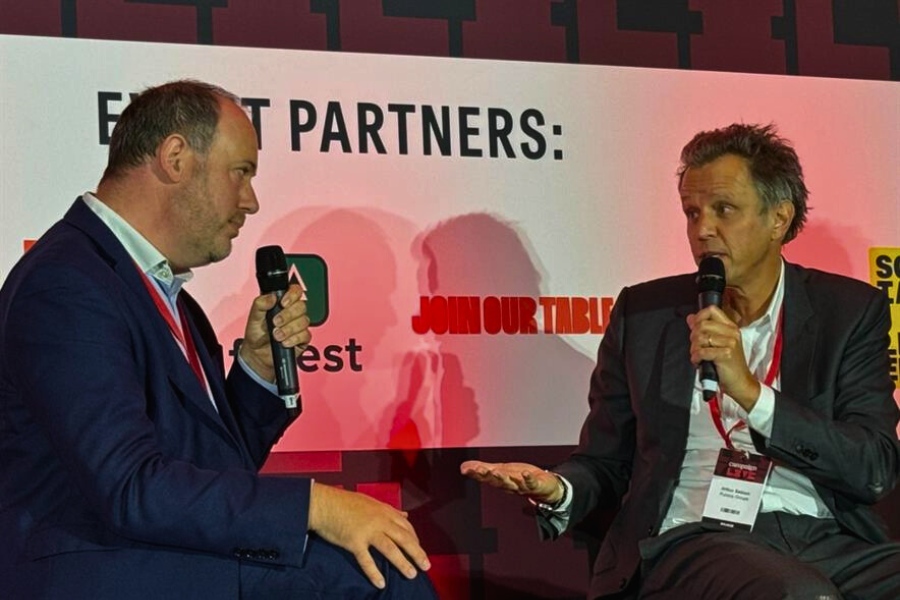
In an exclusive interview, Campaign caught up with Wiltshire, along with Rufio Zhu, who led Mailman as VP and now is IMG VP of Digital, to discuss how digital sports marketing is changing in Asia and what the new opportunities are for IMG under its new structure.
The interview comes as more major sports leagues and franchises make their return to China, like the NBA preseason games held in Macau earlier this month after a six-year hiatus for the league and UFC’s fight night returning to Shanghai after an eight-year absence.

What are the fastest growing sports opportunities for brands in China right now?
Rufio Zhu: Covid has really impacted the dynamics of this market for years, but what we see now are high-level sports events not only coming back to this market but doing very well. The NBA’s preseason return finished just days ago, our own TKO Group’s UFC fight night sold out in less than a minute, and [China Open] tennis had record-breaking sales as well. There’s competition, of course, from the Middle East and elsewhere, but based on population, passion of fans and the foundations through digital that IMG has built here, APAC has a very exciting future.
We're also seeing a real rise of grassroots sport in China. The locally-led amateur ‘Suchao’ football league drew tens of thousands of fans to their recent games to rival even the professional China Super League.
Plus, Asian brands are now more willing to invest in sponsoring the top global tournaments. FIFA already has a few Chinese brand sponsors and Japanese brands, the IOC has brought on [Chinese electronics brand] TCL as a top Olympic partner and European football leagues as well as the NBA and NFL are seeing more brand partners from the APAC region who want to be part of the global sports economy.
The NBA did return, but only after a long hiatus sparked by geopolitical controversy. Will these issues always limit the growth of global leagues and franchise activity in China?
RZ: These types of issues show the value of our digital team here with on-the-ground expertise. For rights holders in the local market, we can educate, communicate, and work together with them to let them know areas they want to avoid. Everyone wants to do business in this market, and we can tell them: ‘If you really want to dive deep in this market, here is what to follow to make sure the fans still love you.’ Now, working as global team, we can identify sensitive areas to be aware of during onboarding.
Lewis Wiltshire: And sport is a great unifying force. Whether it's the Olympic Games or World Cup, or Super Bowl, the world watches these events together live. Our IMG president speaks of a golden age of sport, and I think that’s true globally.
You mentioned a rise in local sports activities in China. How much growth is there and which types of brands are getting involved?
RZ: We see more Chinese populations getting involved with healthier lifestyles and fitness and with it, as part of the Healthy China 20230 initiative which is trying to build recreational facilities within a 15-minute walk of everyone. When the Chinese government puts its mind to something it generally gets done.
With it, we’re seeing more offline mass participation sports events in different city tiers and parts of the country. Grassroots sports like football, running, cycling, flag football are happening with every tier of brand, both globally and locally, becoming partners.
Now that you’ve unified IMG’s digital sports marketing teams internationally, what is their focus? Is it mostly social media marketing or more consulting?
LW: One of the things that we've always been the most proud of is that we can act as the primary digital agency for sports organisations, which means that they generally come to us for whatever they need and we can support them across the spectrum of digital services. So we've always been able to offer strategic consulting advice to sports organization and help them to understand where are they currently:
- Where are their digital audiences now?
- Where do they want their digital audiences to be?
- How do they reach, engage and monetise those audiences?
- What does their digital portfolio look like?
- How could that be improved?
- Where do they need to get to?
- How future-proofed is that?
We help them build a plan for where they need to get to, and then we can implement that plan. So social media content is a huge part of that, but certainly not all, with a physical presence and operational teams for clients with on the ground expertise.
RZ: With the 100 people we have here in Shanghai, we have the connections, the experience, knowledge of the markets here, and work with a lot of global rights holders to connect them to the fans here. Working closely with Lewis, the London team, and teams elsewhere, we let them know what's the right strategy to go to market. Also, we’ll work with brands interested in sponsoring sports to extend their reach through a direct-to-consumer approach. So we’re already a really good extension for the IMG digital global service team.
AI is playing a much bigger role in digital marketing for products and services generally. Will its usage be different for digital sports marketing, where fans know their teams so well and favour real moments and interactions?
LW: AI is going to transform the world around us, there's no doubt. It will transform the world's access to information, and it will transform the way that all organisations, whether in sport or otherwise, can create content.
But it's not yet, and I'm not sure it will ever be, a replacement for true, authentic, human-curated content, which is made using genuine, on-the-ground, localised expertise. That's where I've got huge confidence in Rufio and his team in China and wider Asia, because I just don't see an alternative yet through automated technology to replicate what they can do in their ability to reach and engage Chinese audiences.
This interview was edited for clarity and brevity.