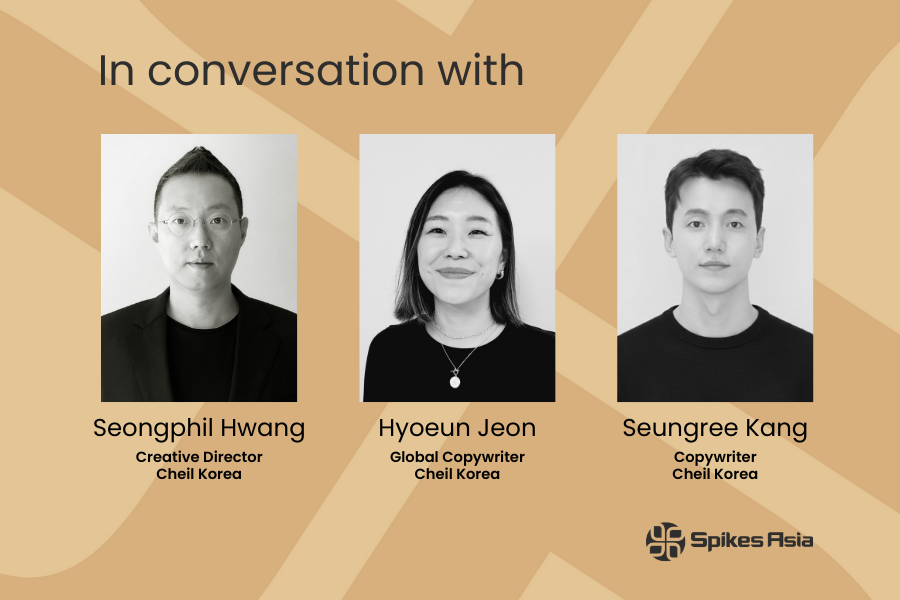
We spoke with Cheil Korea’s creative director Seongphil Hwang, copywriter Seungree Kang, and global copywriter Hyoeun Jeon to find out how the fiery tattoos built brand love for Burger King.
1. The 'Whopper Tattoo' is undeniably bold and unconventional, resembling a real tattoo and including a barcode that doubles as a coupon. What sparked the idea to use such a non-traditional medium to promote Burger King's Whopper and what cultural or societal insights shaped the direction of this campaign?
“The medium is the message” still holds true in advertising. Choosing humans as the medium, rather than TV or DOOH, is in itself a statement of confidence. It means believing that people would willingly carry a tattoo designed by the brand on their arms, legs, or backs. Not many brands can afford to make such a bold move. Meanwhile, in Korea, paper flyers are still widely used. Around lunchtime and dinnertime, countless restaurants hand out coupon flyers on the streets. Most people don’t take them, and even when they do, they usually throw them away. We wanted to create a coupon that couldn’t be thrown away—one that people would actually want to keep and even show off.
2. How did you ensure the work resonated with Burger King's loyal customer base, as well as a broader audience?
We wanted the Whopper Tattoo to feel less like an in-store promotion and more like an out-of-store festival. That’s why we brought in Burger King’s iconic character, the King. Wearing a 3D-printed mask and full costume, the King went out onto the streets holding a tattoo gun in one hand and a tattoo book in the other. When the King appeared at two of the busiest locations in South Korea—Gangnam Station in Seoul and Haeundae in Busan—crowds gathered instantly. Loyal fans and passersby alike chose their designs from the tattoo book, and the King drew the tattoos on the spot using a tattoo gun.
3. What were the biggest challenges in bringing this campaign to life, particularly regarding logistics, collaborating with tattoo artists, and managing public perception?
Tattoo-based advertising has been attempted before. However, we had not seen a case where a barcode readable by a kiosk was embedded within a tattoo. And for good reason—it’s extremely difficult to execute. Moreover, we did not want to simply place a barcode onto a tattoo. We wanted it to live in harmony with the tattoo design itself. Given the high level of difficulty, we worked closely with tattoo artists and moved forward step by step. When the scanner finally recognised the barcode and made that familiar “beep” sound, it was incredibly satisfying.


4. What was the most surprising or memorable reaction from participants or the public during this campaign?
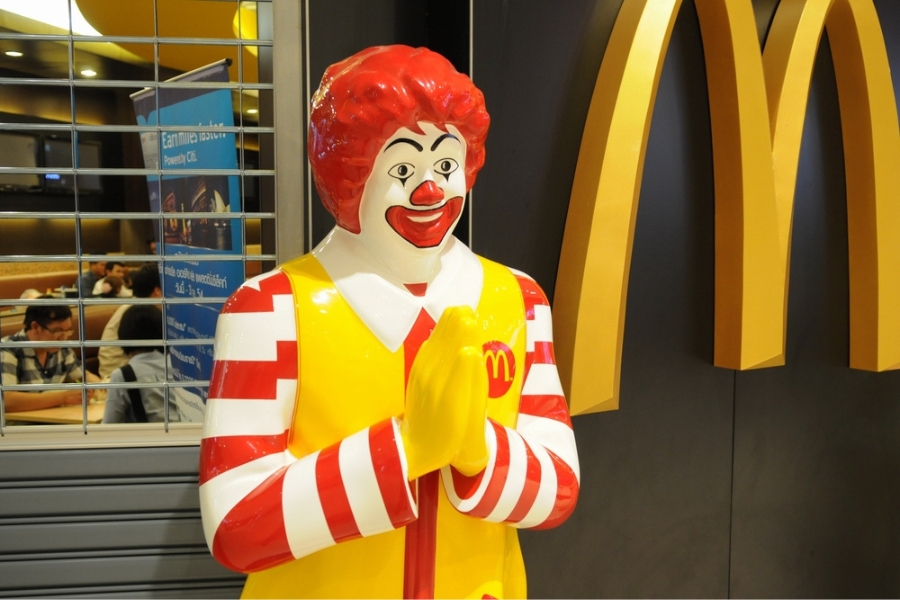
Near the area in Haeundae where the King was roaming, there happened to be a McDonald’s. This is just between us, but it seems some people came out of there to get tattoos as well. And once you get the tattoo, you’d naturally head to a nearby Burger King to redeem your Whopper. That means a face-off between flame-grilled and not-grilled took place. Who do you think won?
5. Why did you prioritise entering 'Whopper Tattoo' into Spikes Asia?
Spikes Asia is sharp—just like its trophy. It asks more pointed questions than other award shows. If you casually submit a campaign thinking, “This might fit the Media category,” Spikes will ask, “Why is this work relevant to media?” Because of this, the work that gets shortlisted and awarded is inevitably sharp. Incidentally, Whopper Tattoo won in the Industry Craft – Art Direction category. It felt especially rewarding to be recognized for craftsmanship. That sense of fulfillment is what brings us back to Spikes Asia year after year.
6. What does winning a Spike mean to you?
When we create advertising, we’re always searching for references—not to imitate them, but to go beyond them. Winning a Spike feels like reaching a point where your work itself becomes a reference. Just as past Spike-winning works have guided us, we hope our win will become a reference point for other agencies—something they can study, resonate with, critique, and build upon as they push further.
7. Drawing from your experience, do you have any advice for other Korean agencies considering entering Spikes Asia?
Creatives grow through feedback. Most of the feedback we receive in our daily work comes from comments under videos or casual small talk with colleagues. Spikes Asia, however, offers sharp feedback. It begins with the submission process, continues through attending sessions on-site, and sometimes includes presenting your work. Cheering on stage at the awards ceremony or heading to the airport empty-handed are all part of a long and meaningful feedback journey. So send your great ideas, and those of your colleagues, to Singapore.
Entries into Spikes Asia are being accepted until Thursday 29 January 2026. Get started on your entry journey at www.spikes.asia/awards.
RELATED: Burger King Korea unveils ink-redibly tasty new summer campaign