Tencent Video woos advertisers with promise of 'bolder' product placement
BEIJING - Tencent showcased an ambitious slate of original productions and programming interactivity to advertisers in the first presentation of a three-city tour here yesterday. The company gathered media-agency heads, motion-picture houses, consulting firms, film producers, scriptwriters and actors to convince advertisers of the potential popularity and branding viability of 140 local offerings planned for 2014. The elaborate sales pitch imitated the format of cable-TV upfronts.
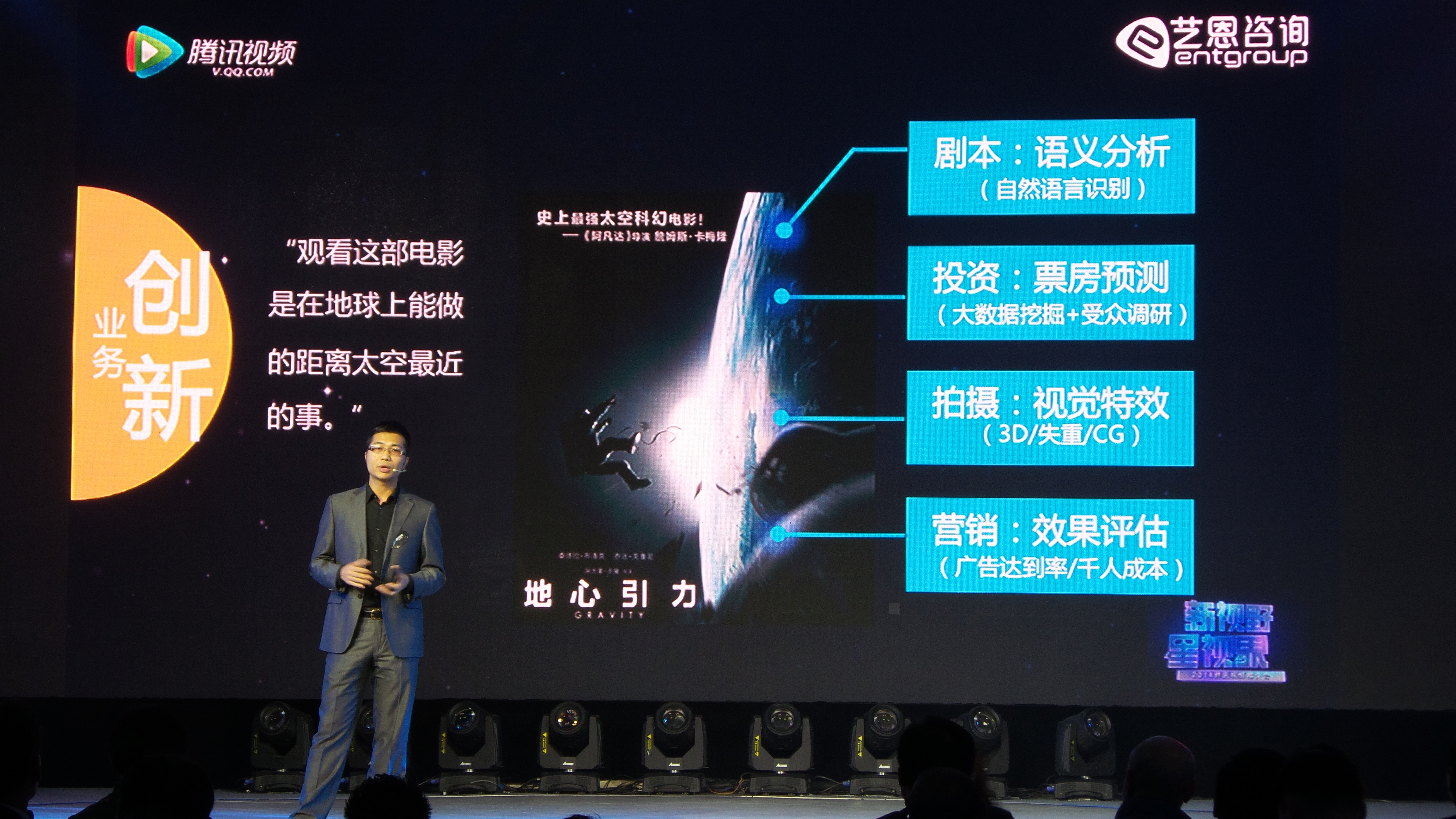
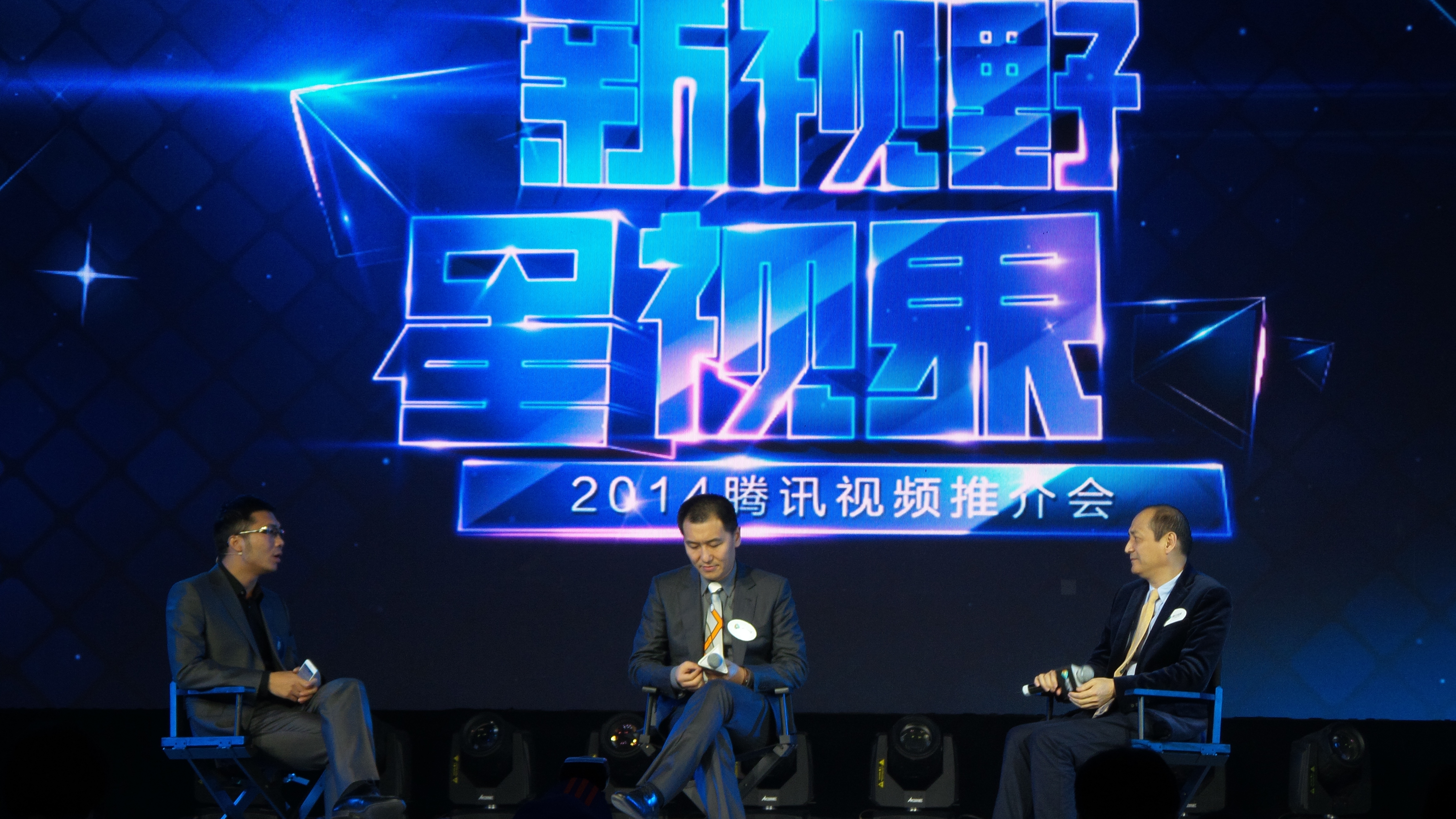
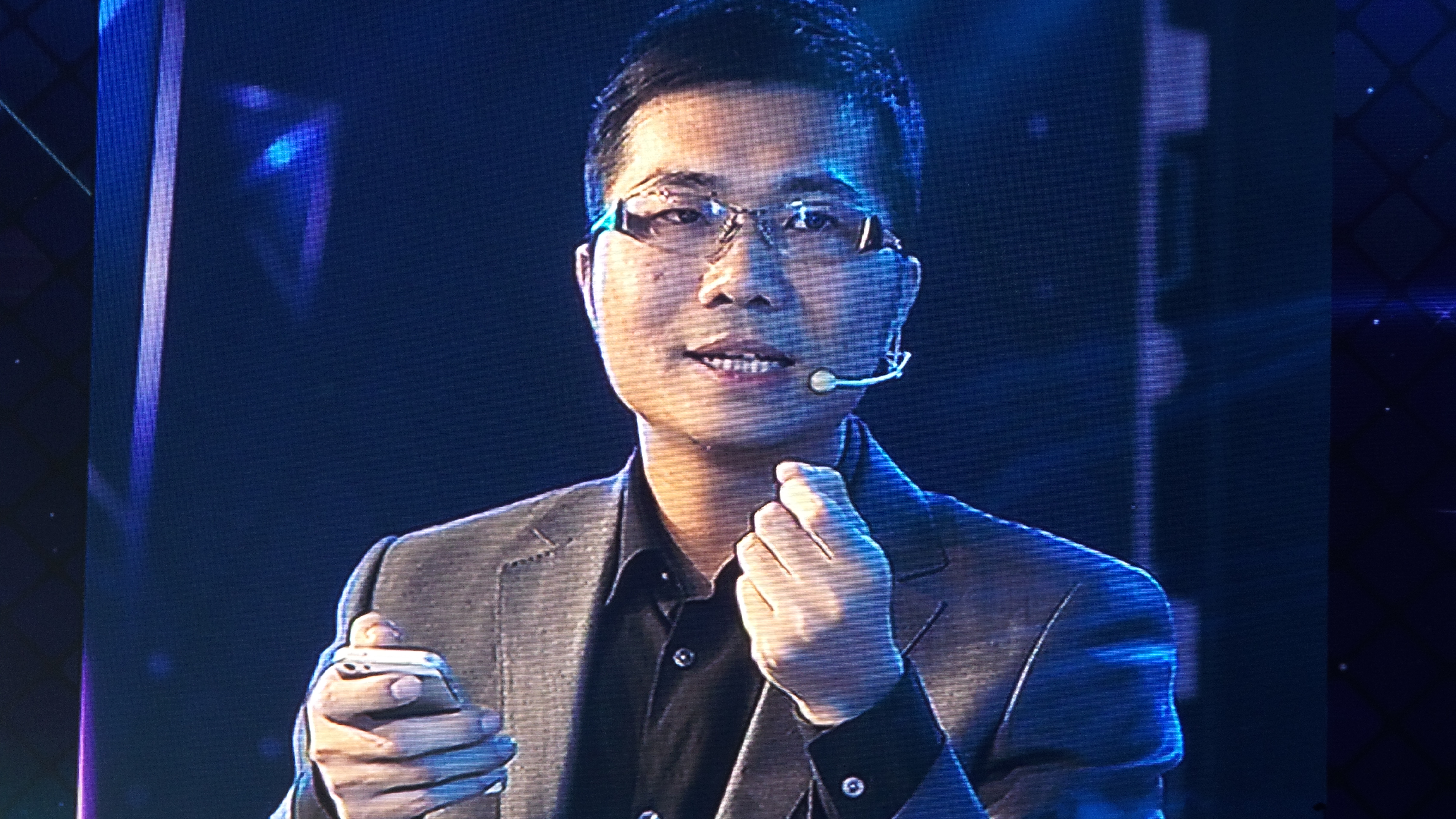
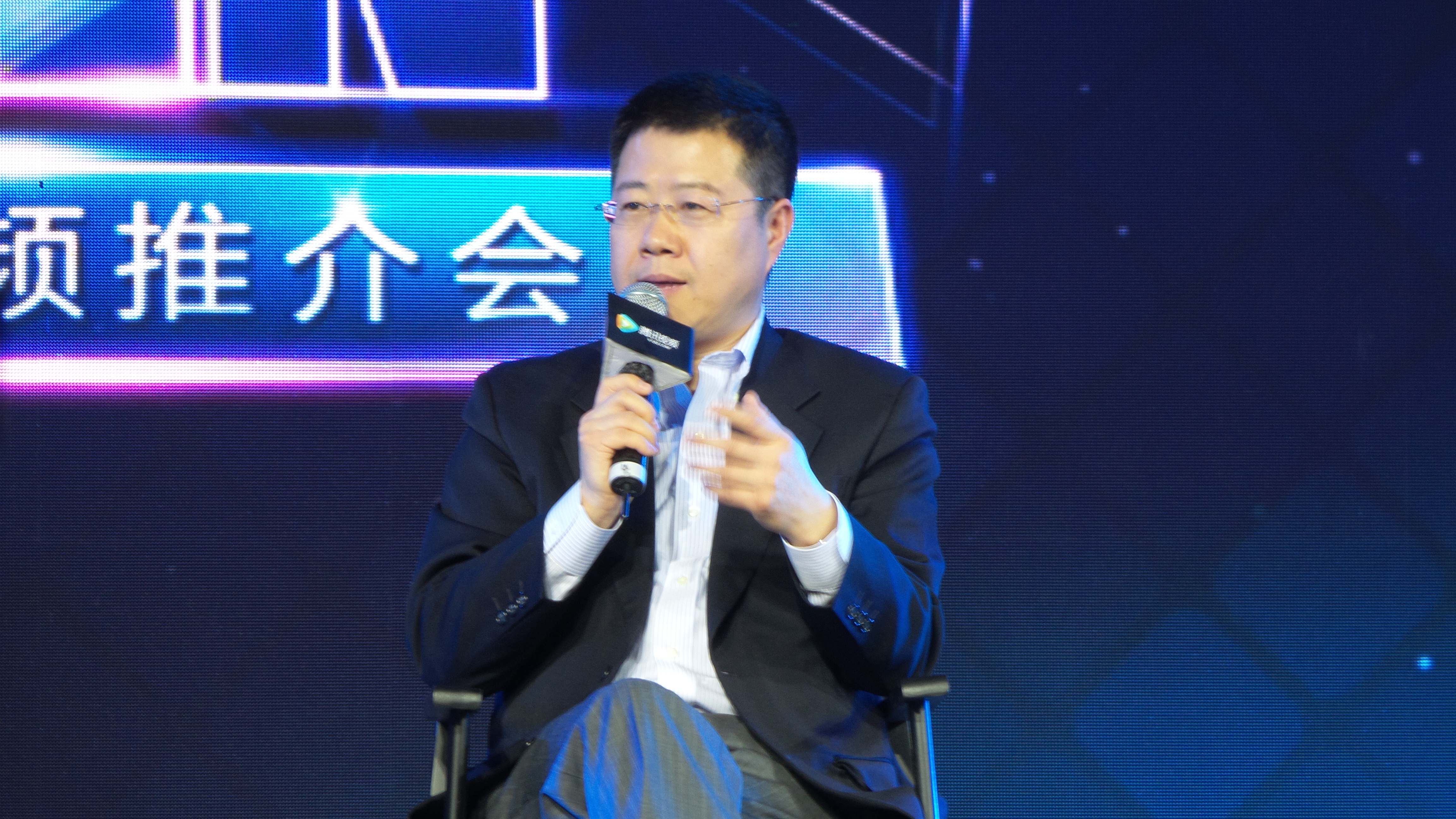
Leon Gao, founding partner of EntGroup (a research firm on the Chinese film, manga and animation industries), said box office predictions and assessments of advertising reach can be conducted before a movie is launched.
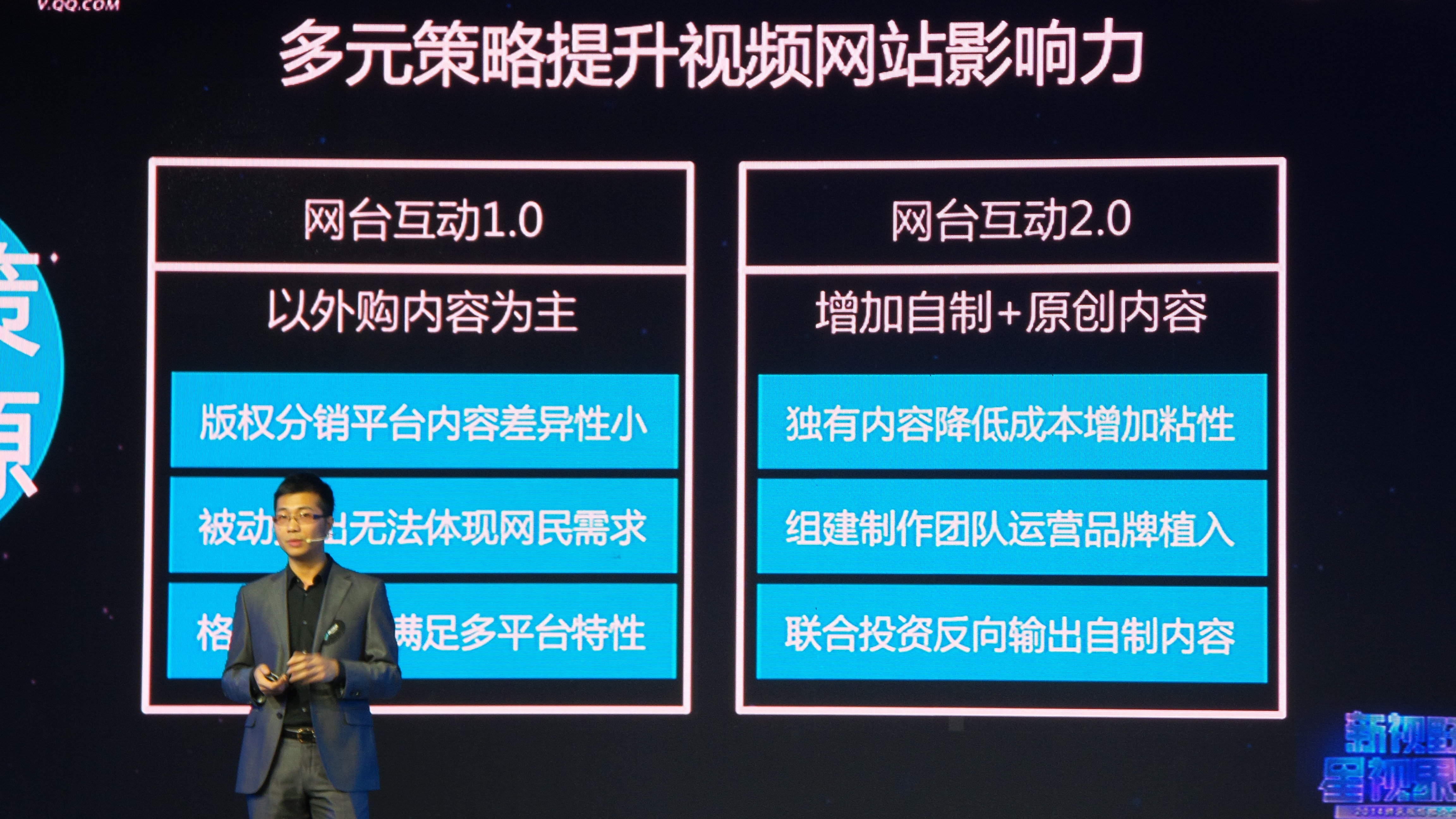
Gao spells out the cons of buying copyrighted content from external sources and the pros of producing original content.
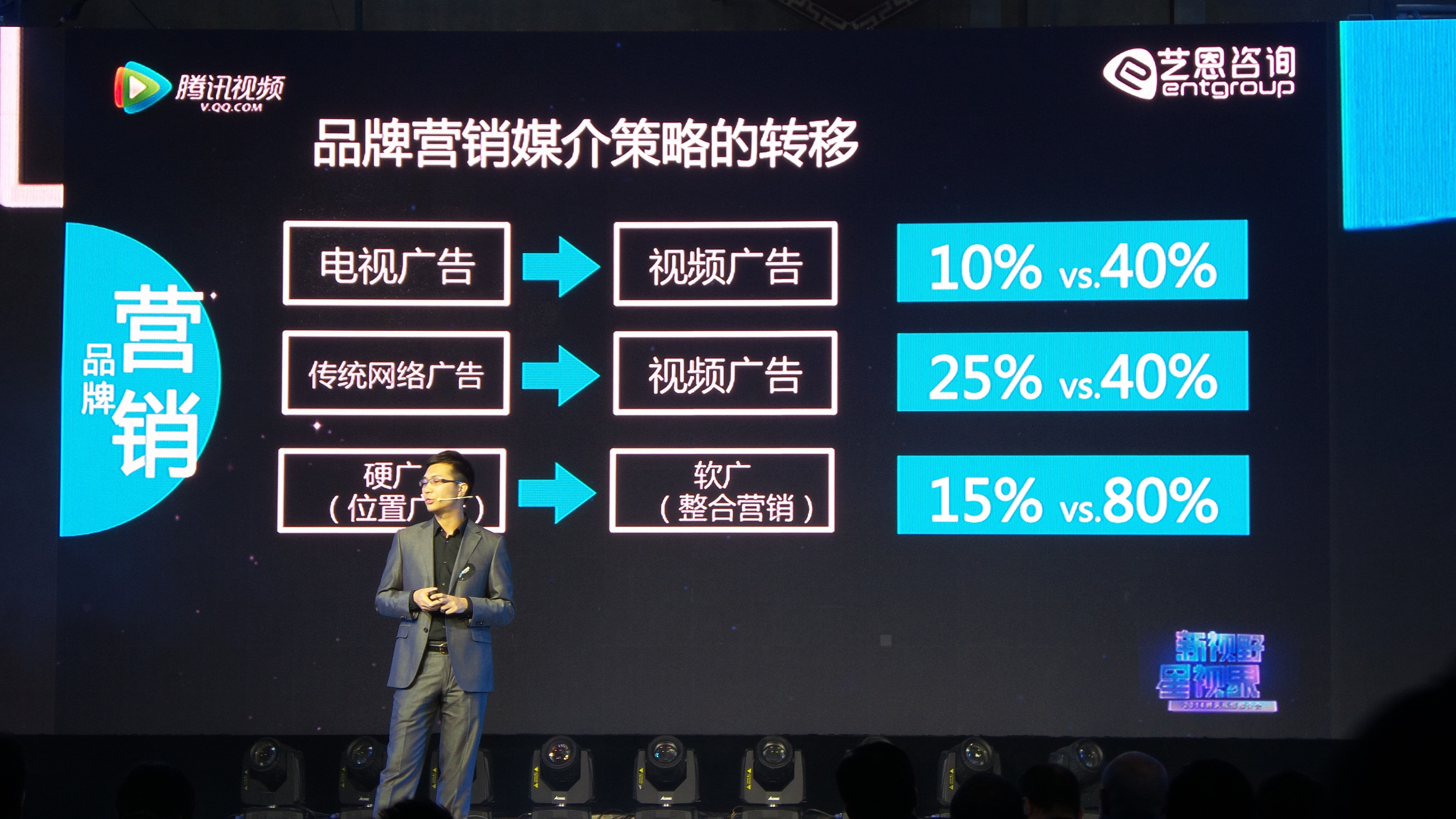
Gao: "Advertisers are shifting media dollars from traditional TV and display advertising to online video. On average, up to 40 per cent of media budgets are spent on online video".
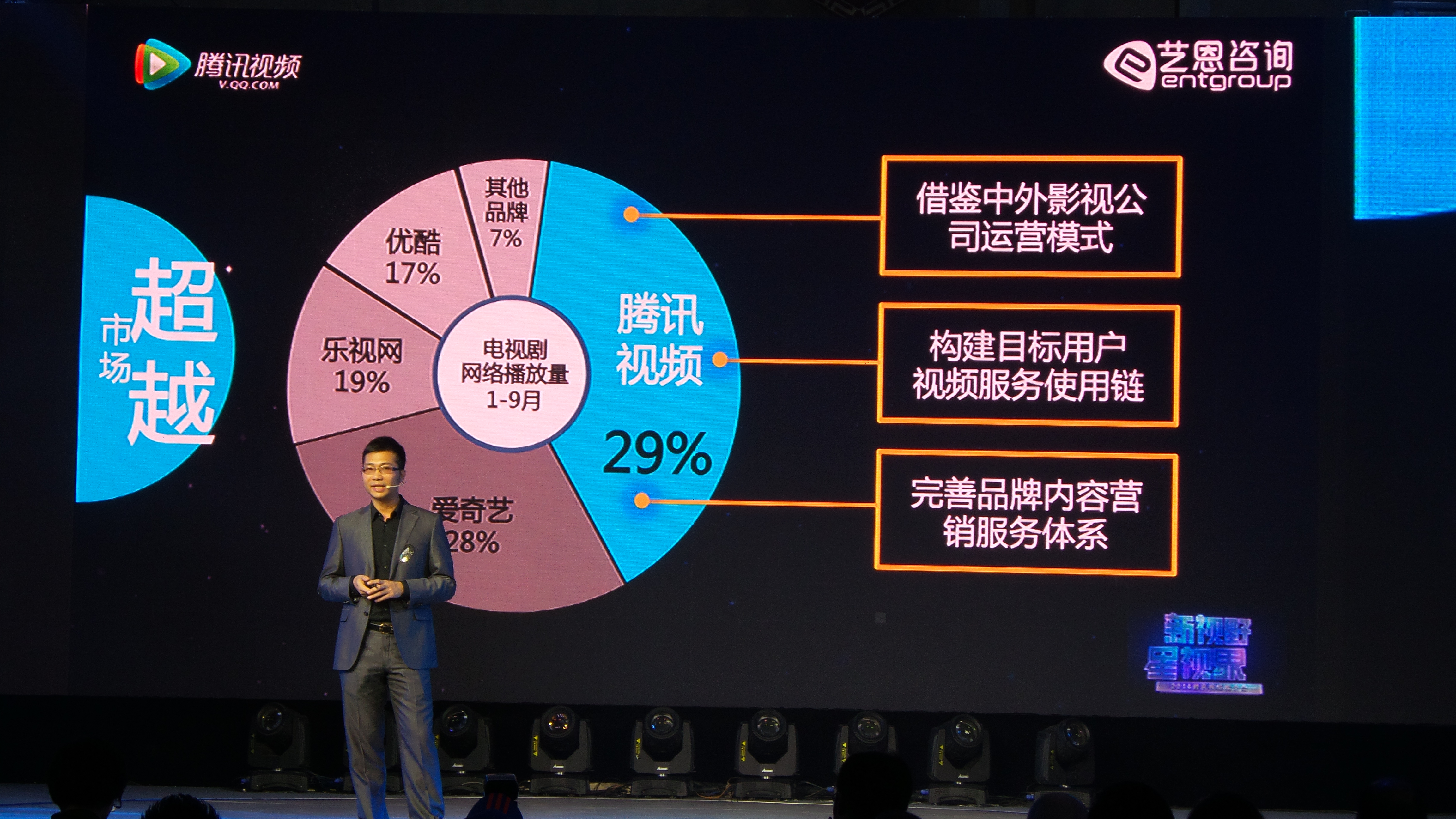
Tencent had a 29 per cent market share, while LeTV, Youku, iQiyi, Tudou and others took a combined 71 percent in the first 10 months of this year, according to EntGroup.
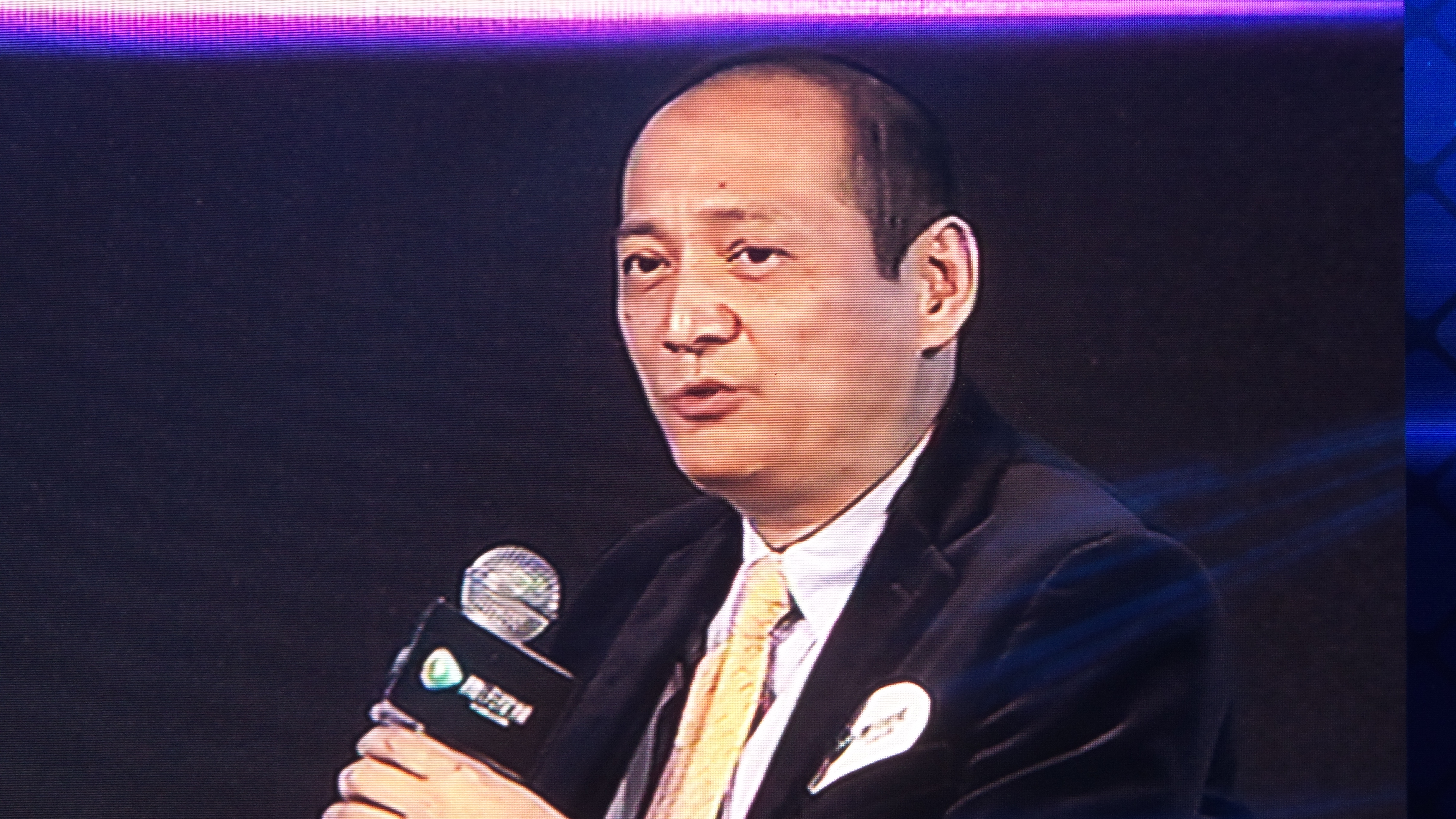
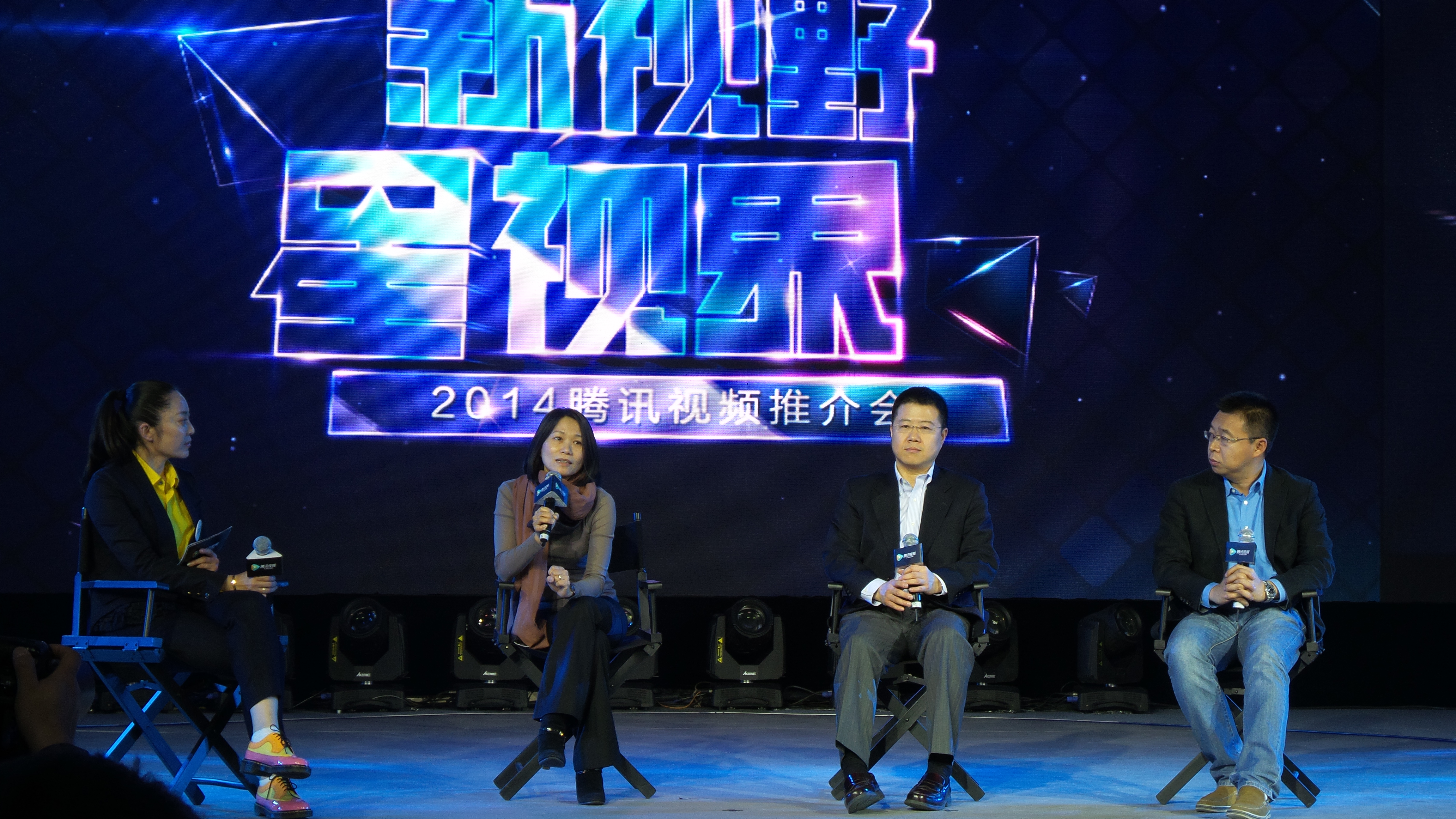
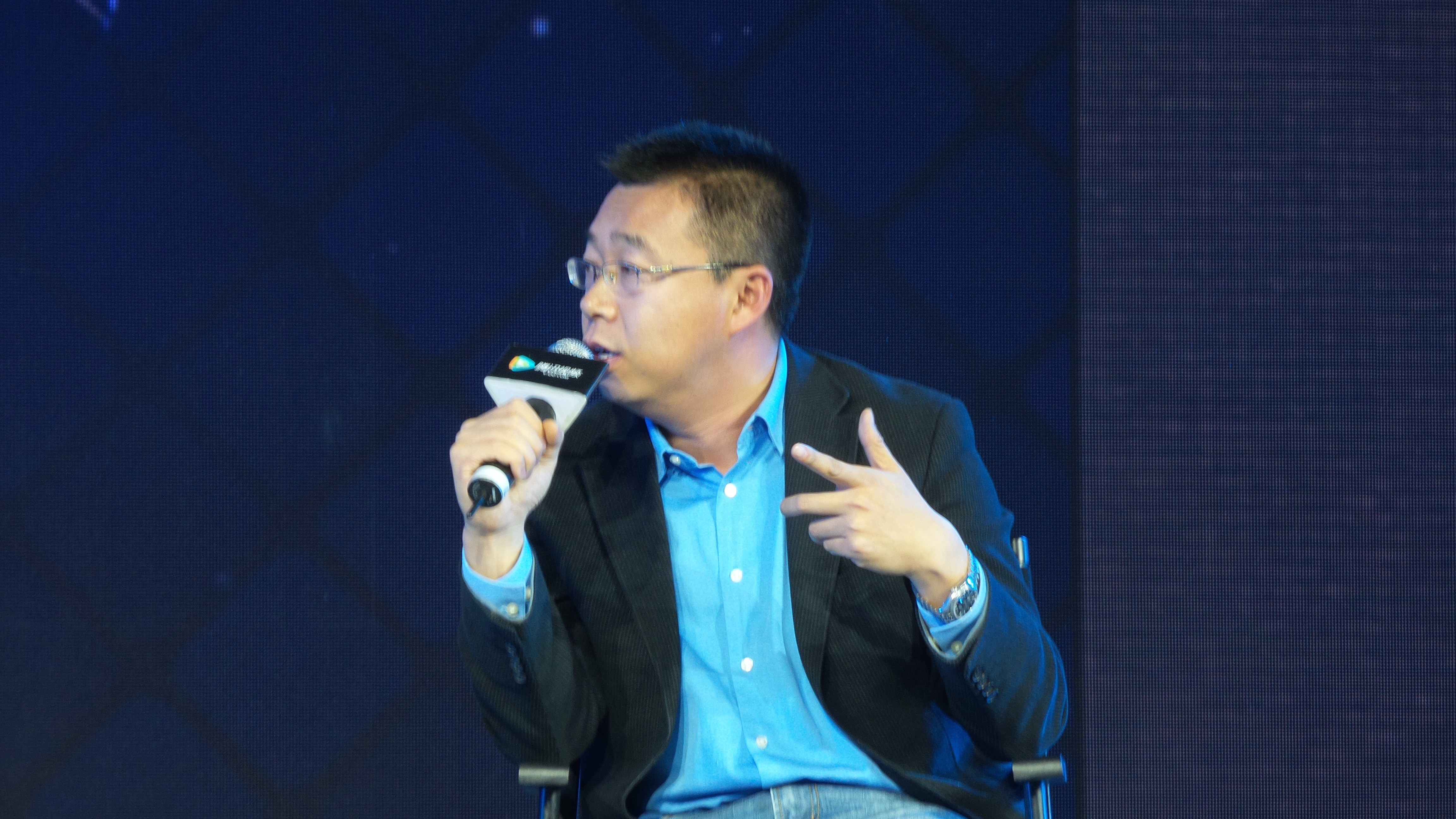
In a discussion panel, Wu Tao, CEO of Croton Media, said traditional film and TV program producers have to join forces with internet companies to expand distribution channels, otherwise both will be disadvantaged.
"Actors are urging viewers to watch their shows on TV so that ratings will go up, and that justifies the reason to continue producing future seasons," said Wu. He poses the possibility of debuting future programs online.
Gao said market integration (read: mergers) will be the key words for China's online video industry over the next five years.
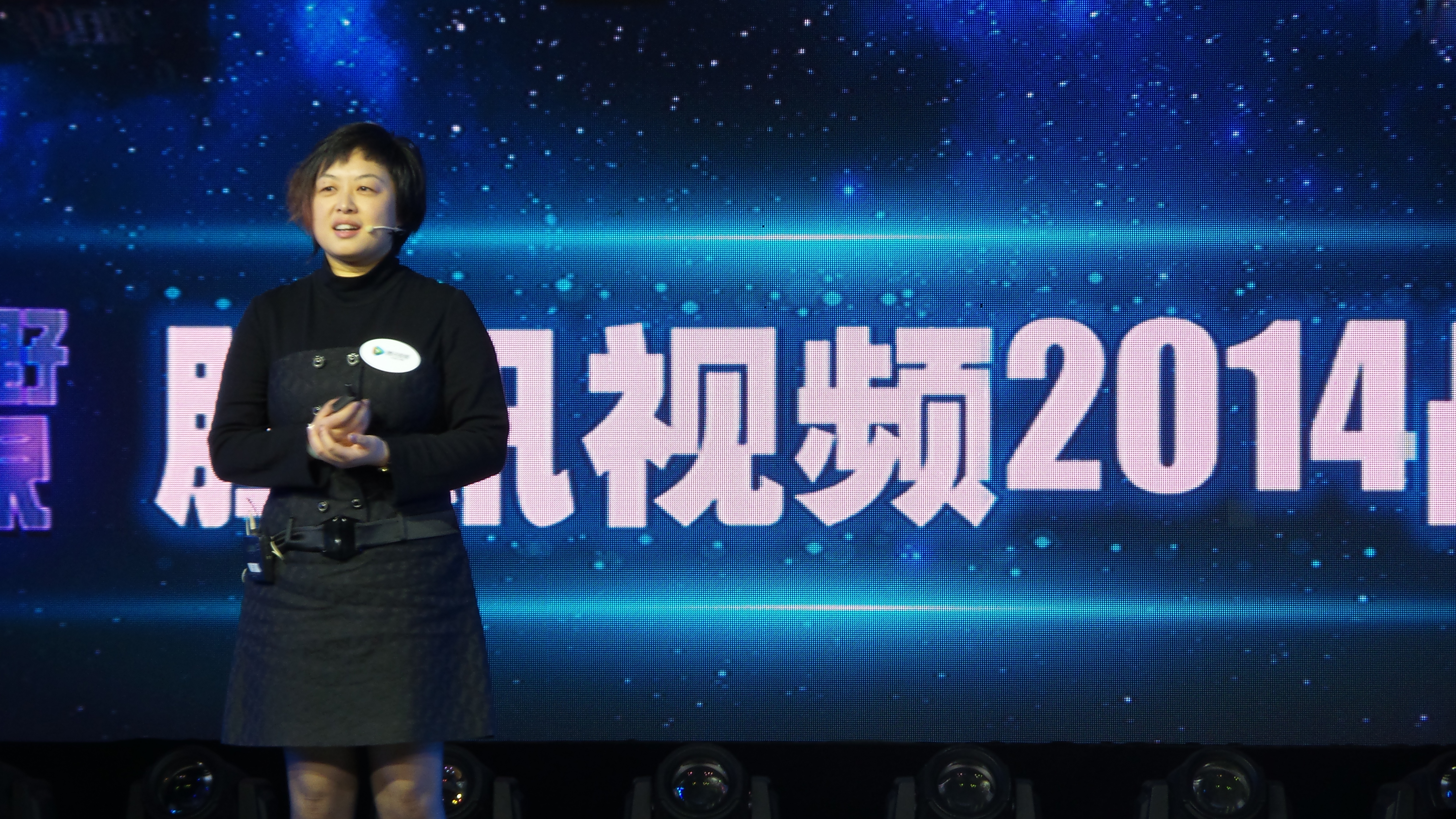
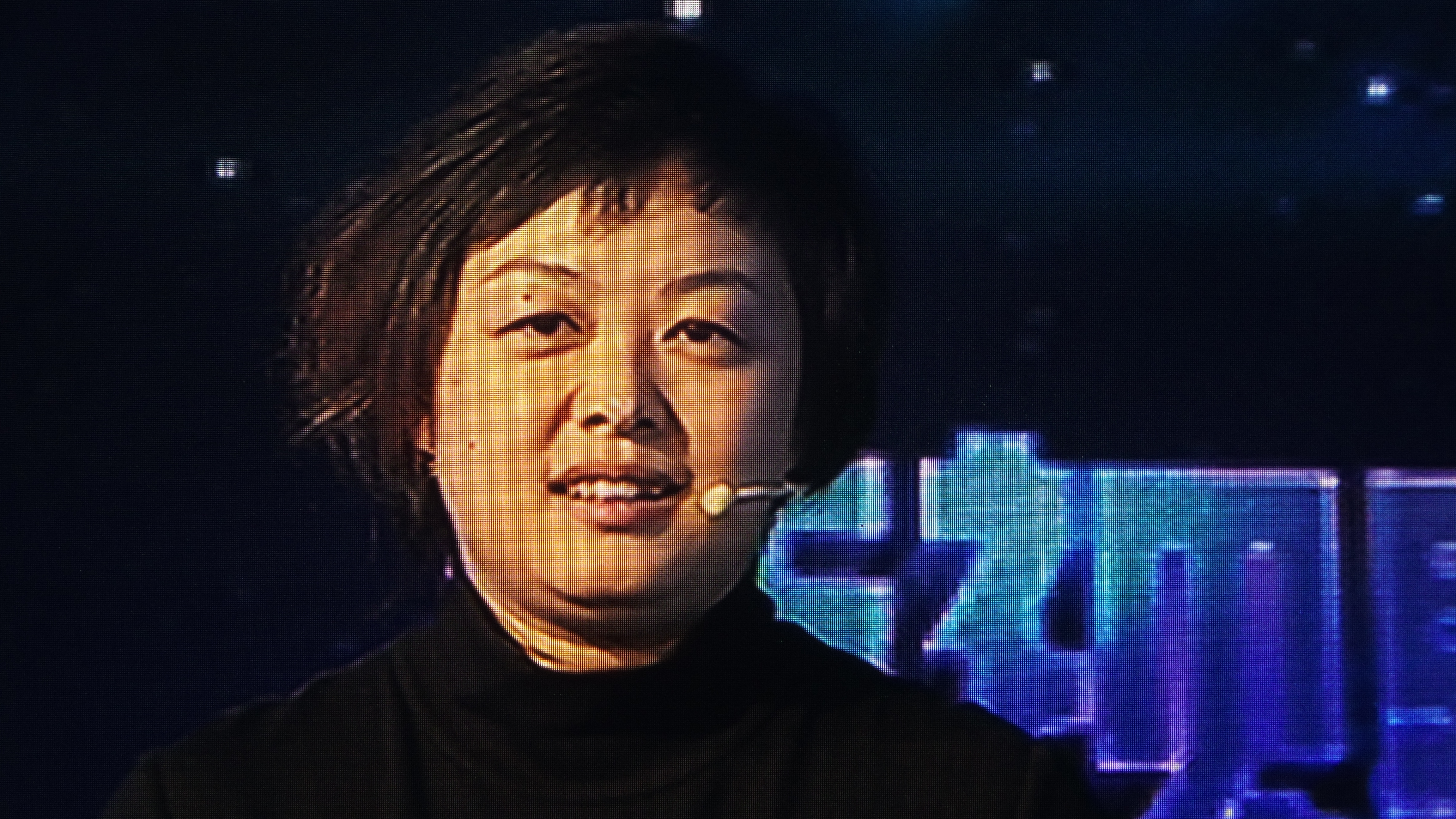
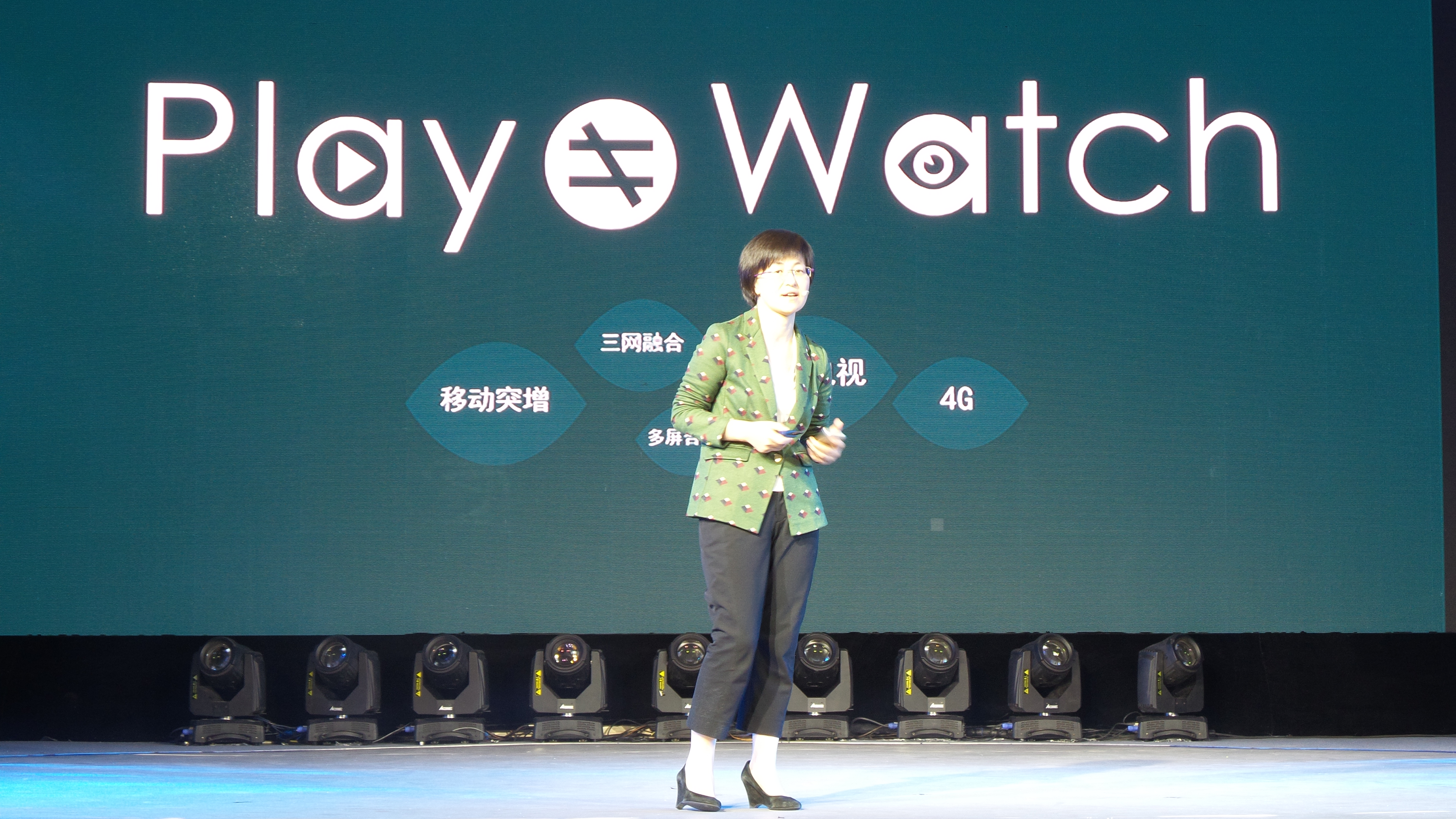
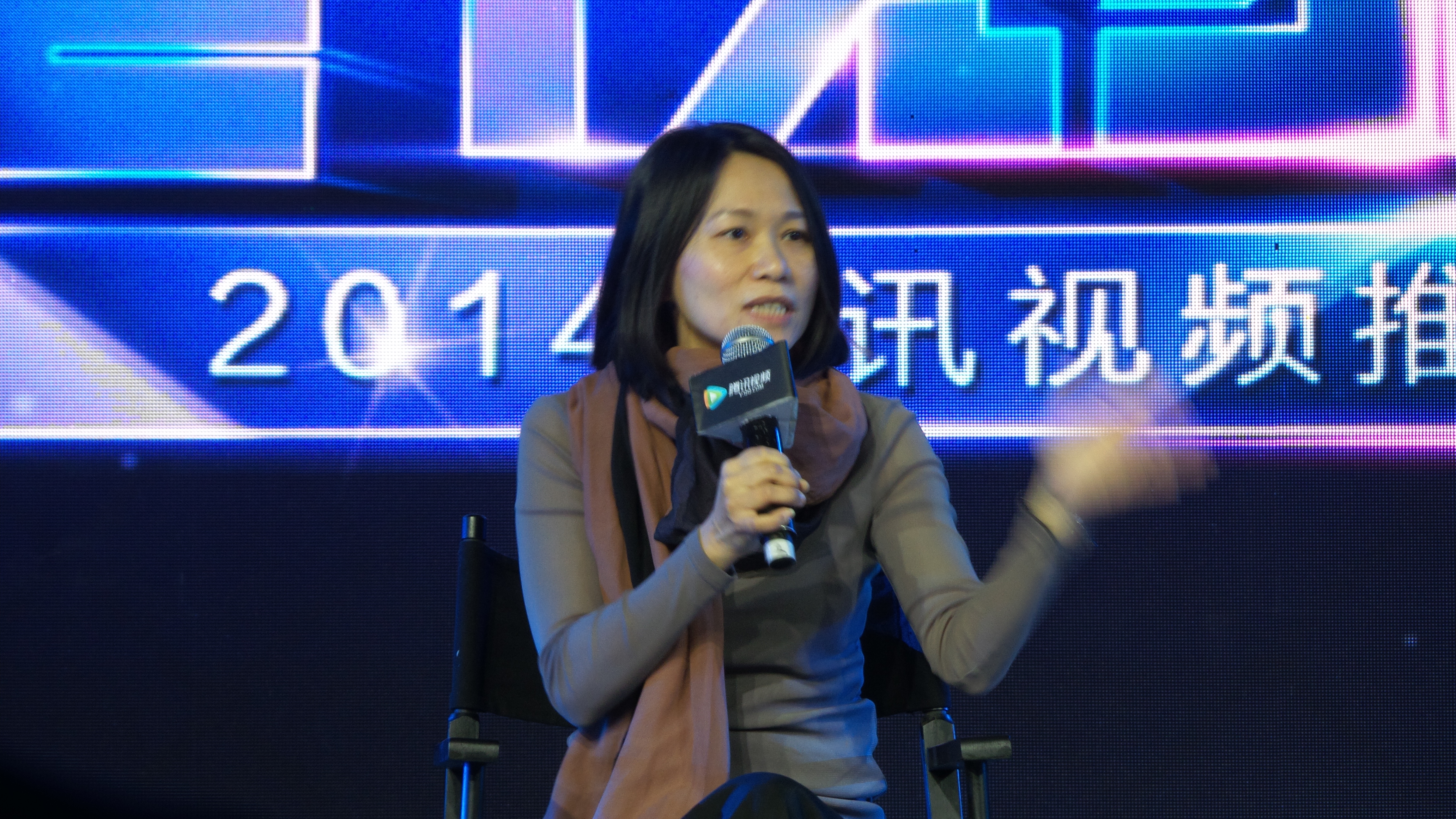
Tencent's deputy general manager of its online video department Wang Juan unveiled the development strategy for the year 2014 that focuses on mobile interactivity and originality of content.
Tencent claims to have achieved 100 per cent investment efficiency for copyrighted content in 2013.
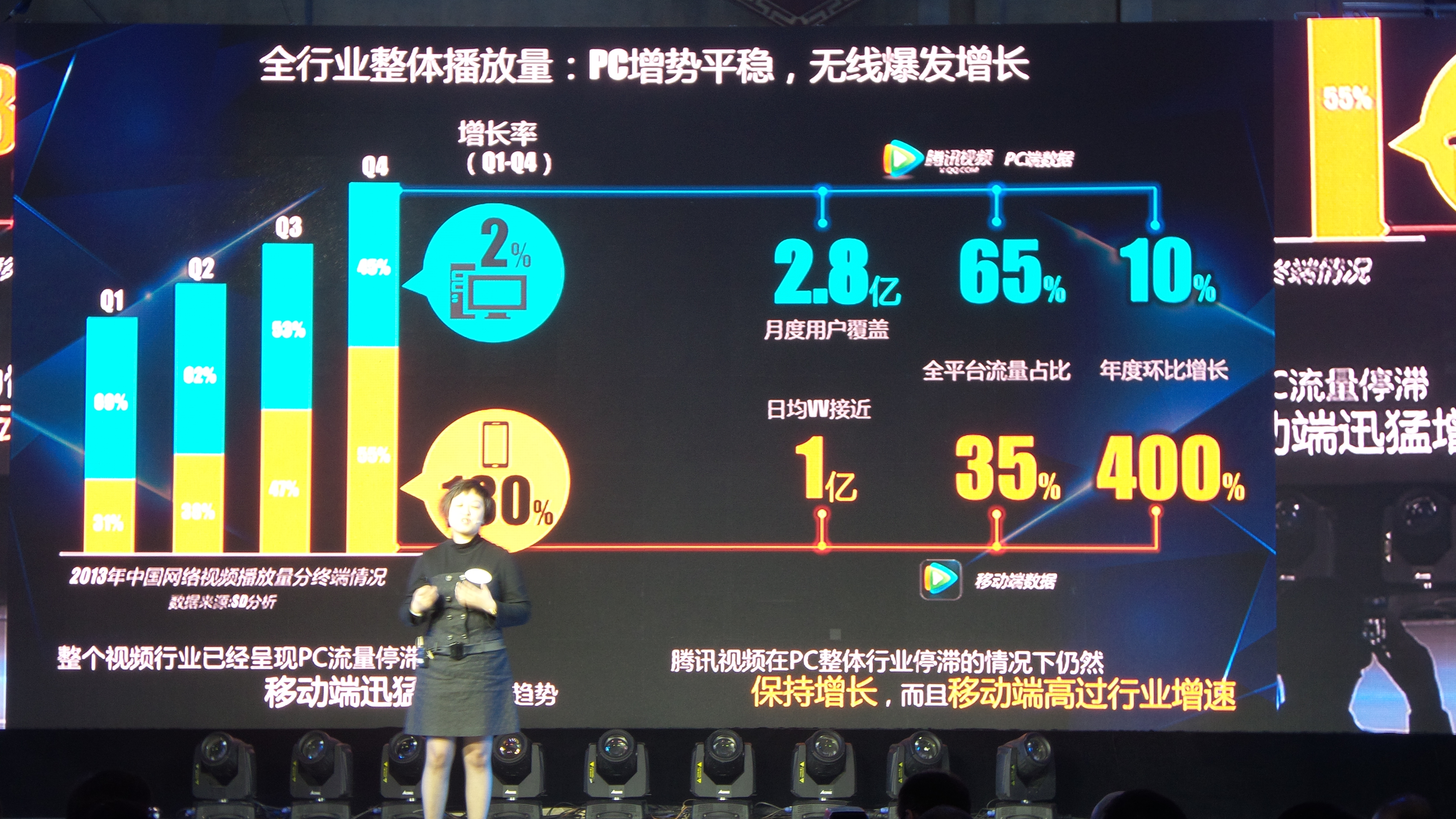
Depending on viewer numbers from PCs is a dead end for every video website. The 400 per cent exponential growth from users accessing Tencent Video from mobile platforms is proof, said Wang.
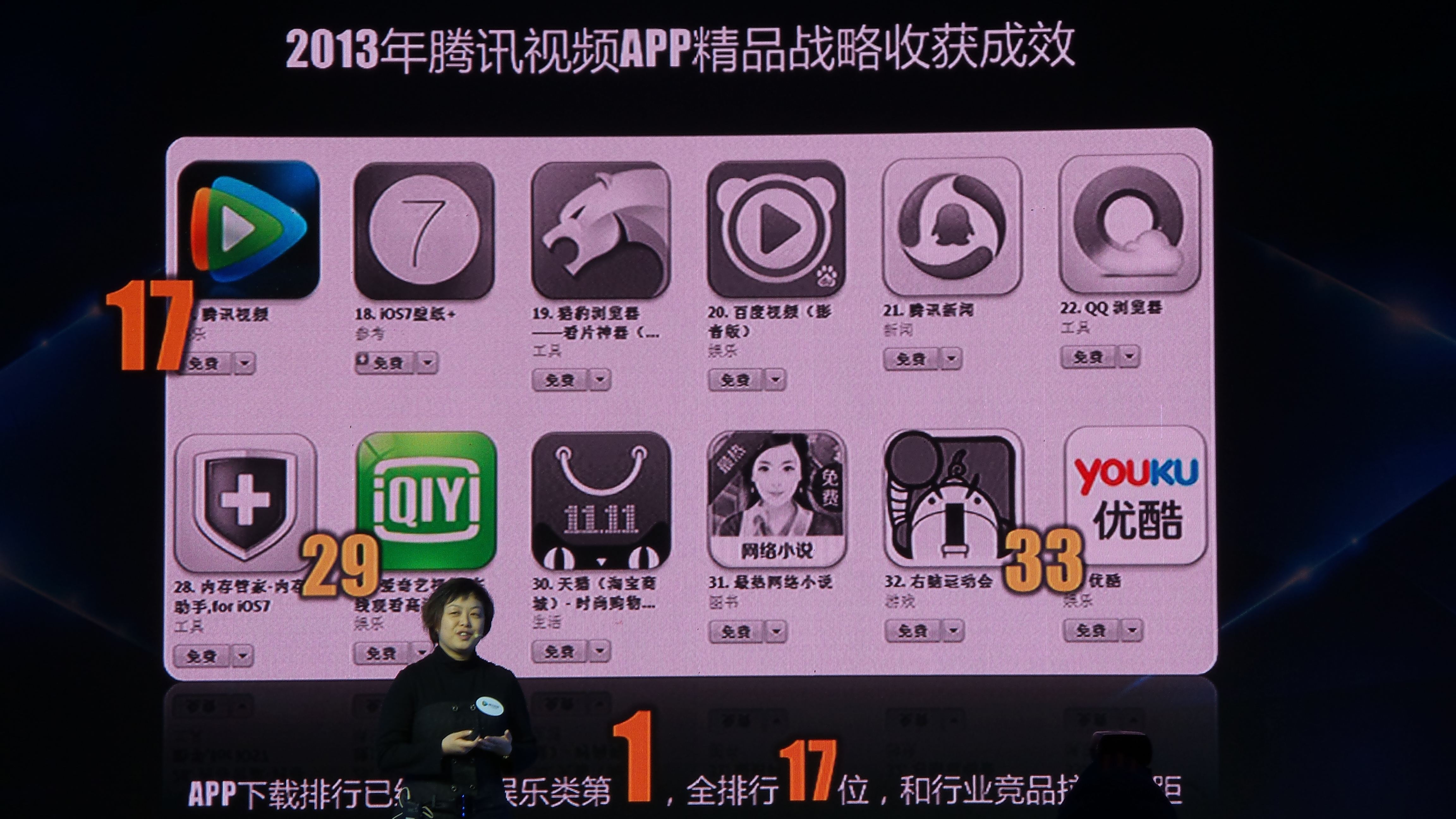
Tencent only started building its video presence in 2011, said Wang, but ranks ahead of rivals iQiyi and Youku in terms of app downloads in the Apple Store.
Within the next three to ten years, online video will become the major mainstream application, in what Wang calls the "big bang" of the video era.
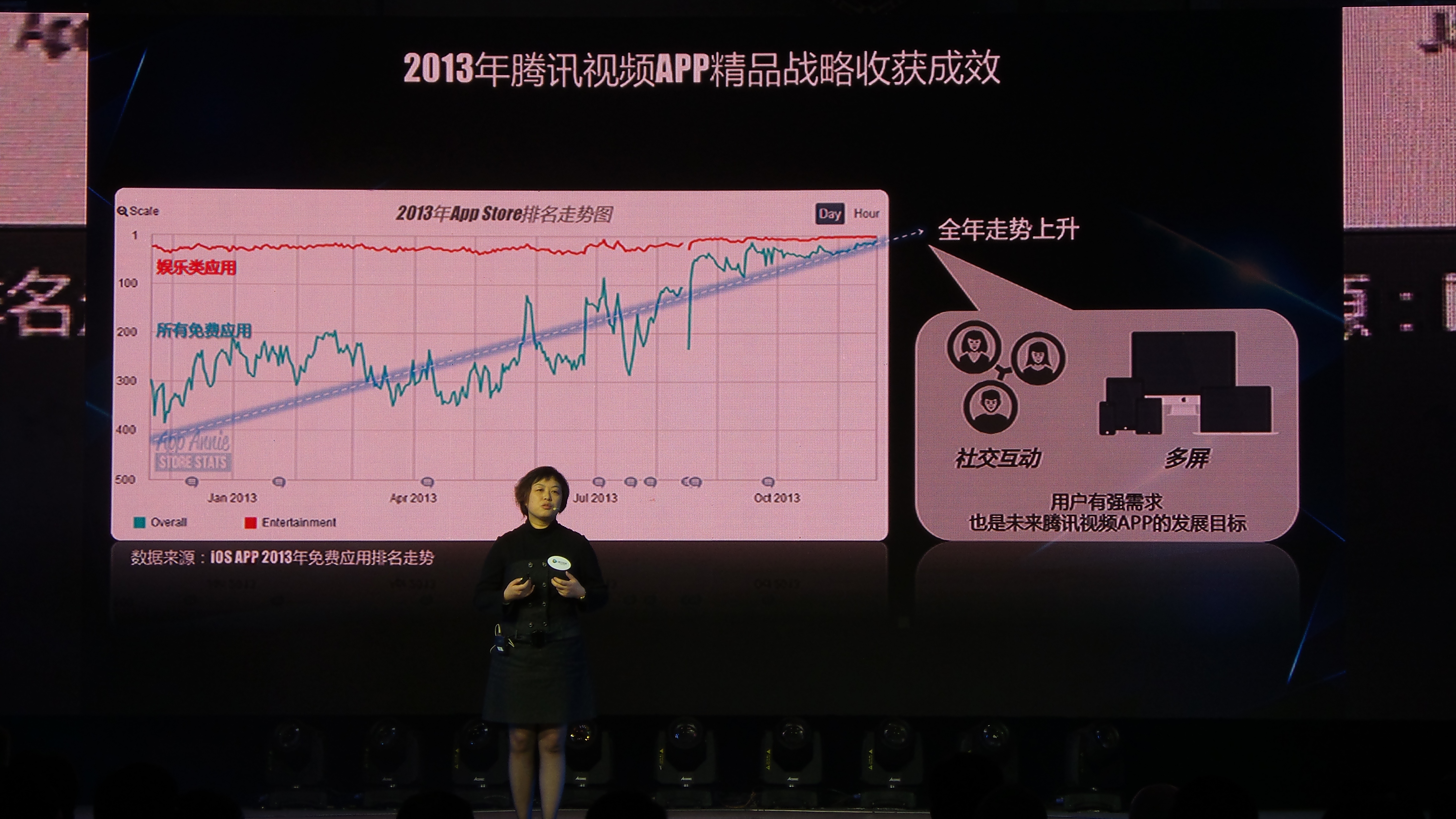
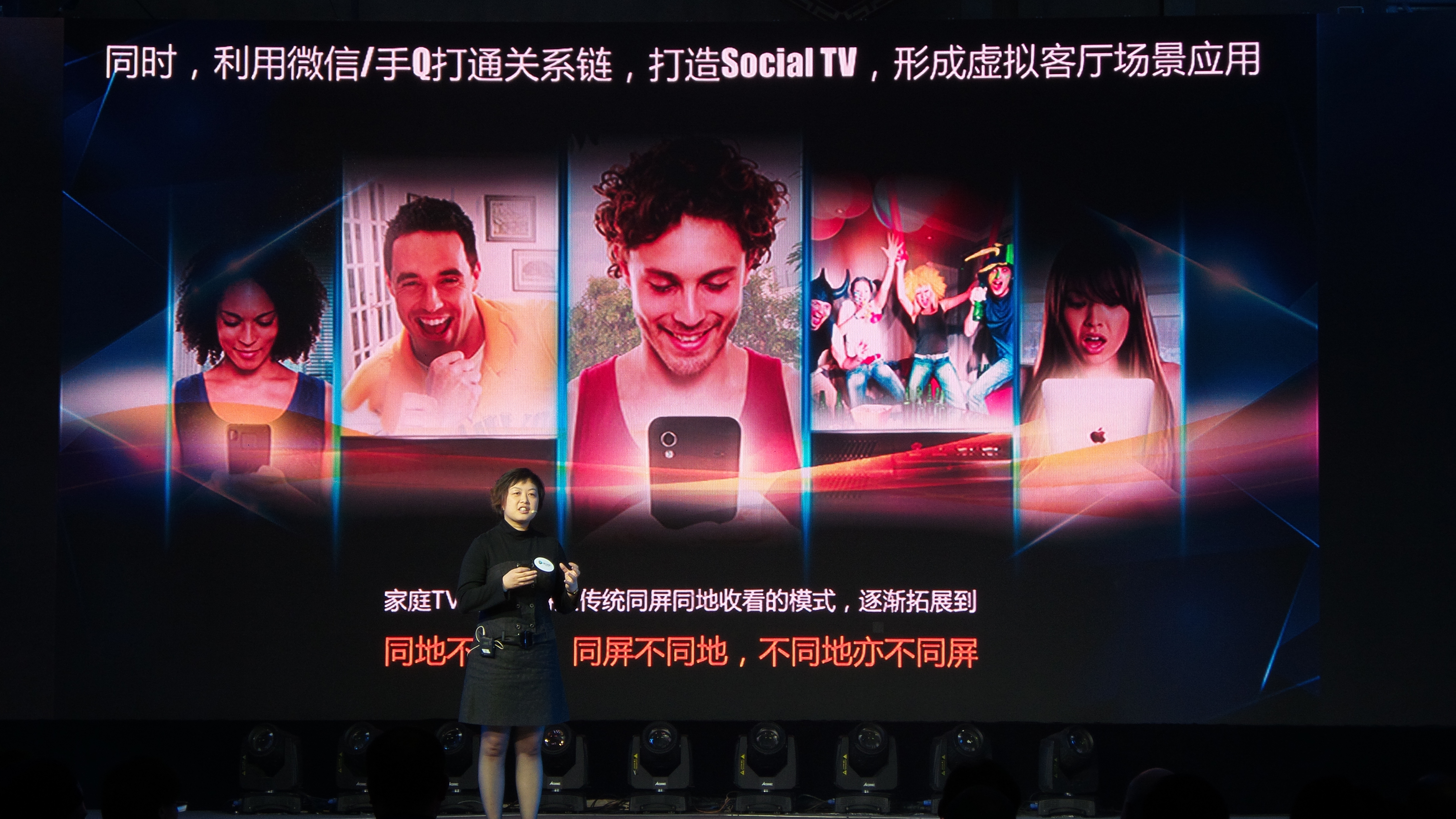
Tencent Video will embark on a "social TV" initiative by utilising its WeChat and QQ services. It is a response to viewers' multi-screen and interactive demands, said Wang, thus forming a closed-loop experience.
Some advertisers that Campaign Asia-Pacific spoke to worry that with so much new content being thrown at the market, audiences will become even more fragmented and microscopic than they already are in China.
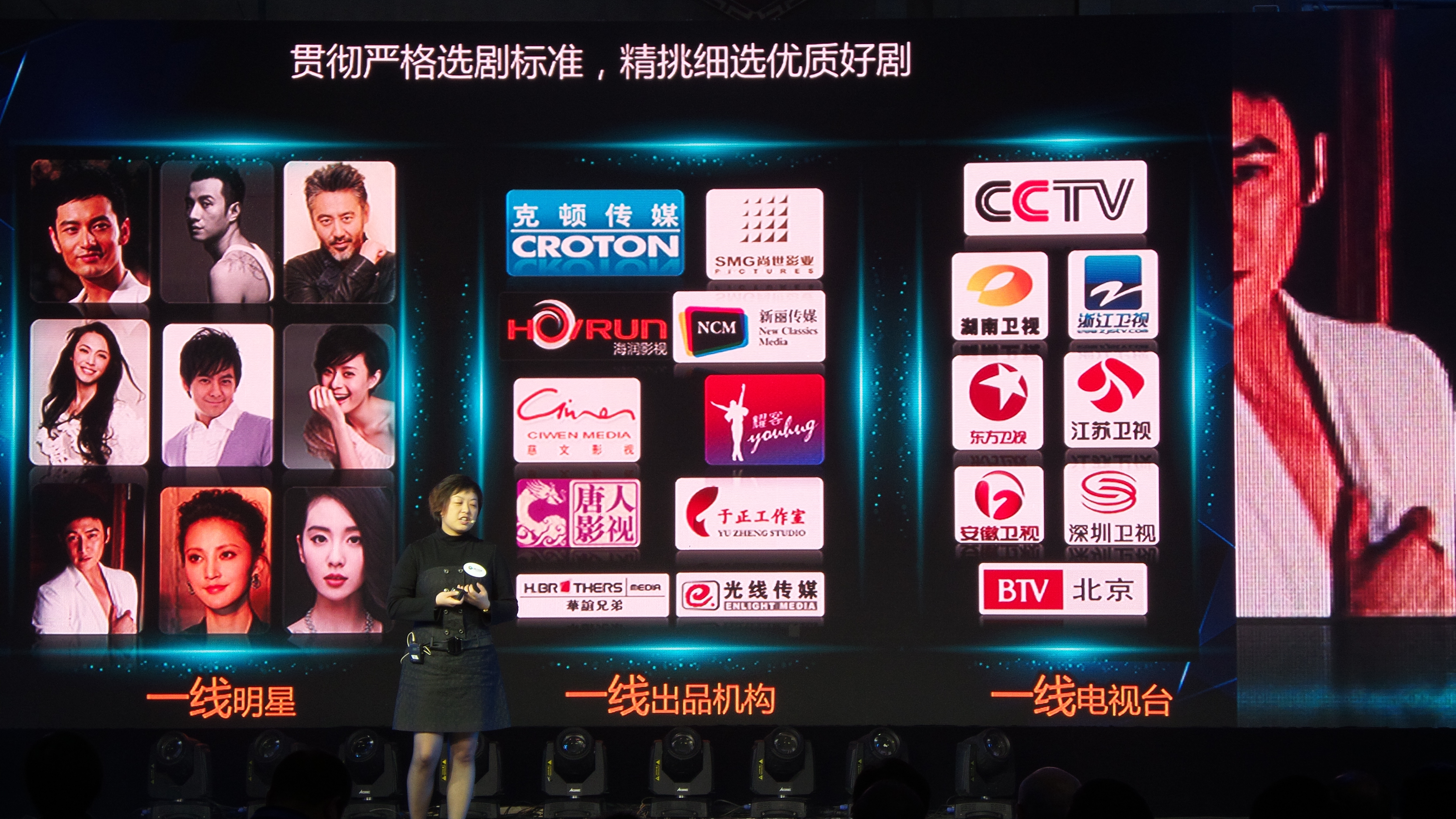
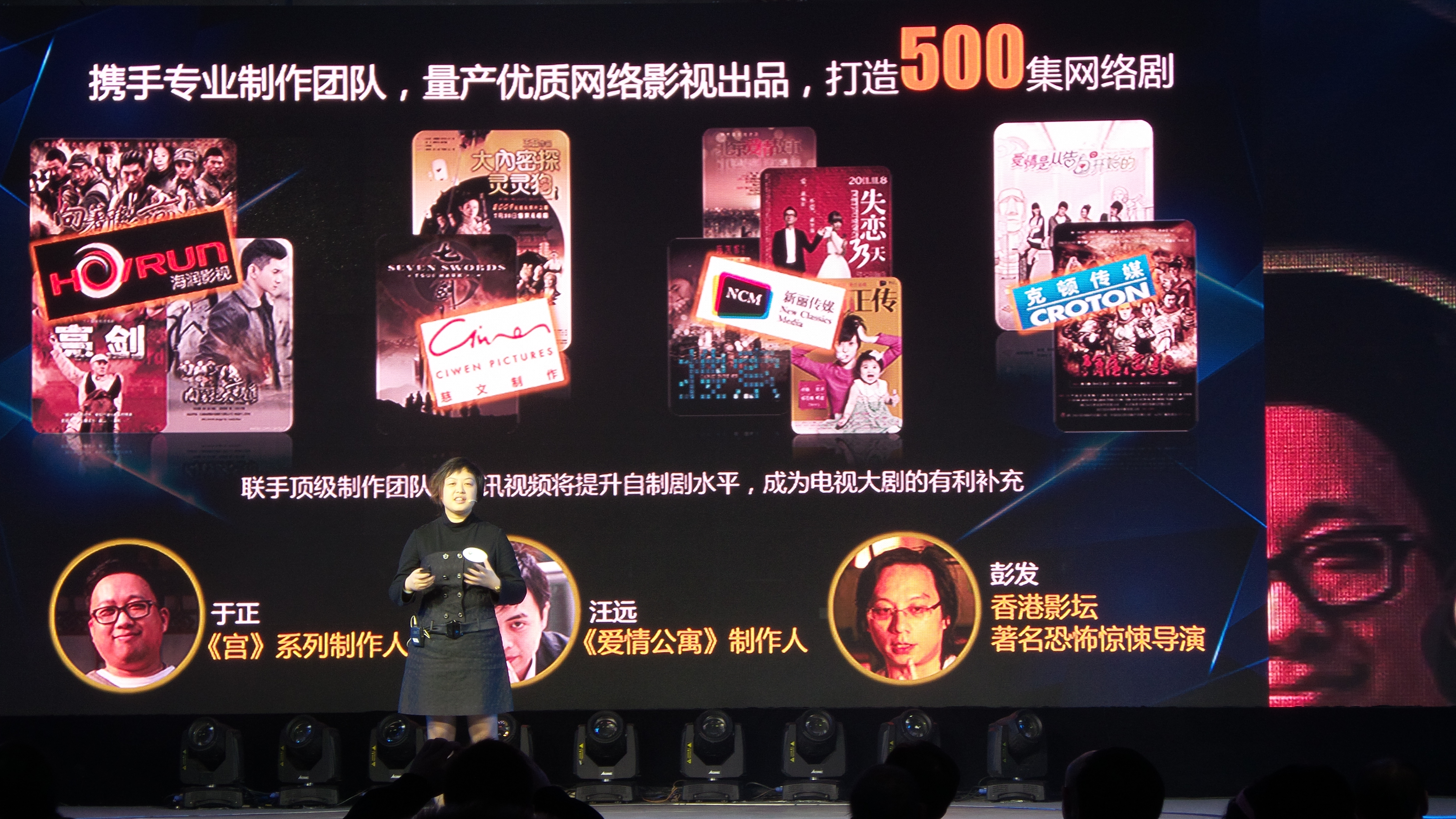
Wang said Tencent Video will only work with the top celebrities, production studios and television stations.
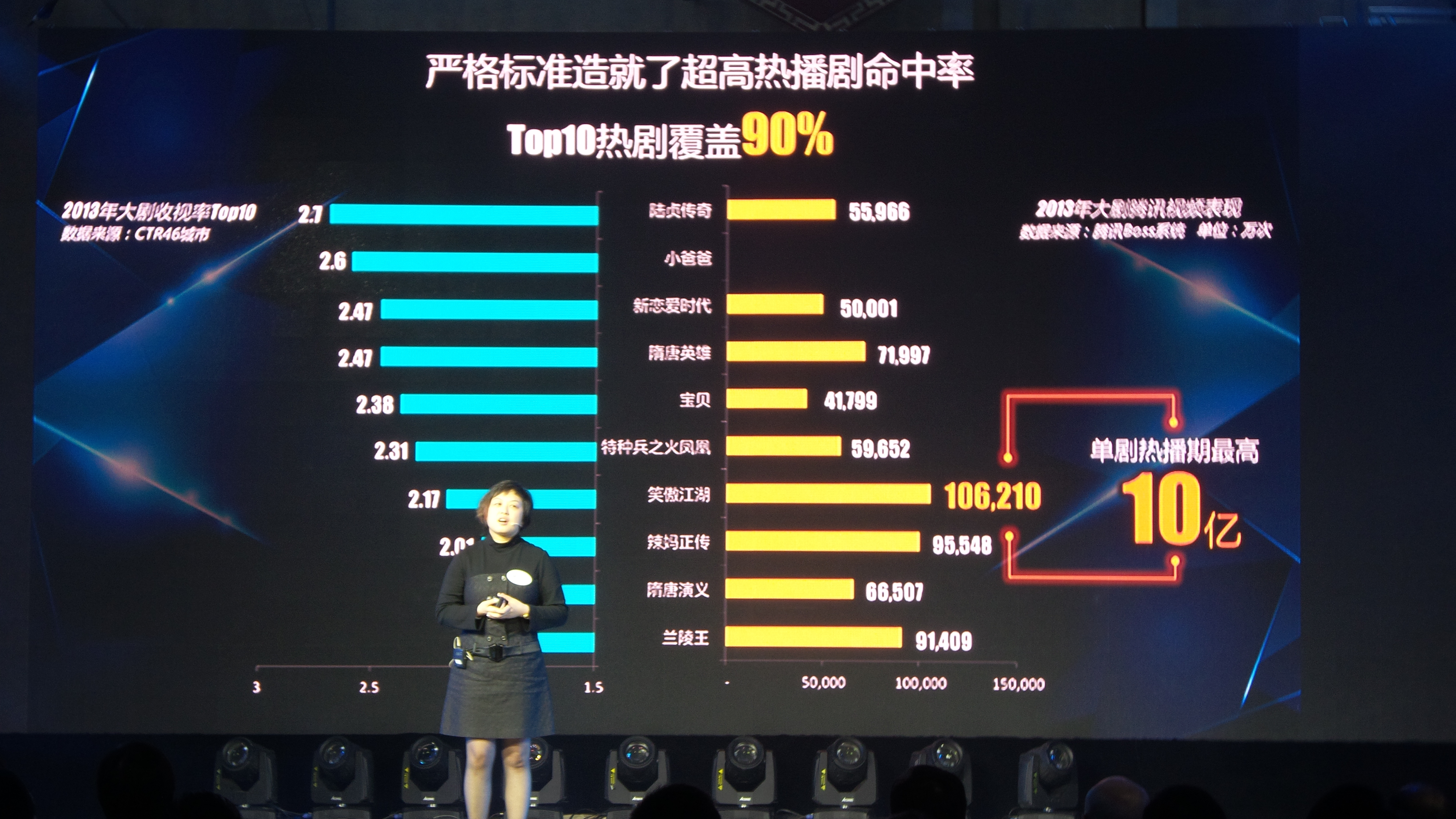
Wang said Tencent missed out on only 10 per cent of the top ten drama series (as rated by CTR) in China.
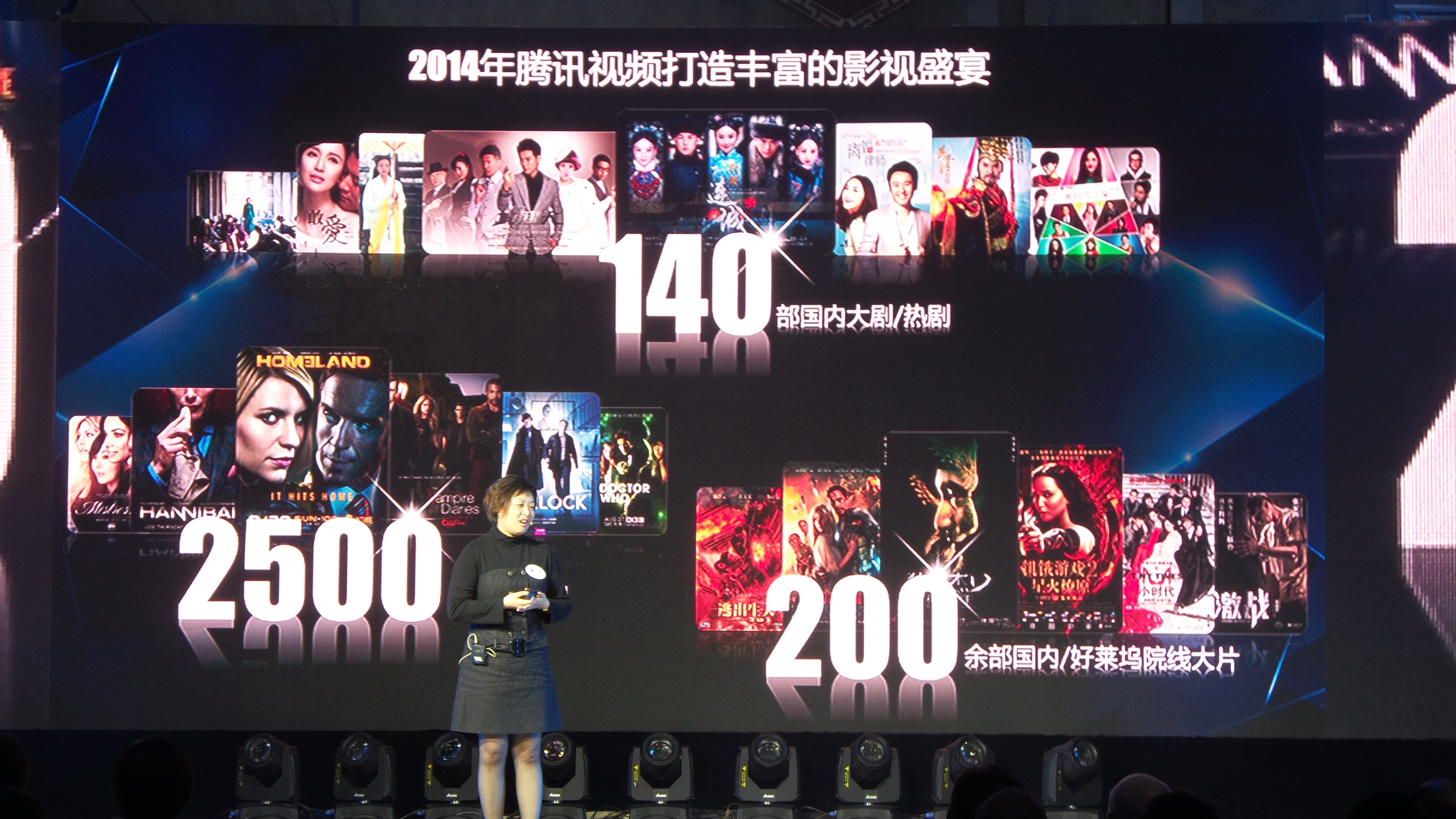
In 2014, viewers will be bombarded with an array of new programs — 140 domestic TV series, 2,500 hours of programs made in the US and UK, and at least 200 Hollywood or local movies.
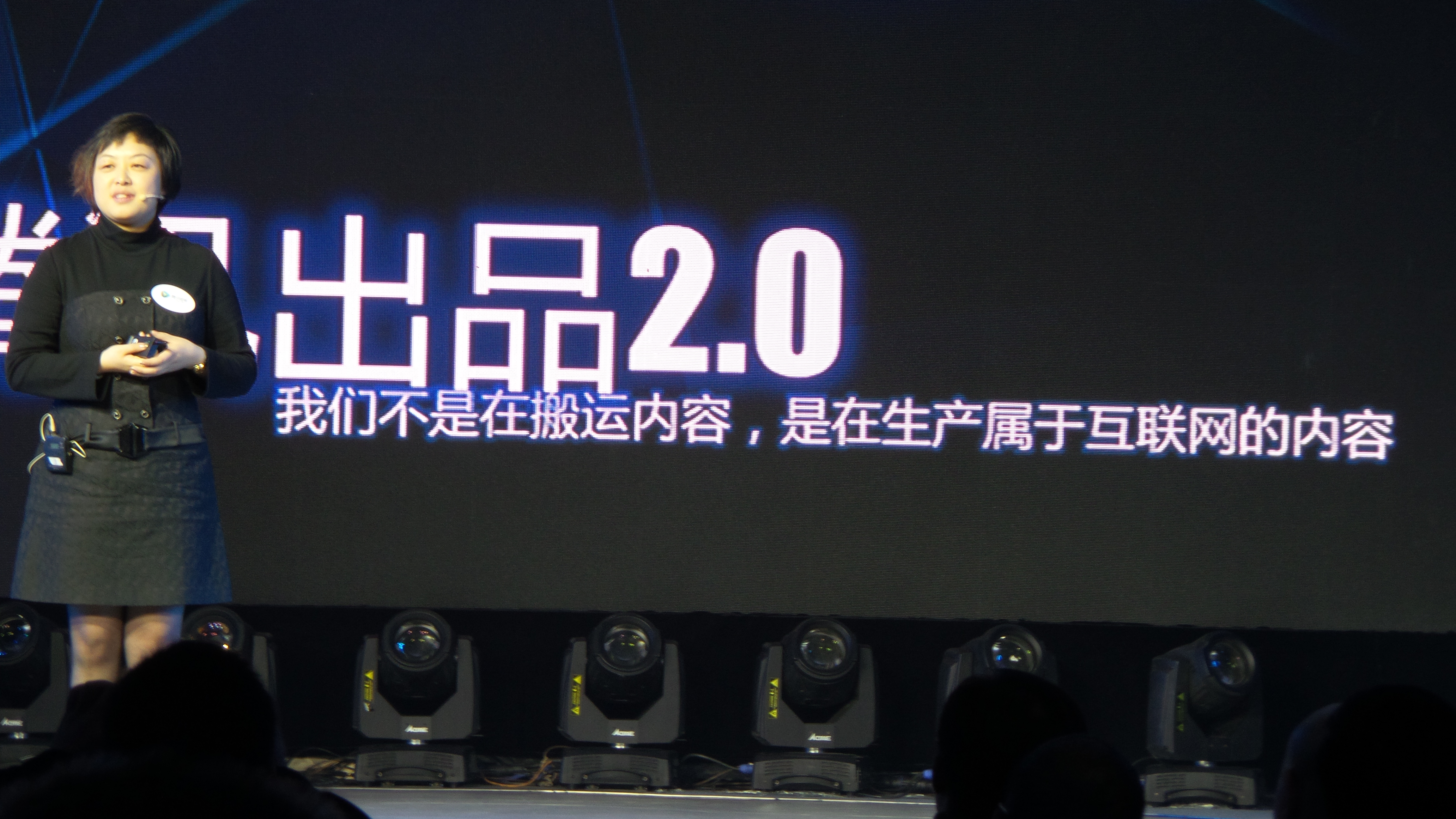
"We are not just duplicating content, but producing content that belongs to the internet," said Wang.
Another lure for advertisers was the promise to make their products a "more integral part" of the shows, pushing the branded content, or branded entertainment envelope.
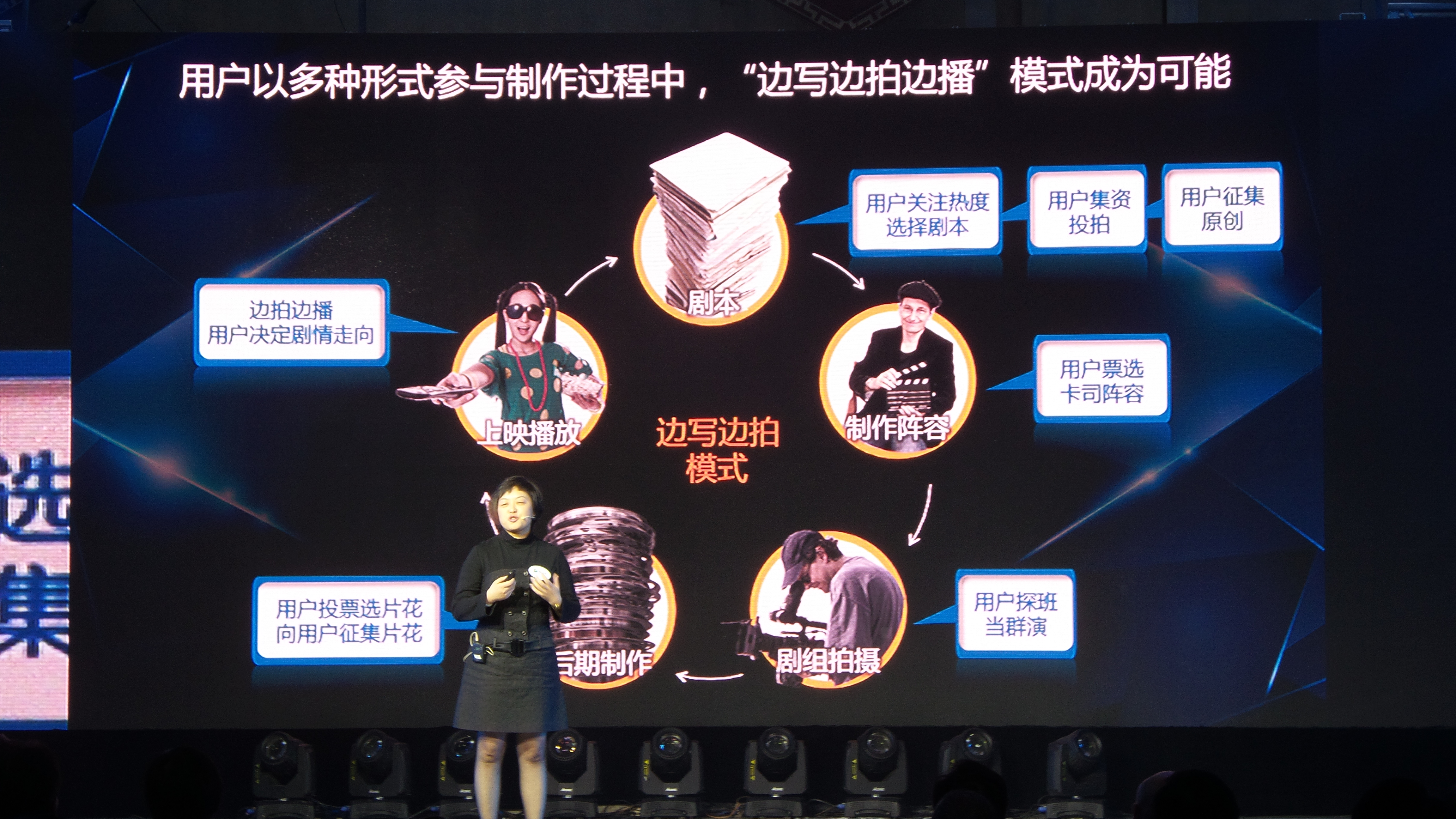
Tencent may attempt to apply the concept of crowdsourcing to its original productions. Viewers get to have a say in the scriptwriting process, actor lineup, and even become part of casual film crew.
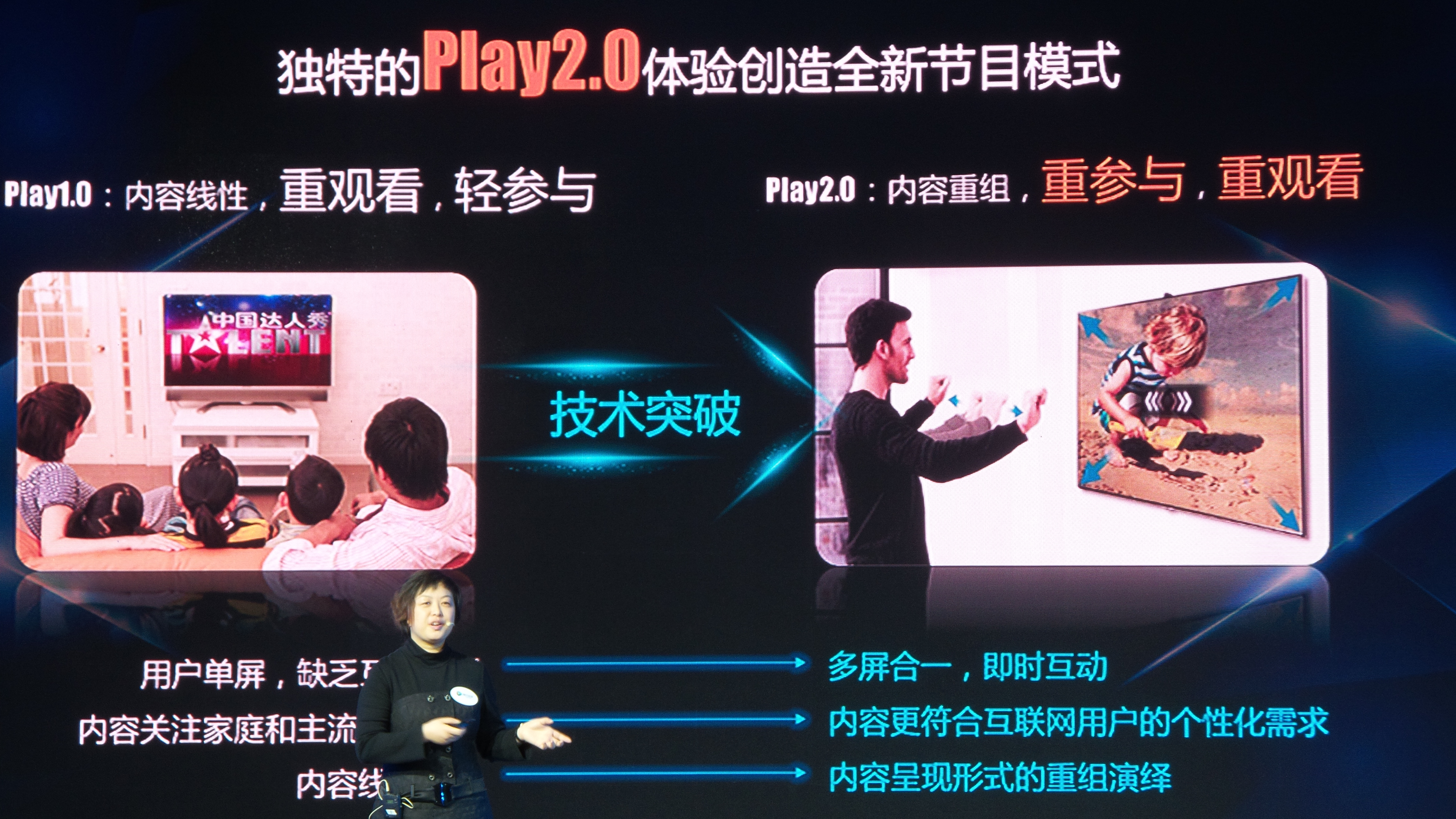
Wang: "Our Play2.0 strategy is about enhancing original programming with interactive aspects. From Play (watching) to Play2.0 (watching + playing), it will be a strategic leap".
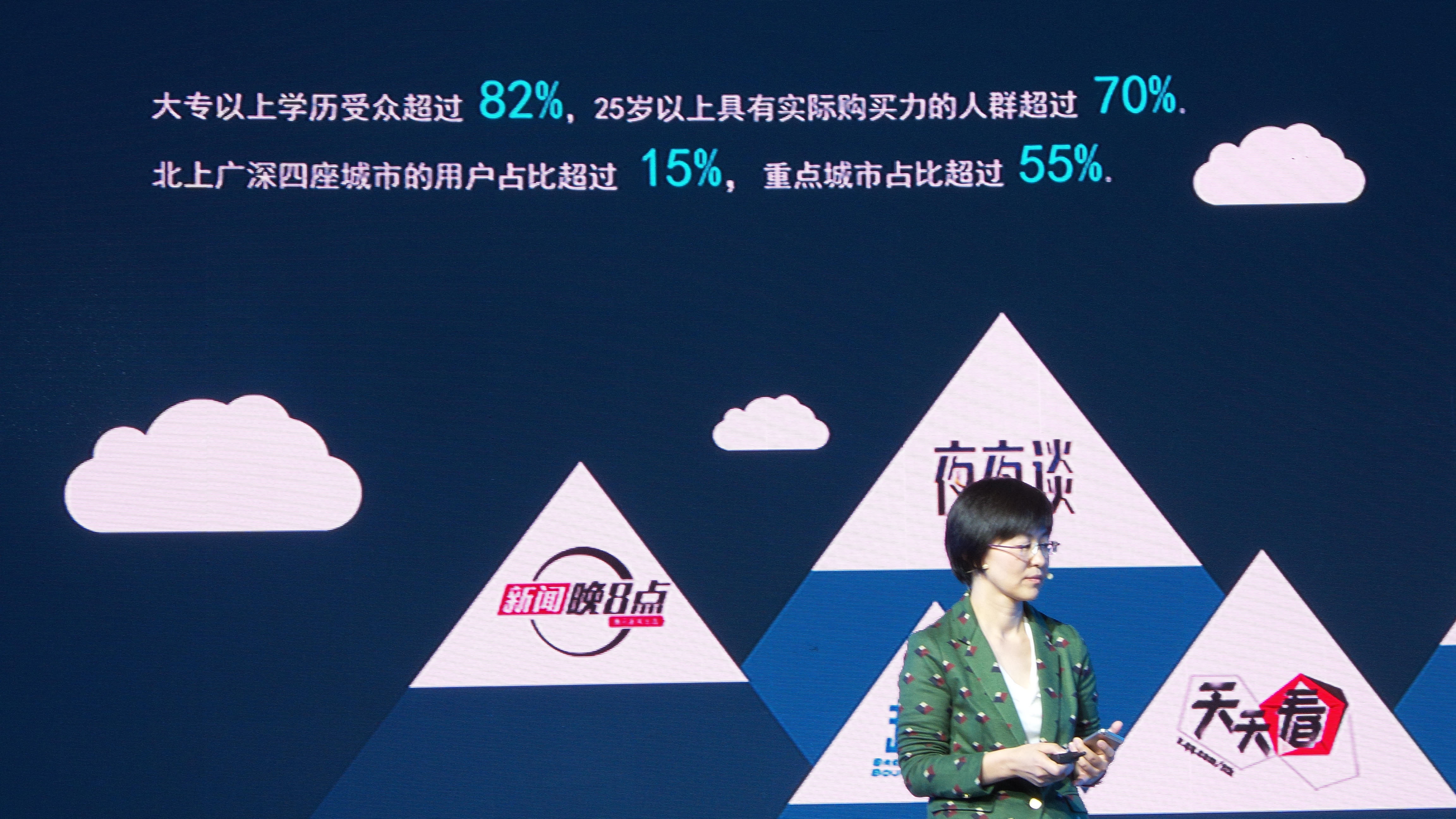
Tencent's Ma Yankun said there were more than 1.3 billion times of brand exposure for advertisers in 2013, while trying to sell the "high-quality" socio-economical demographics of some of its viewer groups.
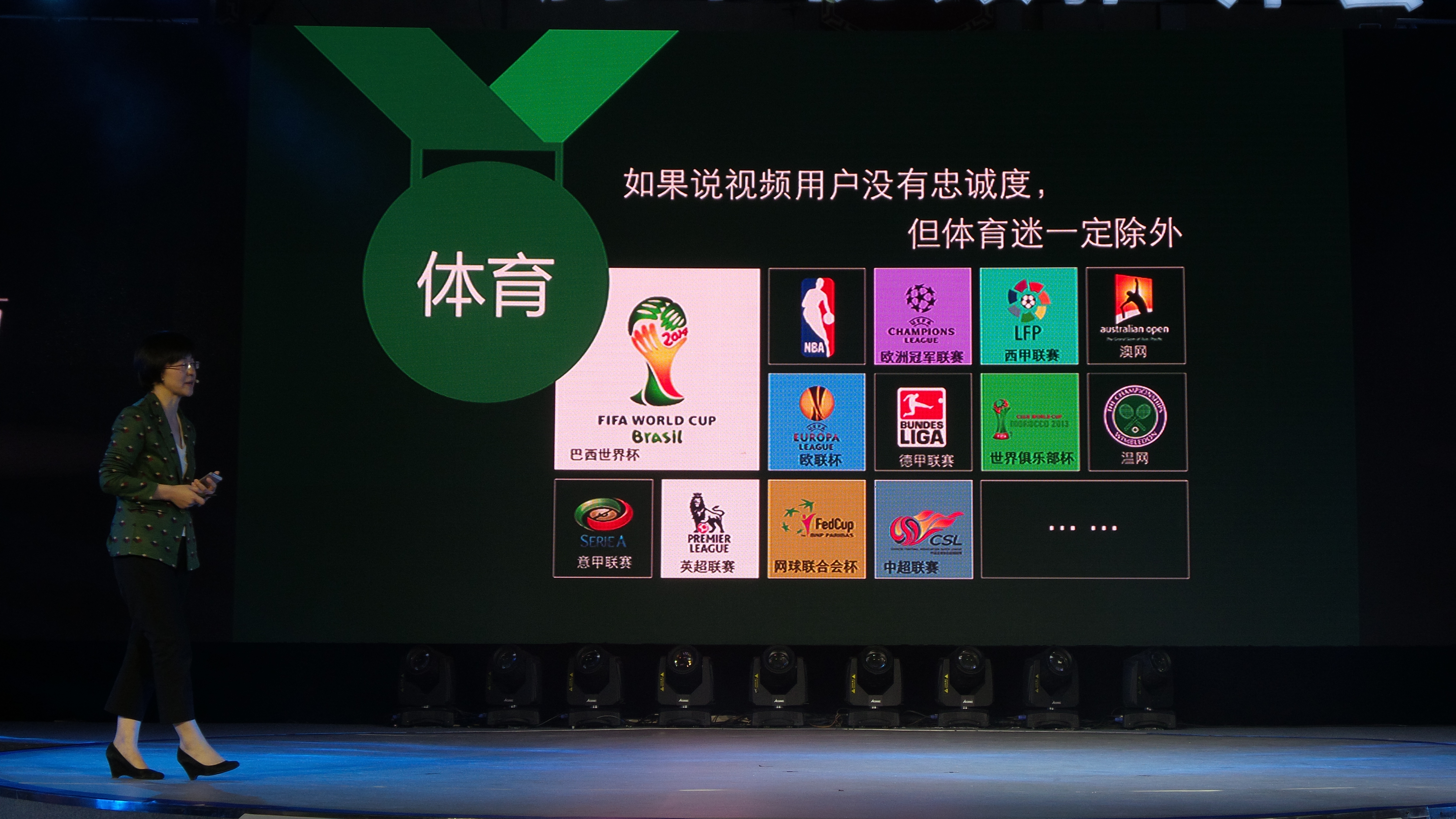
2014, being a bumper year for sporting events, will see Tencent Video create original sports commentary shows to cover the six major European leagues and the NBA games. In addition, there will be live telecasts of the Brazil World Cup on Tencent's Sports vertical.
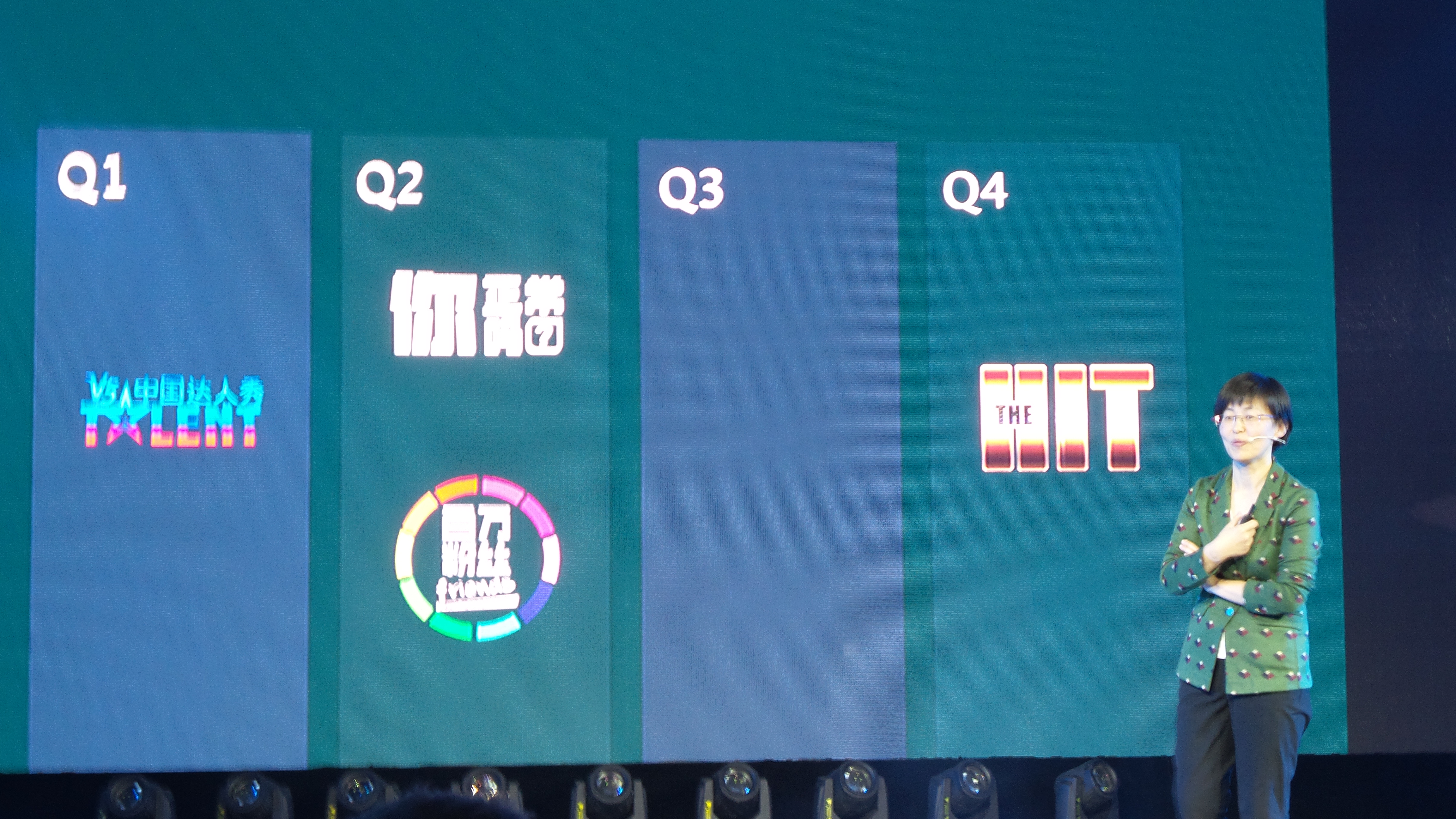
Much of the programming presented, other than expensive plot-driven dramas, followed more of a reality TV or talk show model built around a charismatic host. One of them is an adaptation of Oprah Winfey's 'Are You Normal' for the Chinese market.
Tencent managed to gather big-name advertisers Mengniu and Intel as well as OMD's China CEO to share views and testimonials publicly on stage.
OMD's Siew Ping Lim said online video will penetrate the outdoor screens as well as DTV and smart TV platforms, and big data is all the more needed to link up the different audiences.
Cui Zheng, general manager of Mengniu Dairy's media management centre
David Sun, director of marketing services at Intel China, said what really matters in interactive video marketing is insight, as viewers only participate in what they either love most, or hate most.
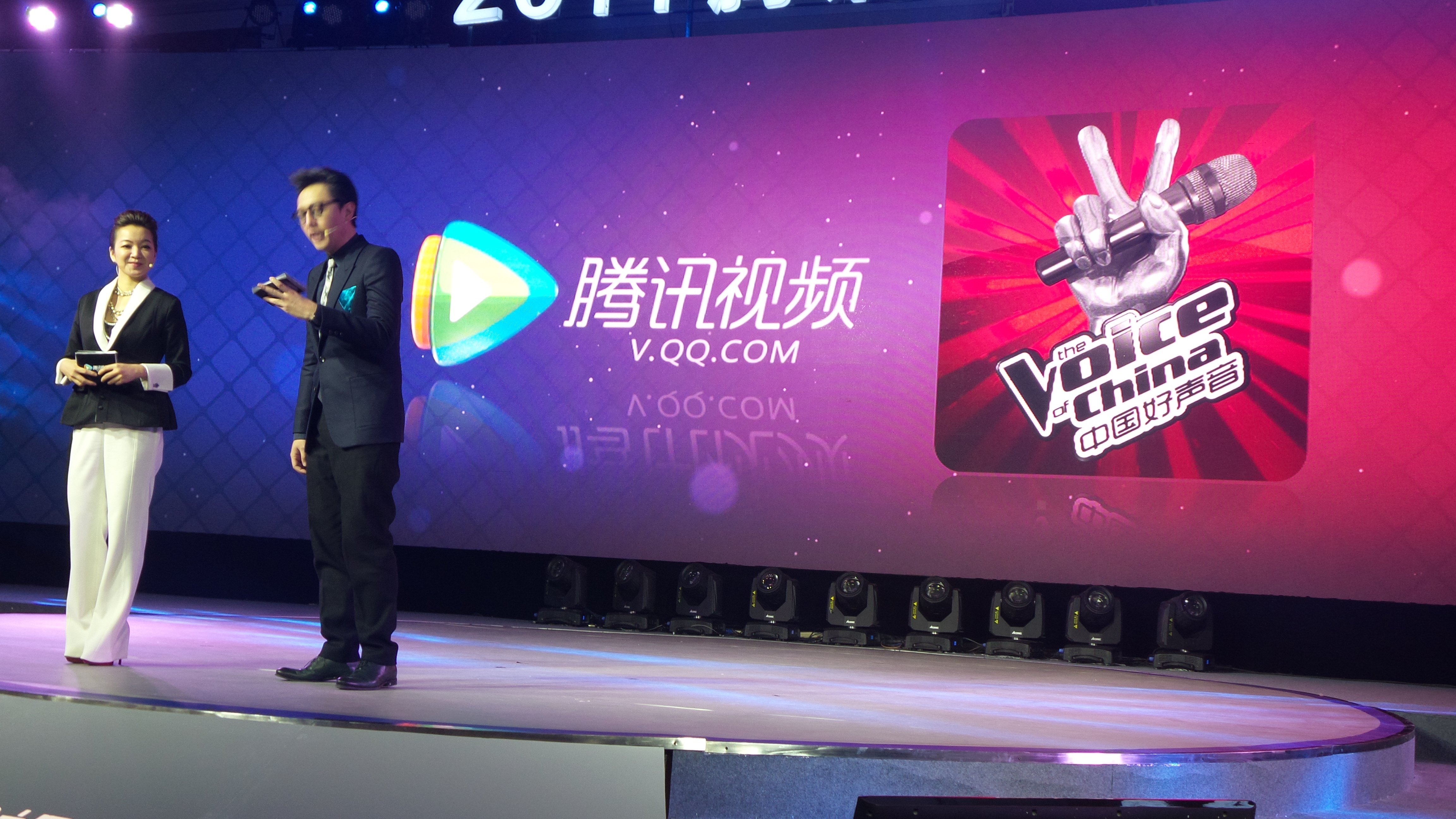
As a finale, Tencent announced after many months of negotiations, it is now the exclusive online broadcaster of Season 3 of singing contest 'The Voice Of China' produced by Zhejiang TV.