

With AI reshaping the way people access information, a company’s reputation shapes demand well before its marketing does. By the time your sales team is in the room, your buyer has already scanned AI-generated summaries, read your customer reviews, seen your latest thought leadership, and heard from your own employees on public platforms. Given that, Bloomberg Media’s Corporate Reputation Study shows that credibility is no longer a nice-to-have; it is permission to play.
Industry leaders gathered at Bloomberg Media’s roundtable to unpack the study’s findings and discuss how to convey a trusted message to their audiences.
The consensus? A strong reputation is built on
consistent messaging, verifiable proof and a distinctly human connection. The
rules of the game are shifting, and a strong corporate
reputation requires playing the long game.
Almost Everyone Wants the Proof
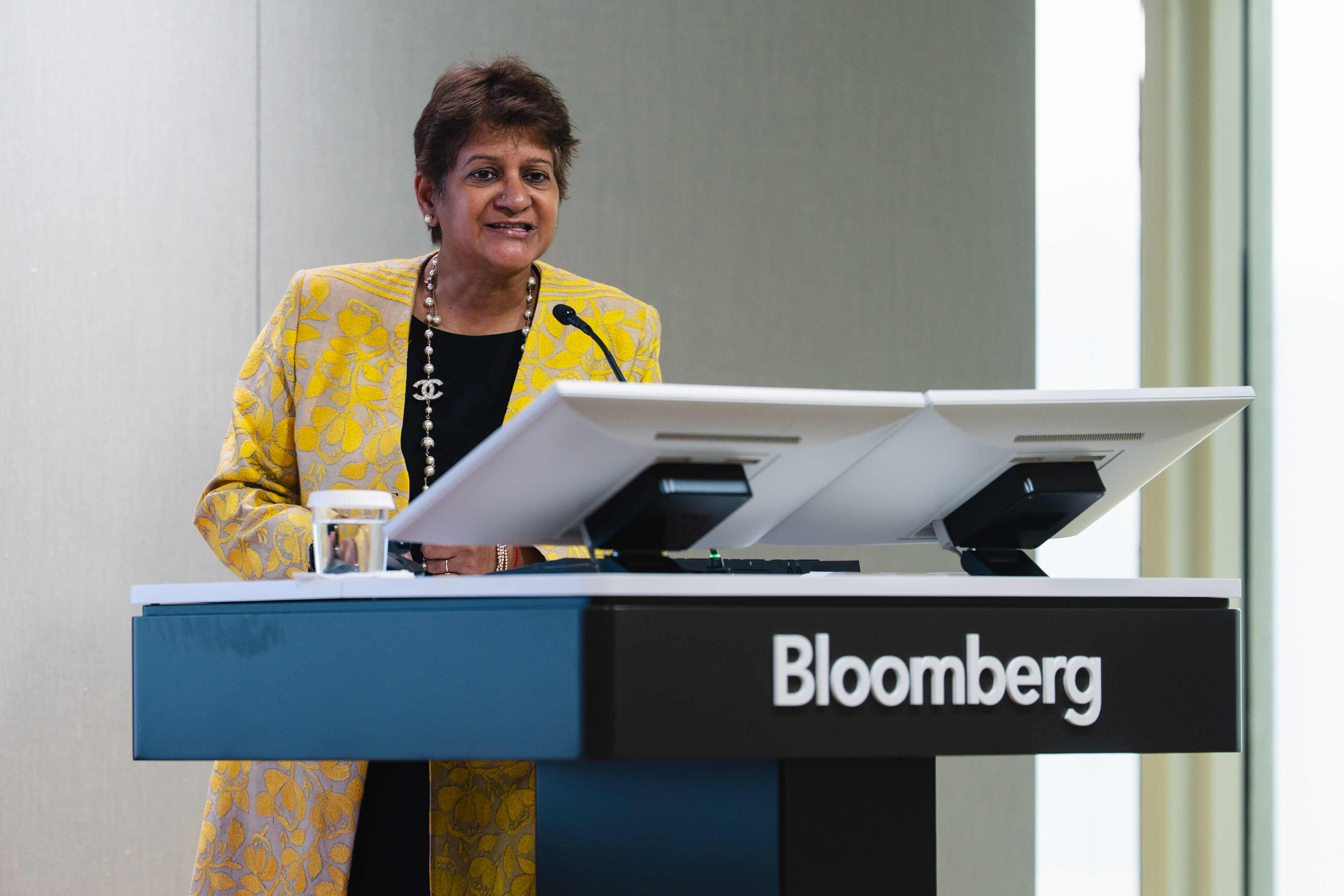
Sunita Rajan of Bloomberg Media opened with the study’s headline finding: 85% of buyers say a strong reputation boosts their confidence in a potential partner. That confidence gives companies the green light to have initial conversations and the ability to command premium pricing.
“It shows that your reputation is already out there before your first meeting,” Rajan said. “Buyers search. They constantly monitor information online. So don’t show fancy slides that don’t align with what’s in the public eye.”
The real shift, however, comes at the final selection stage. Here, 89% of decision makers pointed to evidence of reliability as the number one trigger for conversion, a figure that far outranked any other factor.
Other study findings add nuance. While 76% of buyers
rely on human due diligence and evaluation, only 10% are currently using AI for
the final analysis. “Buyers do not trust AI for the final call,” Rajan noted.
Trust Signals
Marketers can no longer rely on volume of communications to earn a buyer’s confidence. They must show evidence that their thinking is original, grounded in data and independently verifiable before a sales conversation begins.
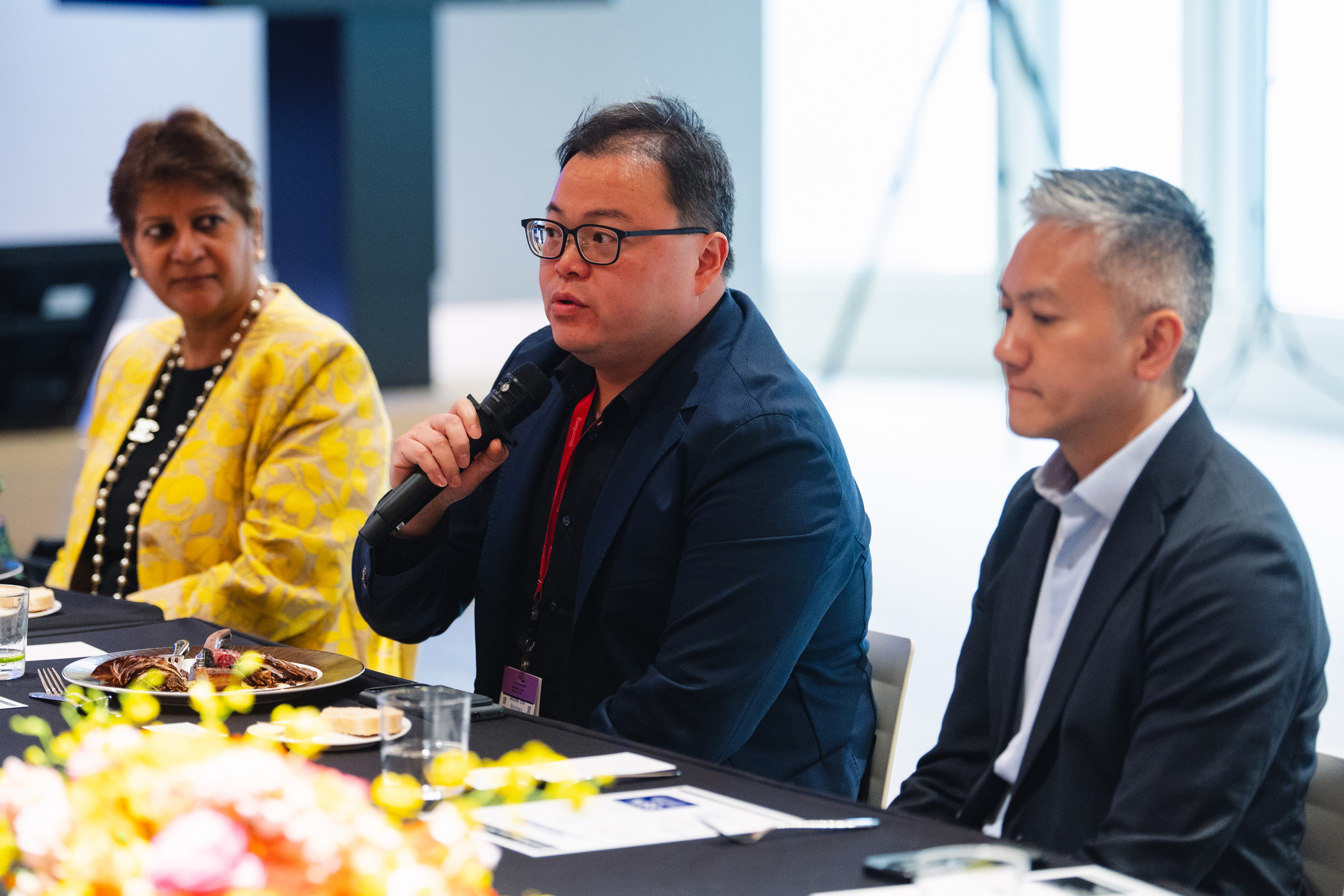
The discussion turned to the practical challenge of separating genuine expertise from generic AI output. Campaign Asia’s editor Nikita Mishra prompted a debate on how AI metrics work, asking whether measurement hinges on mention volume or some other signal. Sunita Rajan of Bloomberg Media underscored that while AI-driven discovery helps, it is substantive evidence, instead of sheer volume, that converts a final selection. She emphasised that moving from brand reputation to a final decision requires thought leadership anchored in verifiable data, validated case studies and the strategic word of mouth that secures long-term trust.
Lawrence Yang, chief executive of Publicis, added that solving real problems is what ultimately captures attention. “Reputation is not just what you say, it is what consumers are talking about,” he said. Many B2B clients focus on solving problems, and they need “content that is relevant to what people are looking for”, and it must appear on reputable platforms. The study findings support Yang’s point: customer reviews and thought leadership rate as the top two channels for influencing buyer consideration and conversion.
Reputation, however, is not built by marketing content
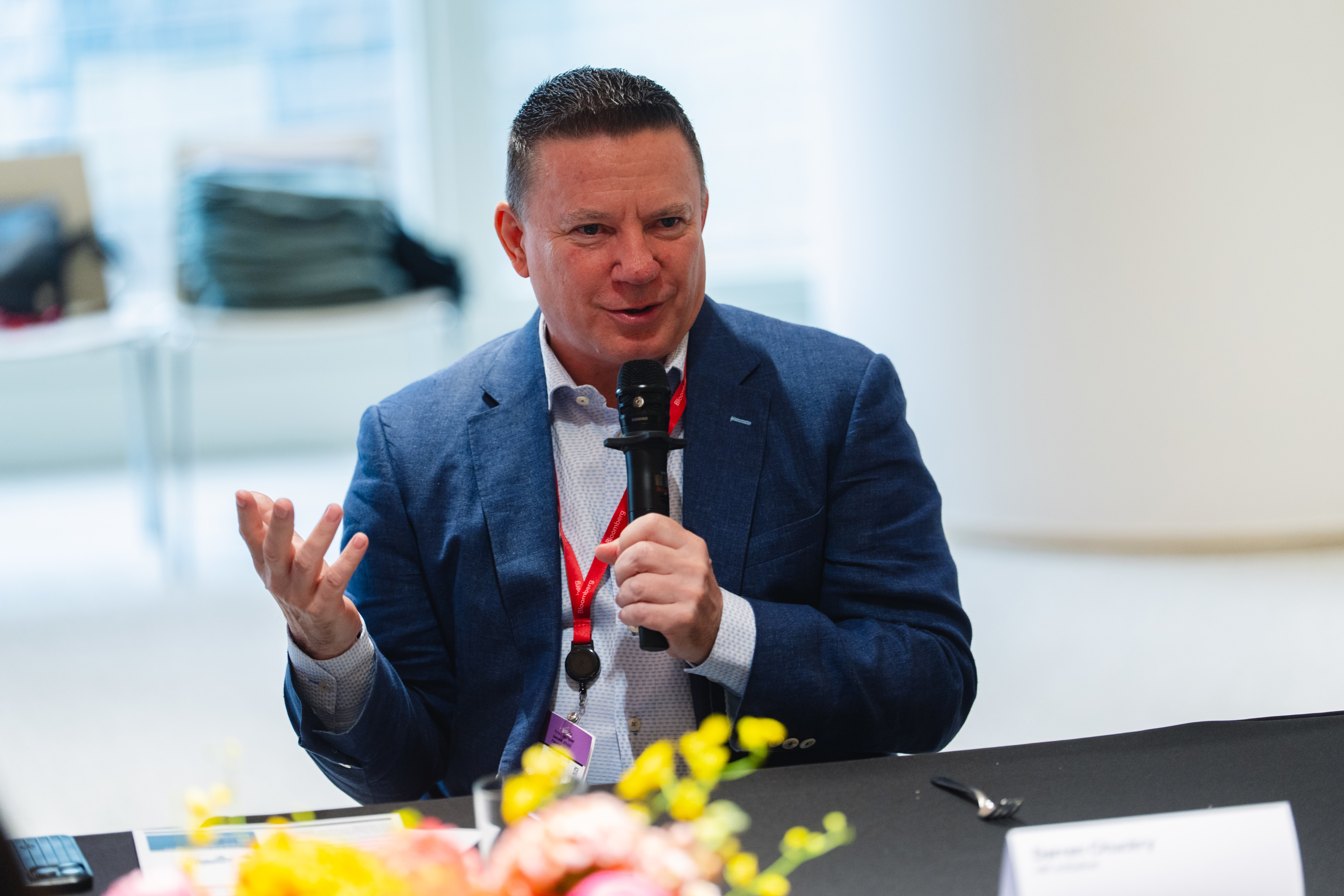
alone. Darren Chuckry, founder of HK Initiative, suggested a more human-centred
view. “Reputation is built through so many small touchpoints,” he said. “From
sales, from interactions, from how other people review. The depth of the
relationship matters. I would love to see further research on how to build a
reputation over time.”
Humans versus AI
As the technology race accelerates, a clear argument is emerging: human creativity and curiosity remain the moat that AI cannot cross. Machines may process data faster, but they do not build trust overnight.
“Human beings have intuition. We can sense whether we are being fooled. Machines need solid evidence,” said Johnny Ng, vice president at WPP. “We have people going out, forming relationships with clients, to make them trust us.” It is safe to say that no algorithm has yet sealed a deal over lunch.
For Adam Martin, vice president at Weber Shandwick, the most important thing agencies should hold on to is the ability to be creative in how they get people's attention. "Creativity is why we keep pushing our people," he said. "It is the human factor." In a world that is drowning in content, you need a hook that is sharp enough to catch attention, and that is where nuance becomes everything. And nuance, he added, still requires a human brain.
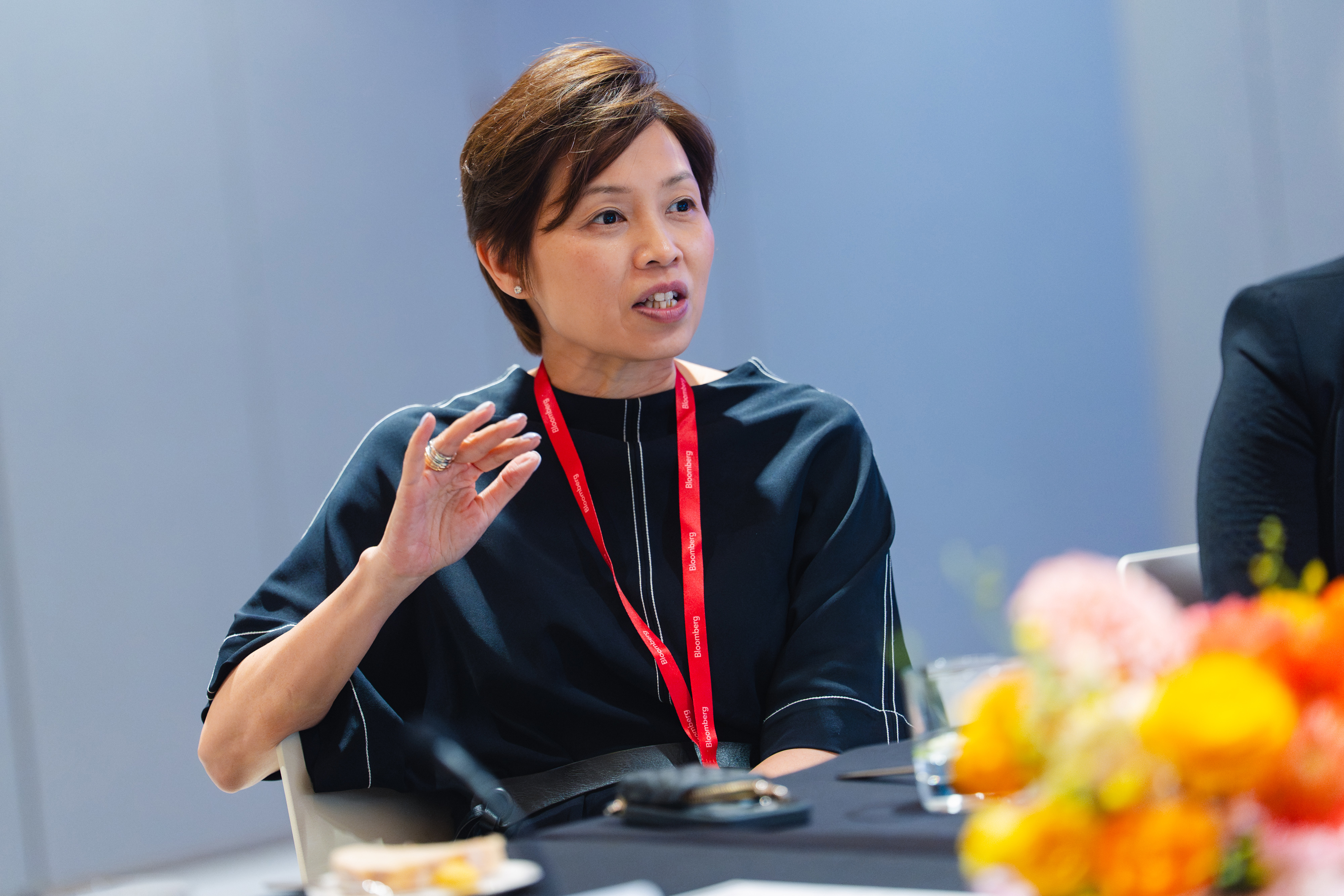
Simone Tam, chief executive of Dentsu, echoed the practical division of labour. As AI learns faster than humans, it can handle tasks that do not demand creativity. The final call, however, needs to be made by a trusted specialist to guarantee quality and consistency, she added.
Darren Chuckry of HK Initiative emphasised that human-centric elements like community and curiosity are the primary drivers of corporate reputation. He explained that a sense of community helps people feel connected to a company, and curiosity drives the company to keep improving and stay relevant. These human qualities provide the authentic proof points that buyers look for, such as ethical conduct and consistent execution. Those are things that AI cannot replicate, and they are exactly what buyers need to see before they are willing to convert.
How AI Helps Deliver Proof
Sunita Rajan gave a direct and uncompromising answer to how AI can help improve your proof points. "Delivering what is promised, and training the large language models," she said.
She emphasised that delivering what is promised in the AI era requires a foundation of data-backed trust. Bloomberg Media utilises its proprietary AI tool, Bloomberg AiQ, to filter vast audience intelligence into targeted, actionable insights that aid in media planning and brand positioning. This methodology ensures a high authority context for brand partners, providing the tangible proof points that effectively bridge the gap between raw data and final selection decisions.
What AI can do, she explained, is help brand partners construct a back context built on data-centric credibility. In other words, ensuring the machines have something solid to say about you when you are not in the room.
All Roads Lead to Trust
Whether the road is paved with human relationships or a large language model, all roads lead to trust.
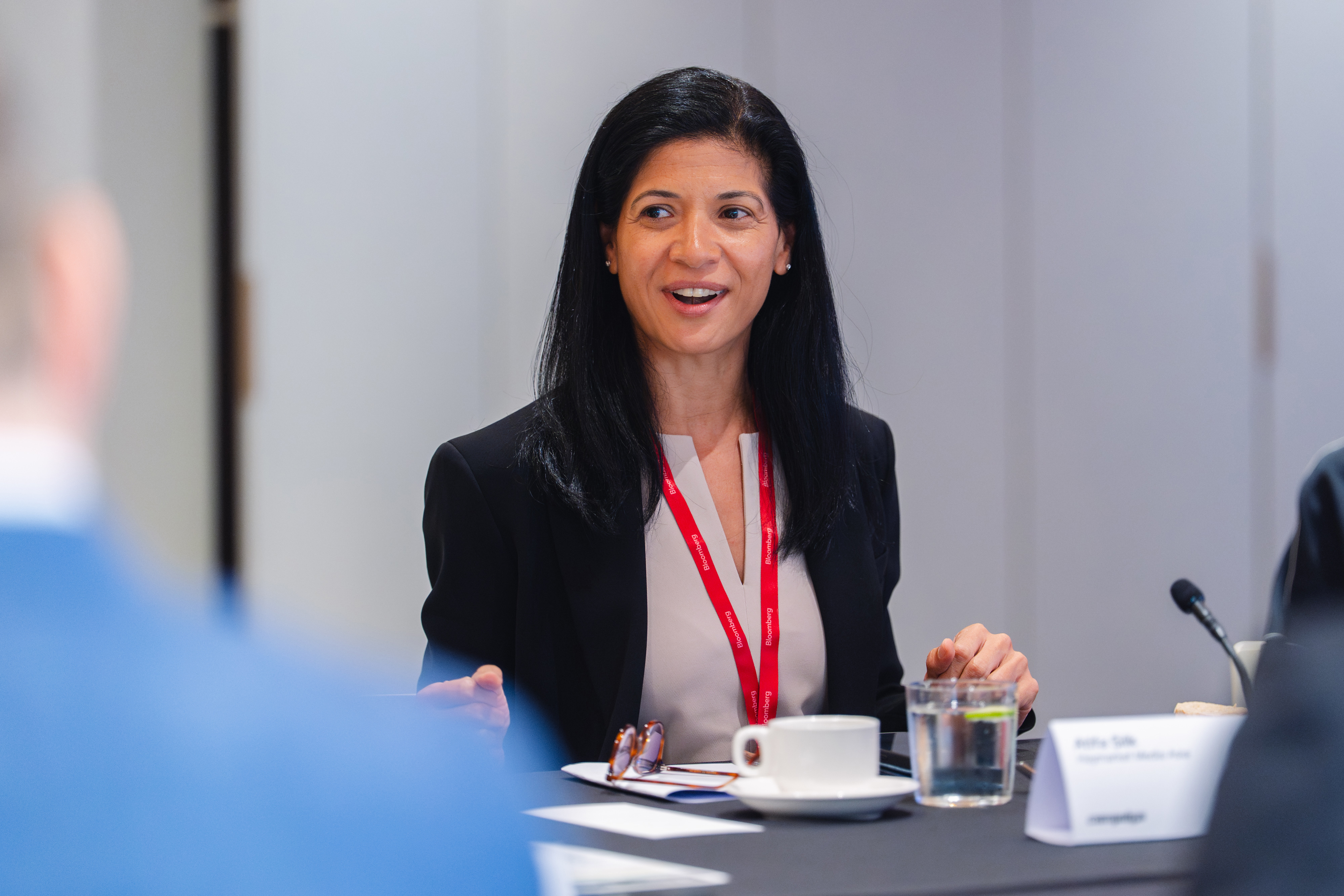
As the roundtable wound down, Atifa Silk, managing director of Haymarket Media Asia and brand director of Campaign Asia, captured the room’s point of view. “All comes back to credibility and trust,” she said. AI, customer reviews and employee voices now set the first impression a company makes. A brand’s public footprint must be consistent, and the evidence behind it must stand up wherever it is interrogated.
In a world where AI can churn out thousands of words but cannot manufacture trust, the takeaway from Bloomberg’s research was refreshingly blunt. Reputation is no longer about being impressive. It is about being continuously, verifiably and humanly reliable, whether the person checking it is a procurement officer in Singapore or a search algorithm in London.
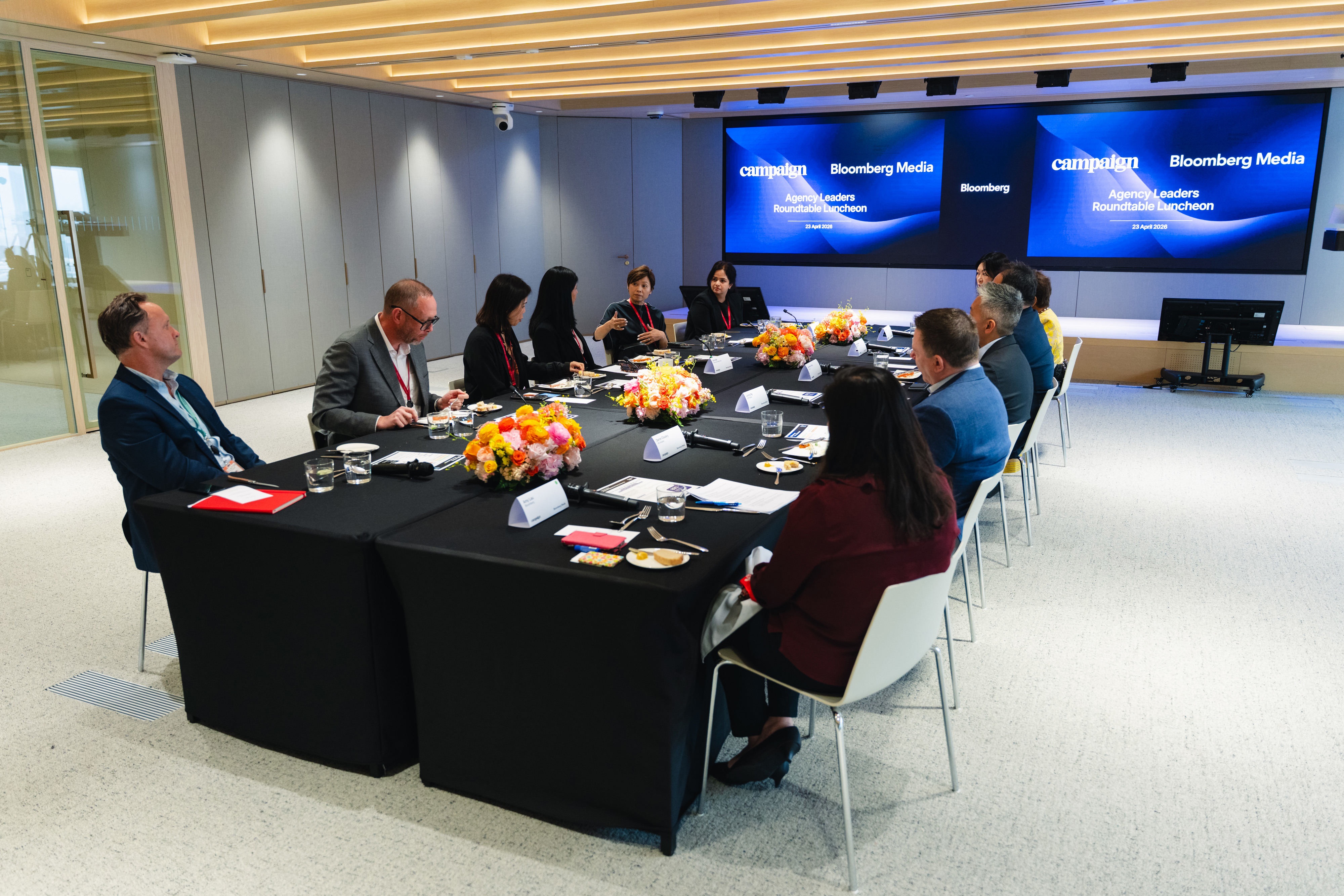
Round Table Title: When Reputation Seals the Deal: How Credibility Drives B2B Decisions
Participants: Anita Cheung, managing director of SPRG; Sunita Rajan, Bloomberg Media head of APAC media sales and marketing; Lawrence Yang, chief executive of Publicis; Johnny Ng, vice president at WPP; Darren Chuckry, founder and managing director of HK Initiative; Amy Lau, Head of Data Science & Insights, Bloomberg Media APAC; Nikita Mishra, editor of Campaign Asia; Simone Tam, chief executive, GBA of Dentsu; Atifa Silk, managing director of Campaign Asia; Amanda Cheung, managing director and head of Teneo; Adam Martin, vice president at Weber Shandwick; and Clinton O’Conner, director of media sales for North Asia at Bloomberg Media.