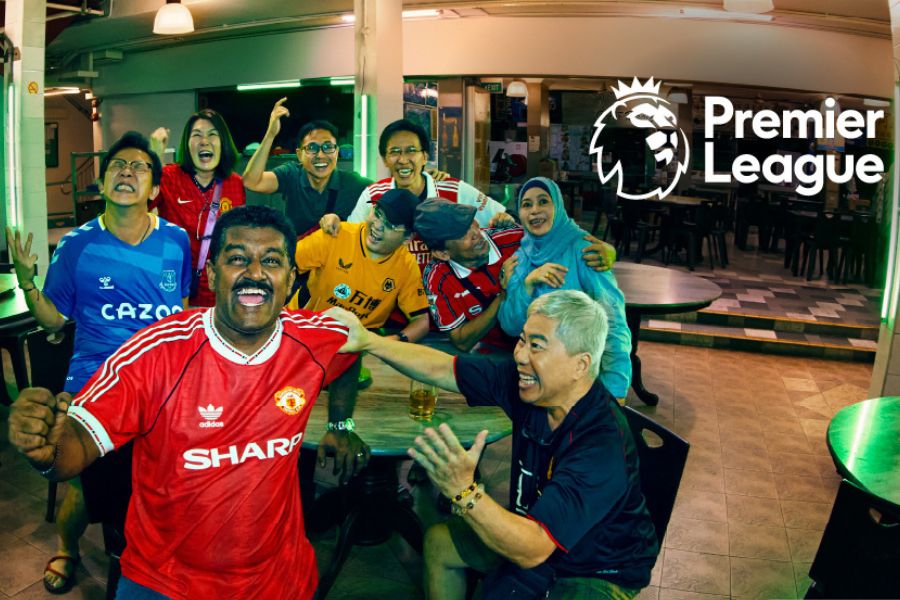
For Singapore’s largest pay-TV operator, the exclusive rights to broadcast the most popular football league in the city-state has been a mainstay and one of the jewels in its suite of programming. The Singaporean cable operator has been broadcasting matches from English football’s top division since 1997.
Following the latest submission of bids for the broadcast rights, it would appear that trying to outspend rival SingTel for the rights again was the last straw. Kathleen Syron, head of content at StarHub, said: “While we are committed to offering quality sports content, we are mindful of the balance in meeting consumers’ expectations with regard to price, and shareholders’ expectations in terms of profits. Presently our sports package is priced below the cost of the content that makes up that package. Our bid for BPL was aggressive, but also made with the intent to hold retail prices stable.”
ESPN Star Sports will also be shifting a suite of its sports channels and programmes over to SingTel’s Mio TV, thereby causing StarHub to lose its status as the go-to platform for premier sports content in the Lion City. It is expected to lose subscribers - not least because SingTel will offer a BPL package next season that is about 60 per cent cheaper than StarHub’s when all extras are included.
Despite the cost of showing the BPL, StarHub’s pay-TV business has been healthy, as results from its last financial statement showed that revenue had jumped 17 per cent to US$284 million in its 2008 financial year. StarHub’s pay-TV customer base at the end of 2008 had grown four per cent year on year to 524,000, dwarfing Mio TV’s subscribers by a five-to-one ratio.
With the expected mass exodus of BPL subscribers next season, will StarHub’s status as the leading pay-TV operator in Singapore now be threatened?
Yvette Lim, strategy director, Euro RSCG Singapore and Shop@Euro
“StarHub has become a victim of its own success. Back in 1999, when it offered the very first free dial-up surf plan, it became to me the quintessential dark horse that broke SingTel’s monopolistic stranglehold on the telecom industry. Year after year, the ‘innovative challenger’ mentality spurred StarHub to break new ground with industry firsts - per second billing, internet broadband, free IDD and BlackBerry services.
In little over a decade, it seems the roles are now reversed - with SingTel becoming the upstart challenger in the cable wars.
The loss of the BPL rights is a wake-up call for StarHub to re-ignite its brand DNA of being their customers’ ally. Beyond football fans’ fury around inconvenience and cost, the real source of anger lies in the feeling that the only party really to lose in this battle is the consumer.
The waiver of penalty charges on premature termination of cable TV contracts signed before 1 October is a good first step, along with CEO Terry Clontz’s support of a move to a single, universal set-top box. But most importantly, StarHub needs more than ever to return to its ‘customer first’ fundamentals.
Make me remember why I like being a StarHub customer.”
Pete Heskett, Southeast Asia planning director, JWT
“What a difference a bit of competition makes. With StarHub having a near monopoly of the pay-TV market in the past, its pay-TV brand seems to have become complacent and now needs to get back to the pioneering spirit which made it a success in the first place.
There are two key strategies. First, limit the damage - StarHub needs innovation to ensure that consumers defect to SingTel for the BPL alone and not for other areas.
The company needs to lead by innovating for the local consumer who wants to access their content through a combination of TV, mobile and the internet.
StarHub’s OnDemand platform has potential here but is an underexploited asset. HDTV is a great opportunity to drive added value and new revenue, but provision is currently very limited. These are areas StarHub could look at. Also, what is StarHub’s answer to the fact that YouTube is starting to stream HD-quality video?
Second, StarHub needs to seek new revenue streams. Penetration of pay-TV in Singapore is roughly 60 per cent of households. So how can StarHub bring in new users?
The Freeview service in the UK, which has driven penetration of digital TV by lowering the cost of entry, could be a solution.”
Got a view?
Email Feedback@media.asia
This article was originally published in 22 October 2009 issue of Media.