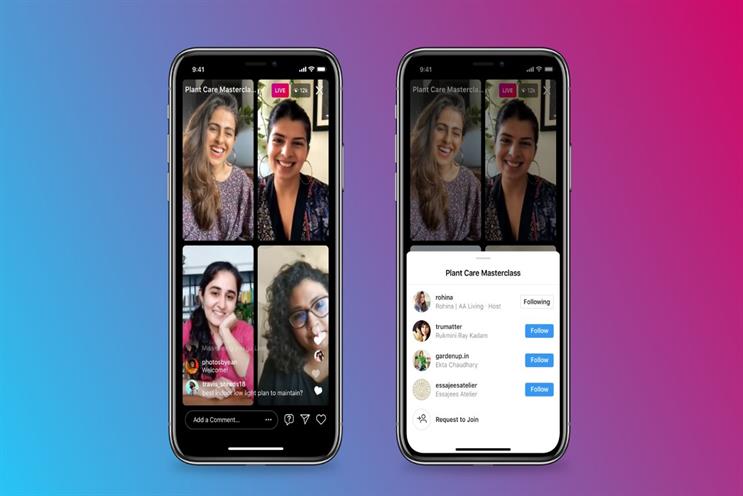
The Facebook-owned network's move follows Twitter’s launch of Spaces.

Choose Campaign site

Mars reveals gender bias in own advertising
Food company calls for greater diversity and less stereotyping in communications.
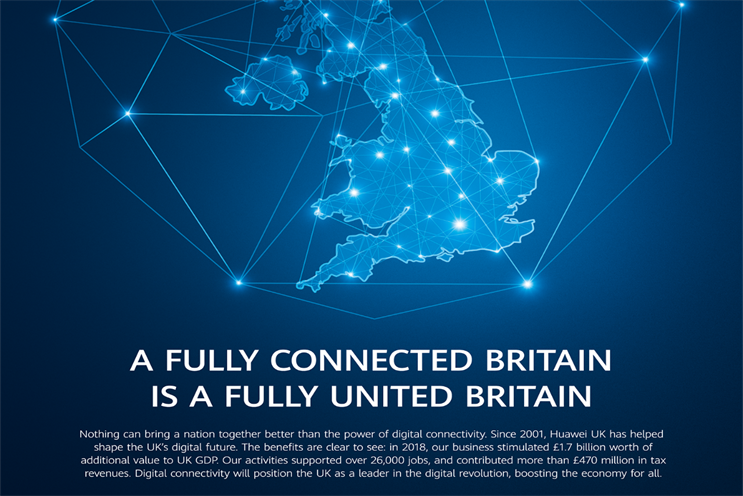
Huawei promotes credentials to UK businesses amid deepening US crisis
Campaign by Ogilvy Hong Kong is running across print, digital and outdoor.

Steve Blakeman to lead global Nestle account at Mindshare
Blakeman joins network from OMD.
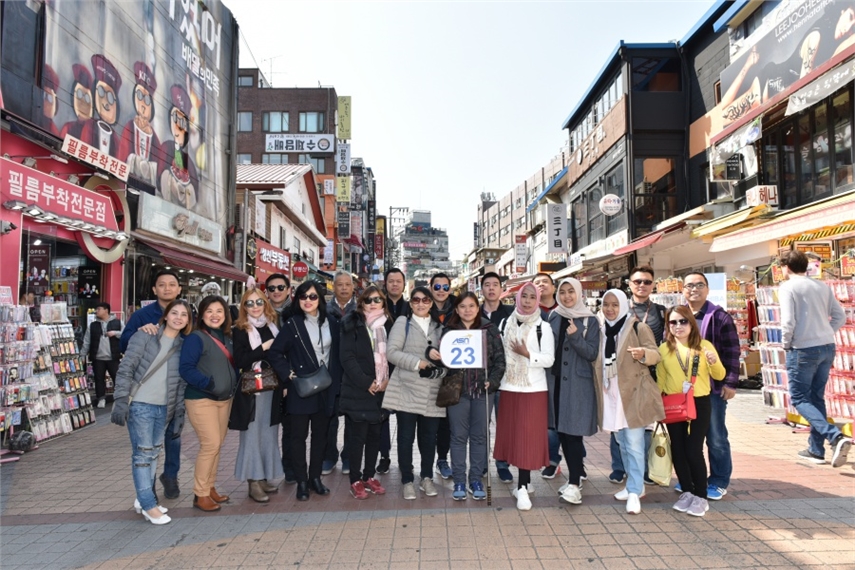
SITE identifies Asia as region with "brightest future" for incentives
APAC in particular could benefit from the organisation’s recently launched ‘Bangkok Manifesto’.

PCMA rolls out data intelligence service
Those signed up to the service will pay an initial set-up fee alongside a 12-month rolling licence, with the cost based on the size of the CRM database.

New Christchurch convention centre 'unaffected' by recent terror attacks
"In the aftermath of the events in March, New Zealand showed what a compassionate place it is."

Taco Bell to open Mexican-themed resort
Hotel launches in August.

Deliveroo to build 'Great Wall' using takeaway boxes
According to the brand, the 'Great wall of Chinese' celebrates the UK's favourite type of takeaway food.

Why independent agencies thrive in China
“In Shanghai, even a new starter can get a foot in the door. If you don’t stay hungry and on top of the game, you could be supplanted without even knowing it.”
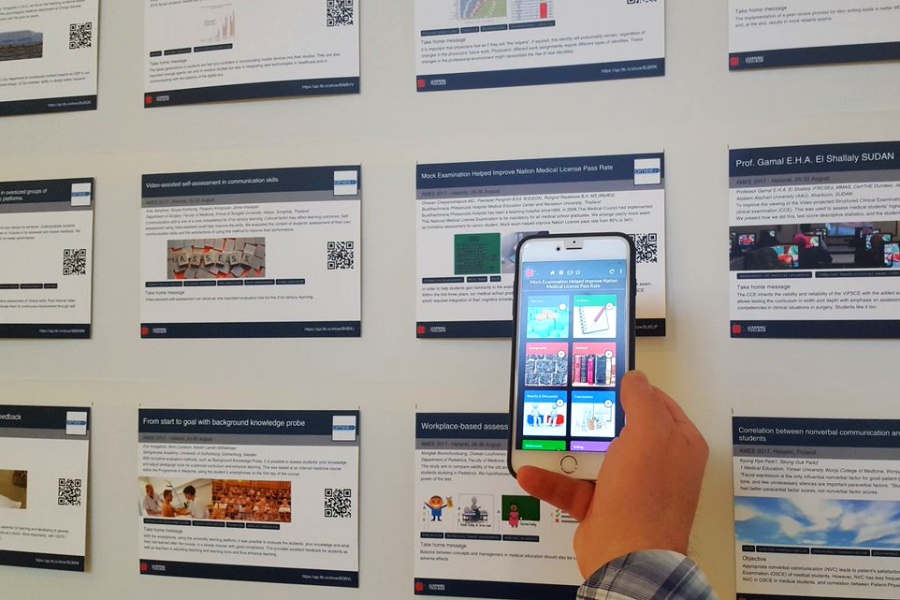
How it really works... ePosters
Authors can use the platform’s editing tool to create interactive ePosters that can include videos, website links, audio, surveys, images, and more.

Gold Coast hosts 6,000 Infinitus China delegates
Vibrant street parties along Gold Coast’s iconic Surfers Paradise wowed Chinese delegates.

Creativity as fuel for event design
In an age of experience, brands are emphasising innovation to design events that leave lasting impressions.

Corporate travel management gets personal with AI
Could AI really be a game-changer for corporate travel management?

How it really works... live attendee tracking
Data on how attendees spend their time at events provides valuable insights to organisers.
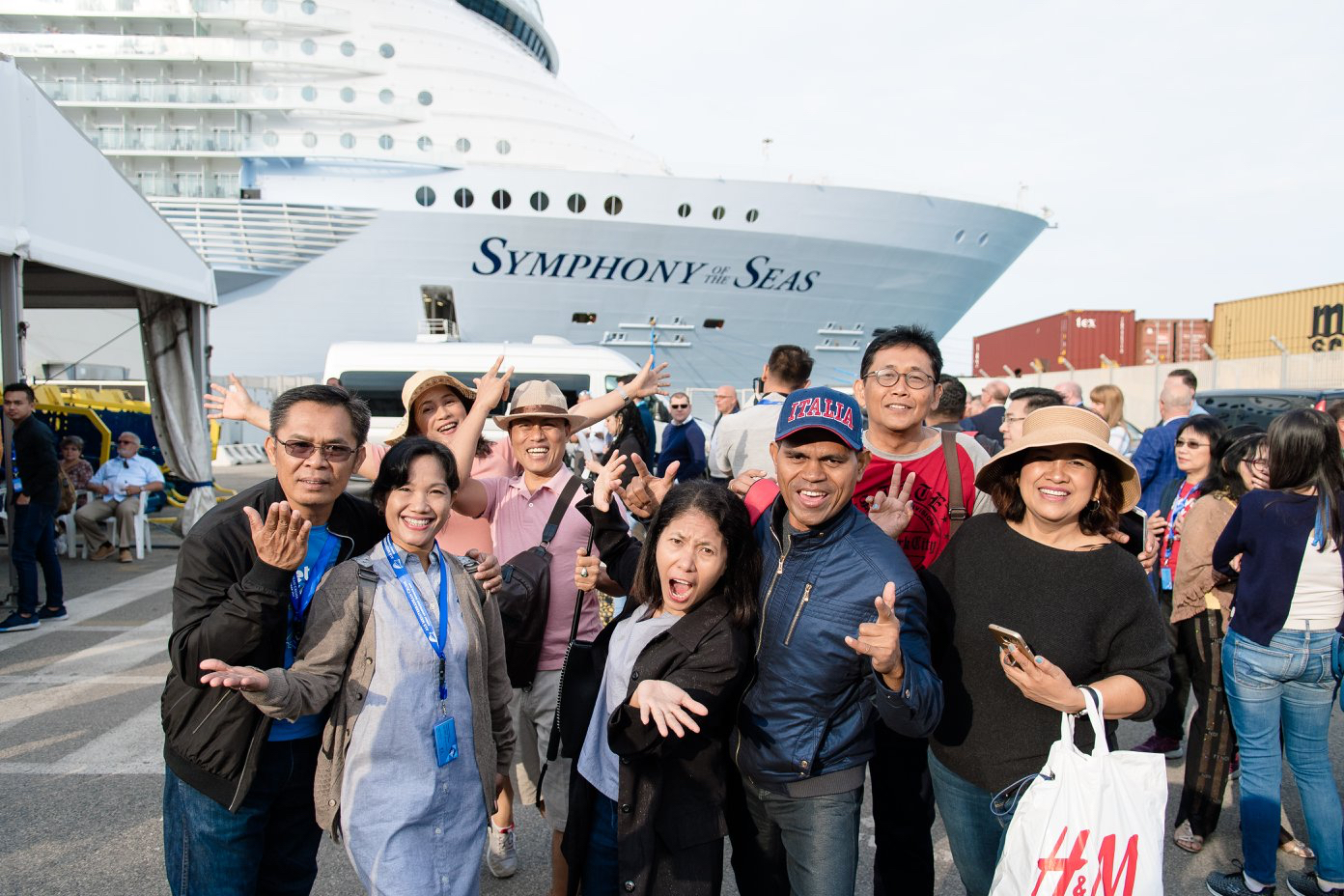
Amway Indonesia delegates sail on world's largest passenger ship
Around 200 Amway Indonesia delegates joined the West Mediterranean-themed Amway Leadership Seminar held on the Symphony of the Seas earlier in May.
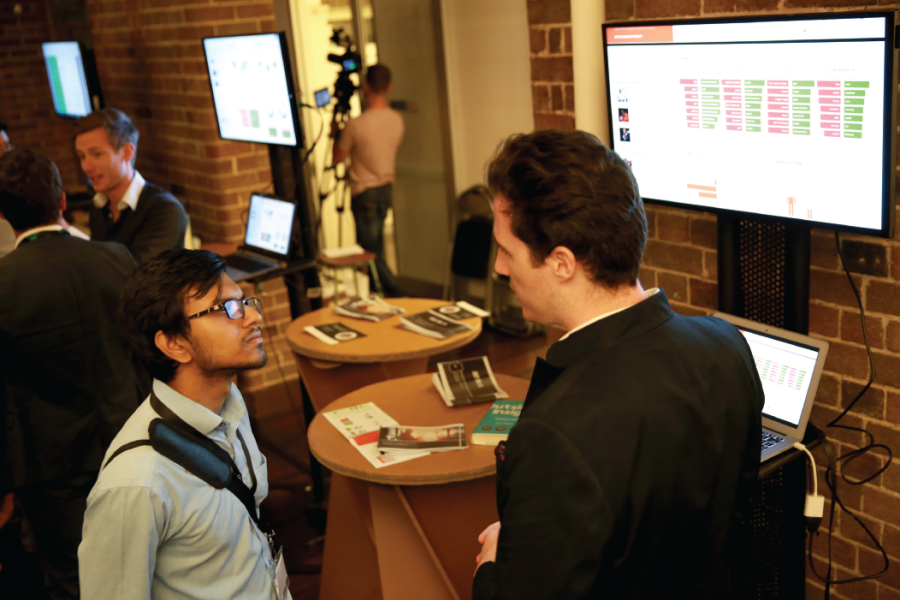
So you have data. Now what?
How best to use and leverage data once you’ve collected it at your event.

How event planners can navigate data
There’s more to data gathering than numbers, spreadsheets and feedback forms.

How comms professionals can break out of the 'PR sandbox'
Industry professionals are seeing a mismatch between what PR does and what people think of it. Does the communications world need a new business model — or simply to re-market itself?

MCEC partners with C2 to create experiential platforms
The venue will have exclusive access to C2’s experiential design platform and labs for "playful ideation" sessions.
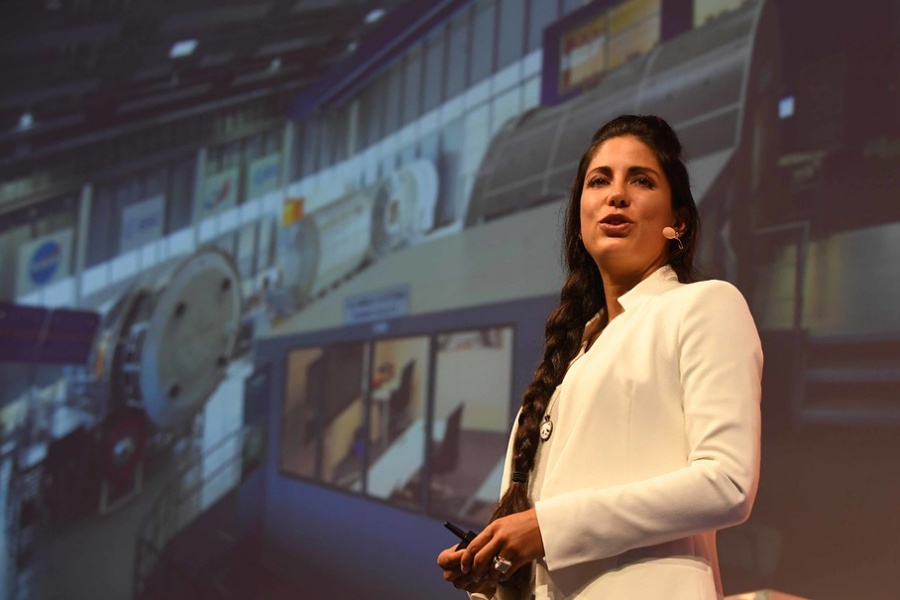
IMEX 2018 highlights role of women in events industry
The show's women-initiated programme sparked conversation about gender representation in the industry.

Asia companies scramble to be compliant ahead of GDPR
The MICE industry will require focus on planning and processes to operate in this new environment.

Top takeaways from AIME 2018
The 2018 MICE event in Melbourne showed off new tech tools from 'Teleportivity' to 'Selfiebots'.
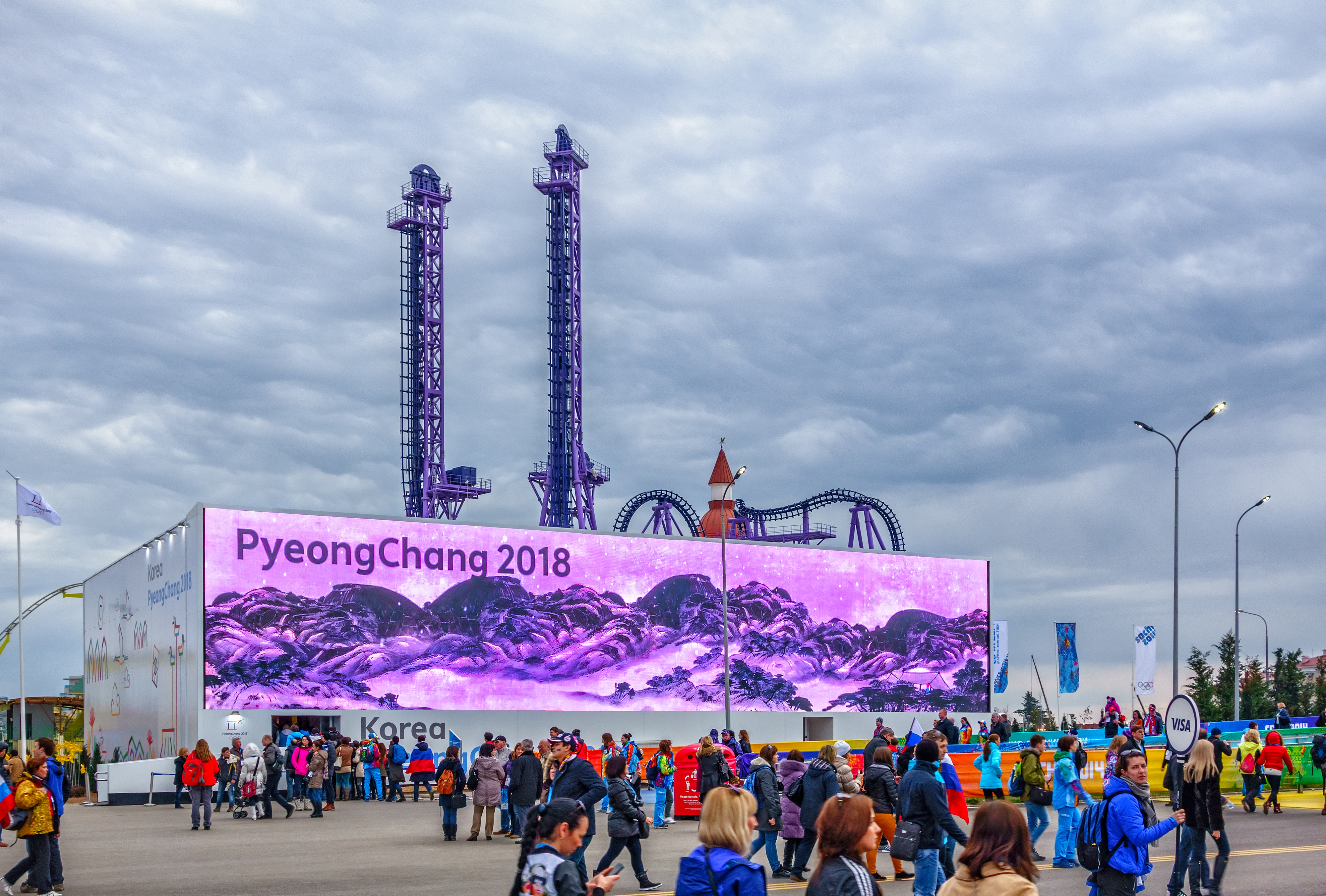
What it's like to work on... the 2018 Winter Olympics
The Games are over for now, meaning a little breathing space for event organisers like Don Roelofs.
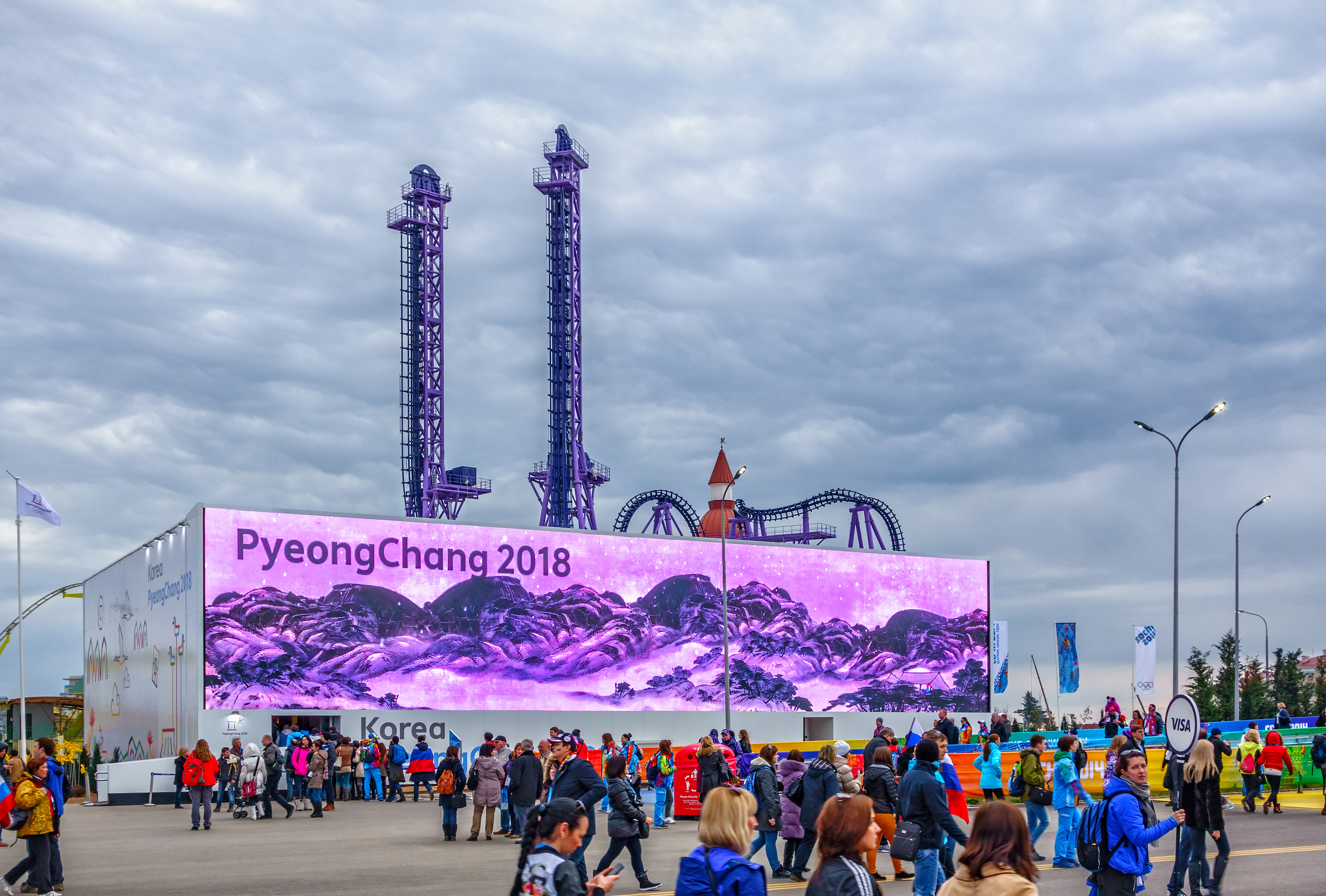
PyeongChang 2018: Behind the scenes
As the Games kick off, we chat to the event organisers who've been working for years to make it happen.
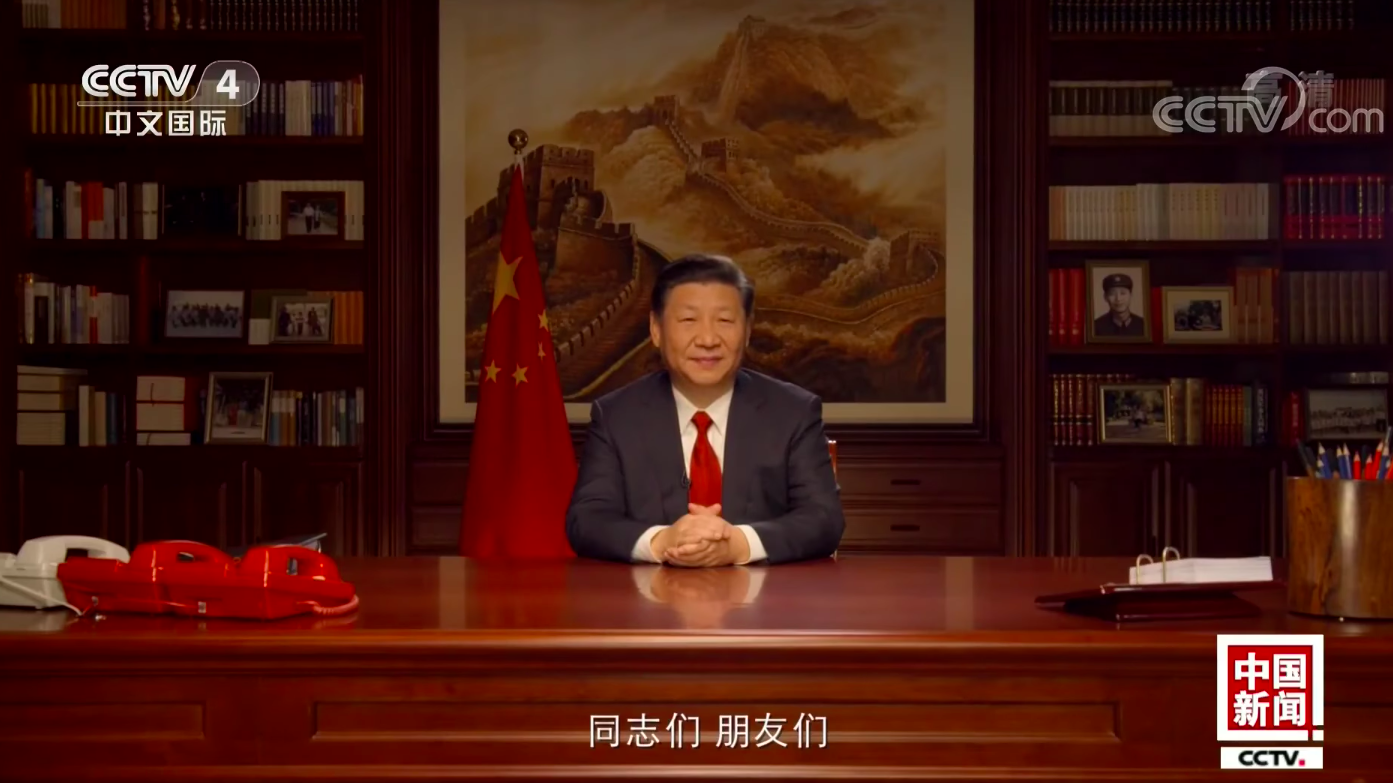
AI in China: What it means to be a tech leader
Xi Jinping is committed to making Chinese AI the envy of the world by 2030.
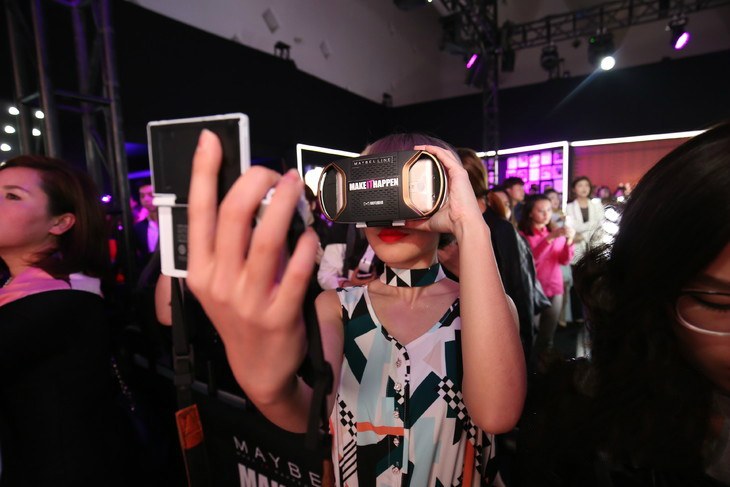
Event tech trends to watch in 2018
Data integration, mixed reality and facial recognition on the rise.

What is the real cost of event tech?
Marketers must evaluate the rising cost of new tech tools against actual value.
How to manage compliance risk in China
Performing due diligence on suppliers is essential to alleviate fraudulent activity.
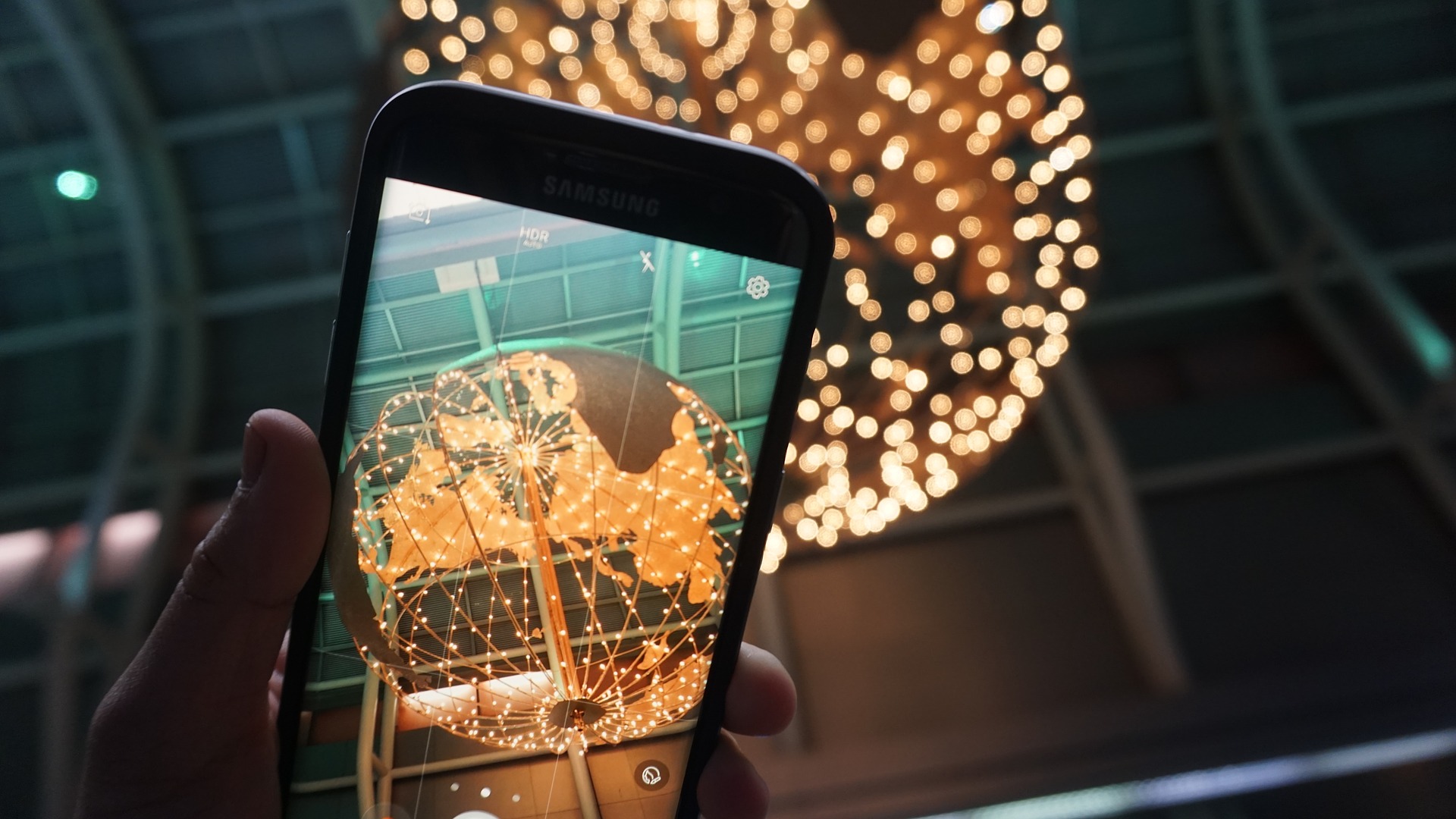
How to leverage social media influencers
An influencer brings an automatic social following and a dedicated network of fans to an event.

How to master brand storytelling
Brand experiences have the ability to engage all the senses in a more immersive and memorable way.

How to manage the dark side of social
Part and parcel of using social media is staying engaged with it—both the good and the bad.

Why the agency model is in flux
The pace of change is forcing the industry to take a good, hard look at itself.
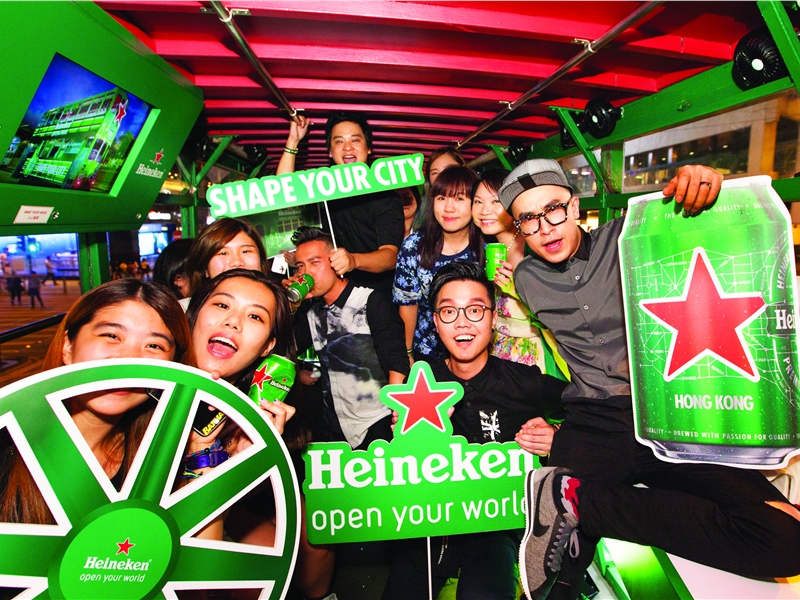
Five golden rules for defining event success
Create an experience before, during and after your event.

Why Chinese tech is crucial for events
Chinese start-ups and homegrown tech tools are making waves in the events industry.

Experience economy: How to harness the power of live events
In the age of authenticity, live experiences play a critical role in brand engagement strategy.
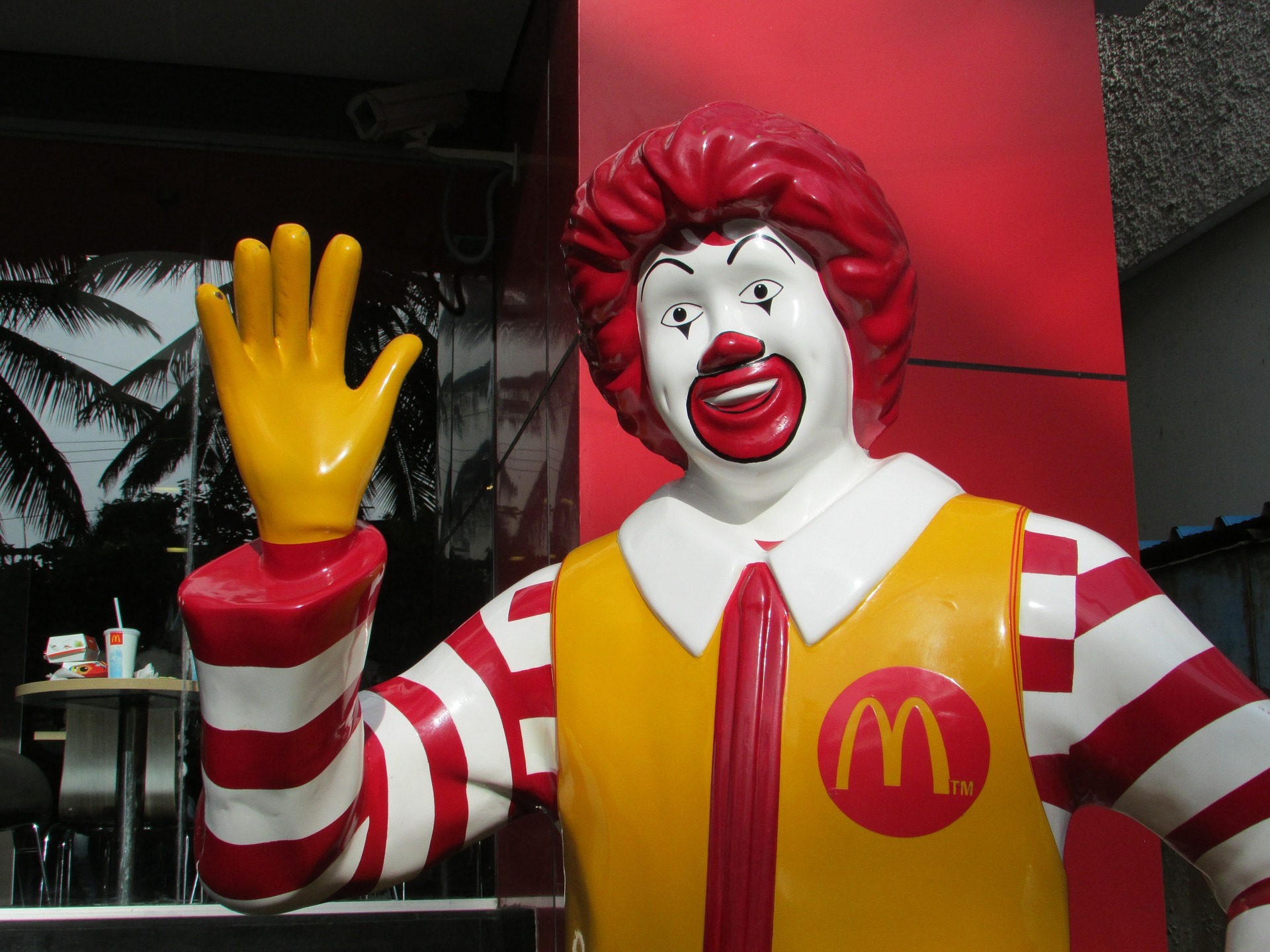
Brand break-up: When event sponsorship goes wrong
McDonald’s recently ended its 41-year-long sponsorship of the Olympic Games. Here's what we can learn.
How to use Snapchat to engage audiences
Take advantage of the social platform's customisable filters and geolocation capabilities

How artificial intelligence is revolutionising events
Thinking machines have enormous potential to create more engaging, successful events.
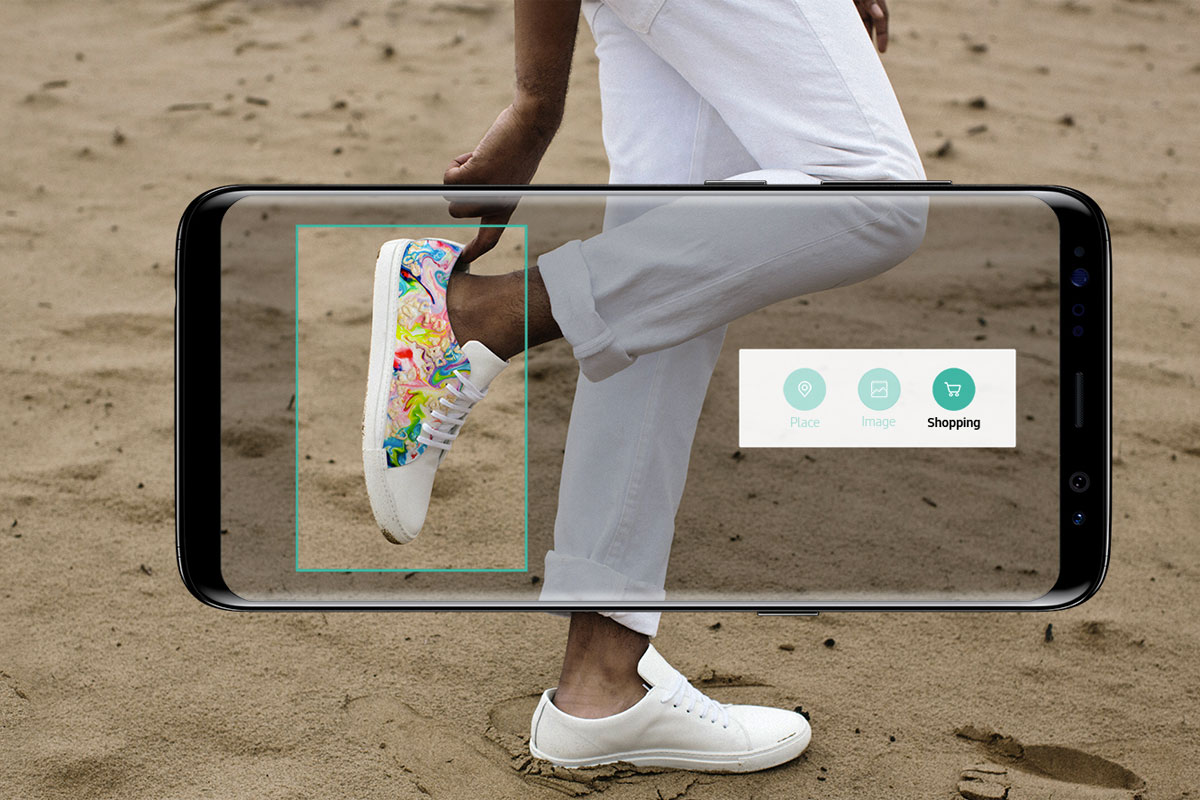
Cyber seeing will soon be AI believing
The next stage of the technological revolution will see search engines that are able to identify any product on sight, and send consumers directly to a site where they can buy it.
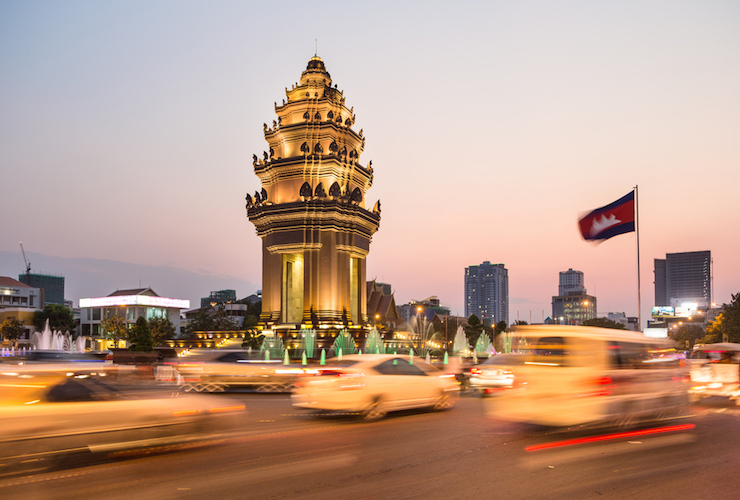
Opportunities rife in Cambodia’s young PR market
The profession is establishing itself as necessary and distinct from other aspects of communications, while the demand for strategic planning rises, according to in-market experts.
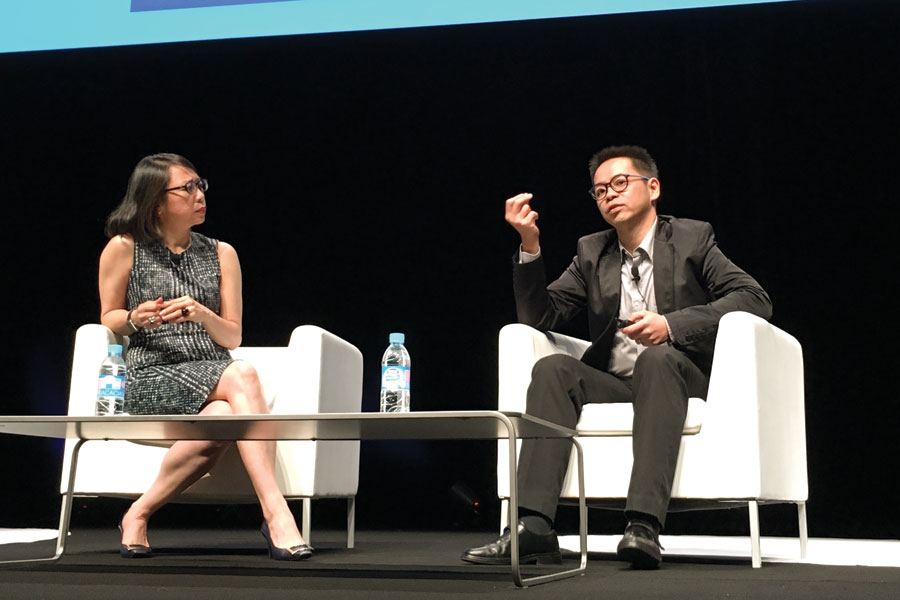
Tencent empowers brands to connect with users
Tencent Social Ads taps into data and insights to open a window on consumers’ desires.

Inside in-house PR: SAP’s head of communications APAC Jeanette Tan
An economist by training, Tan explains why more humour and a more human perspective is needed for the enterprise IT brand’s communications.

Focus shifts away from the big agency brand
As top brands opt for bespoke agency teams, has this trend devalued the worth of major creative brands?
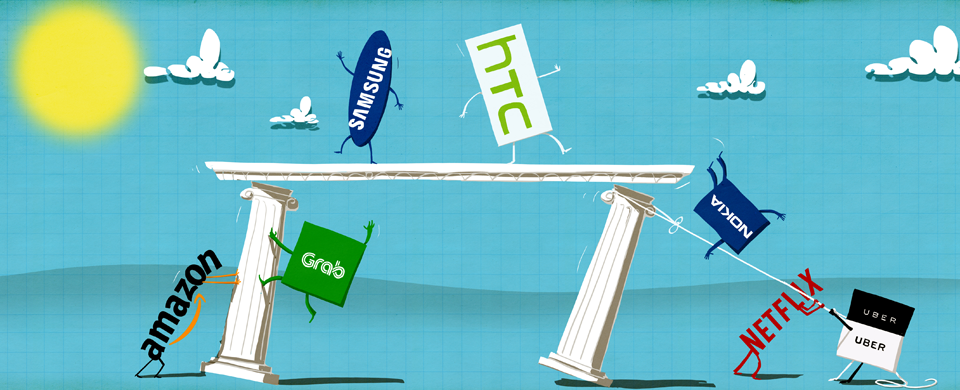
The brands that will take over
Airbnb’s debut on the Top 1000 Brands ranking means it’s only a matter of time before Uber, Netflix and Grab displace more traditional incumbents.

Why Asia’s agency heads are wearing two hats
An increasing number of Asia-Pacific agency leads are taking on additional roles. Is this change driven by cost or choice?

South Korea PR eyes global brand expansions for growth
ON THE GROUND - KOREA: South Koreans are avid users of digital technology, and the country has been a trailblazer for high-speed and wireless internet, which has had a dramatic impact on the nation’s PR industry.

Smart strategy? Brands believe intelligence can boost white-goods sales
SECTOR STUDY: With lifestyle changes and increasing consumer demand for more convenient white goods, companies are taking action to develop smarter domestic appliances.
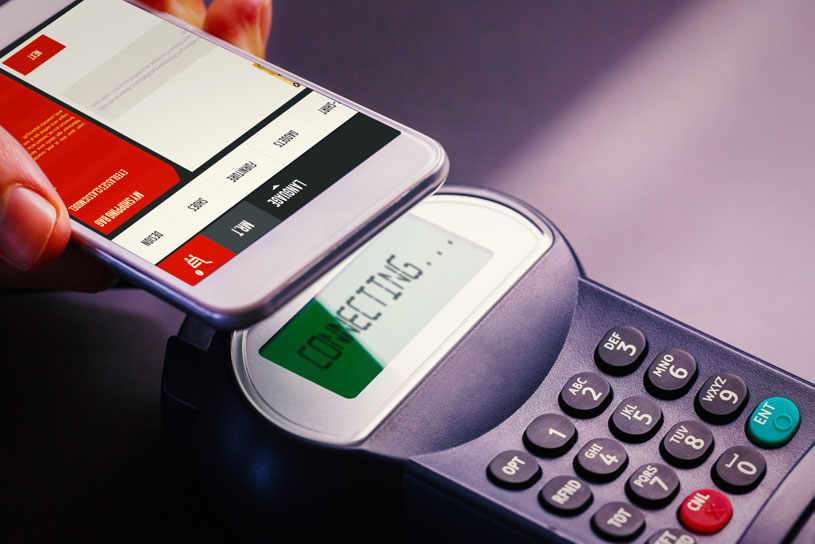
Mobile payments war heats up in Asia
As the number of mobile wallet operators increases, the race is on to encourage consumers to download these—but for this to happen, there must be a clear reward.

Ad agencies: No longer king of the creative hill
As the nature of marketing changes, so do the sources of creativity. We examine the new stakeholders and what they mean for the future of the industry.
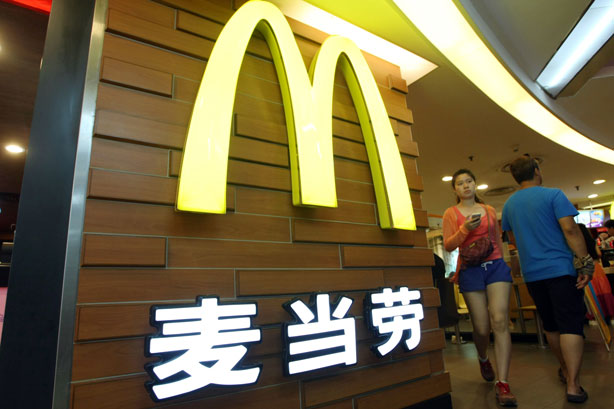
Brands pour money into food safety
As brands get called out for food that doesn’t make the grade, firms in Asia must improve processes to win confidence.
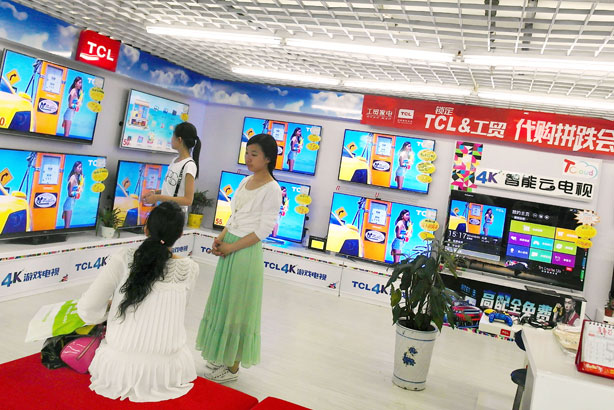
Chinese electronics fight for supremacy
Content creation and partnerships with foreign companies are helping Chinese brands raise their profile outside China.

Procter & Gamble wields axe on up to 100 of its least profitable brands
Procter & Gamble announced today that up to 100 of its least profitable brands will be axed as it looks to streamline its costs and focus on its core brands
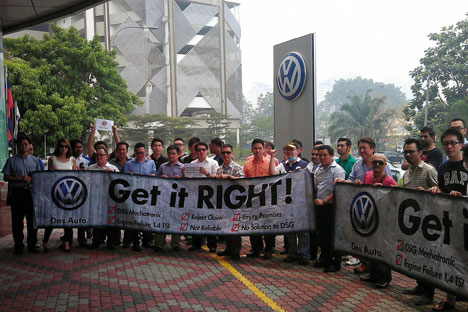
Social media makes good service essential
With complaints quickly going viral and making headlines, it makes sense for brands to invest more in customer care.

ROI: Still no measure for creative effectiveness
Without a robust model for assessing work, clients are not satisfied they can trust agencies to deliver performance-driven results.
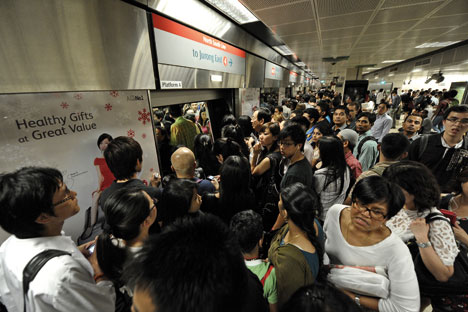
Crisis management: Social media teams prepare for the worst
The need to mitigate online reputational damage at speed sees some brands building their own in-house response teams.

Community Management: PR the perfect fit for shaping conversations
Brands are increasingly turning to public relations agencies to manage communities through social media and other platforms.