Woolley Marketing: Why your agency’s best work is not for sale
Procurement can accelerate a process, but it cannot manufacture brilliance. A faster milk cart is a poor substitute for a racehorse, argues Darren Woolley.

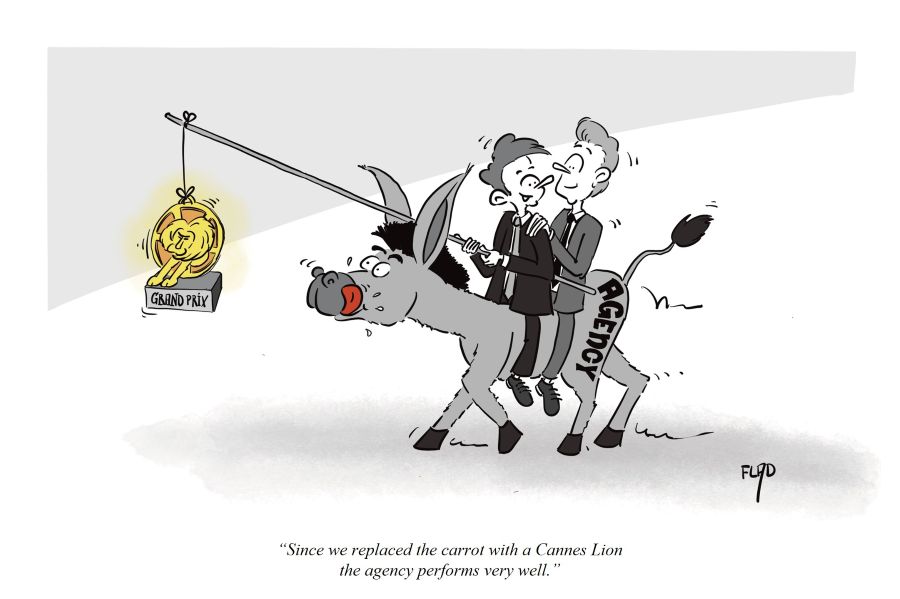
Procurement can accelerate a process, but it cannot manufacture brilliance. A faster milk cart is a poor substitute for a racehorse, argues Darren Woolley.
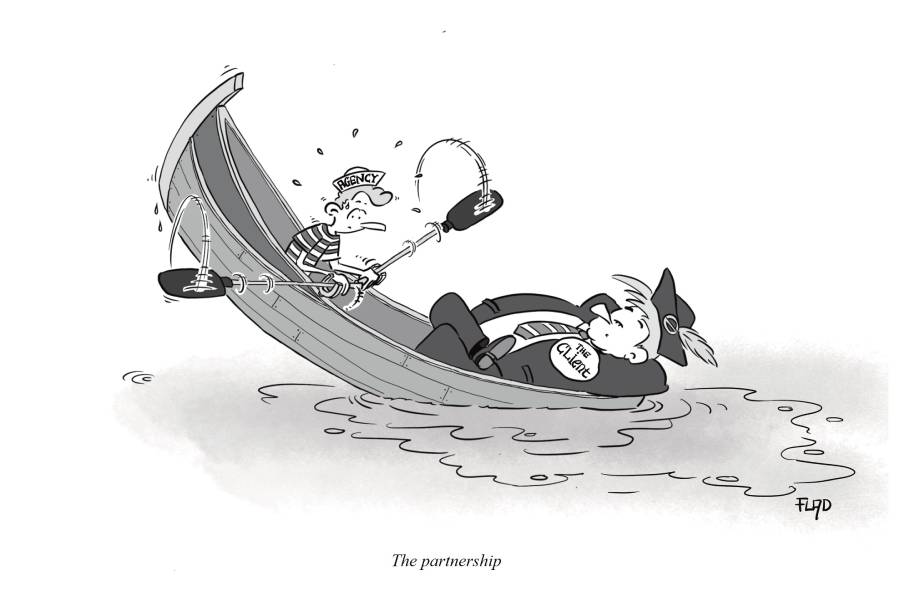
If you treat your agency like a vendor, you should not be surprised when they stop acting like a partner, says Darren Woolley.
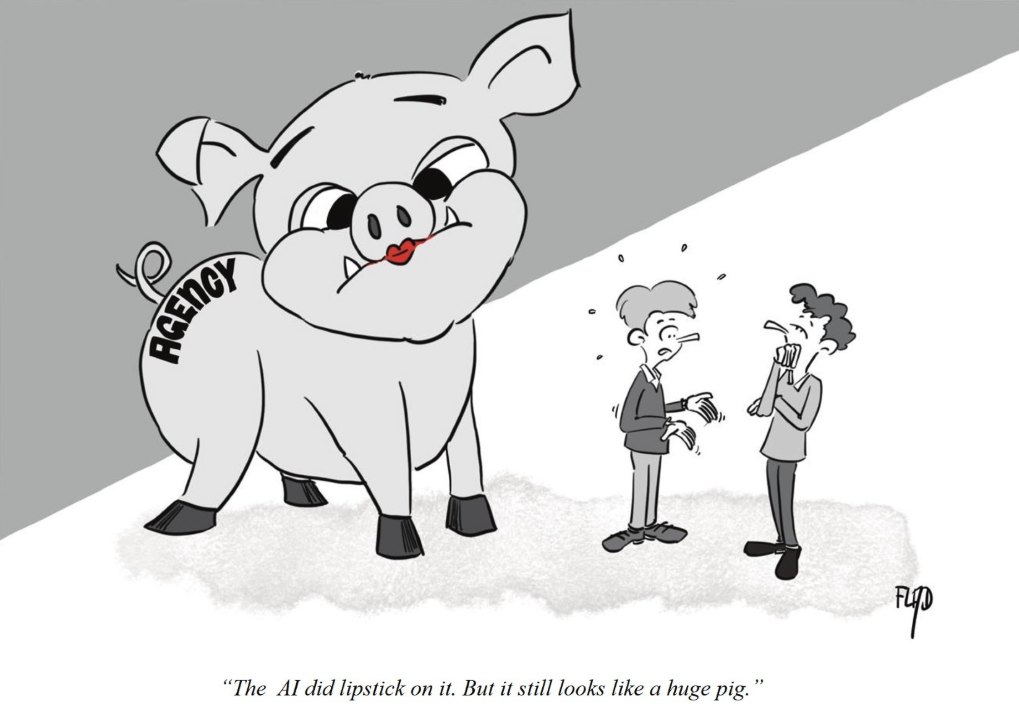
Allowing new AI technology to become the dominant consideration in choosing a partner means you value ‘more and faster’ over capability and performance.

In a bell-curve industry, excellence is statistically rare. Darren Woolley argues that benchmarking the average almost guarantees mediocrity.
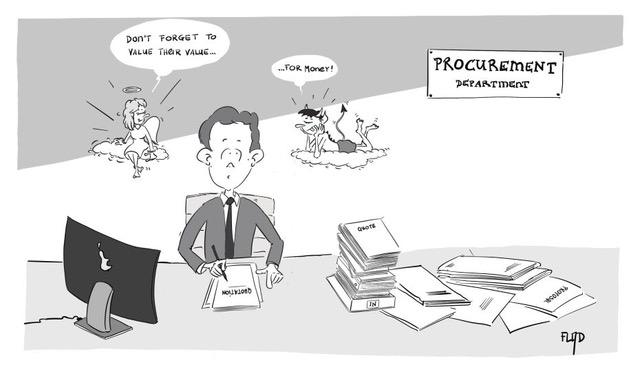
After one too many 'pivot to value' conference speeches, Darren Woolley gets honest about what really happens once the doors close.
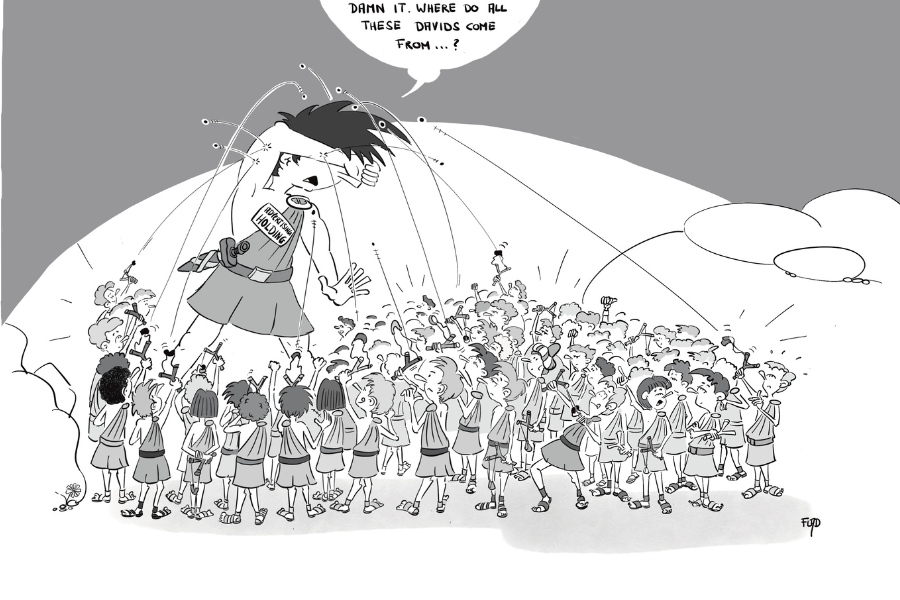
Networks continue to provide the plumbing, Darren Woolley writes, but the talent they trained runs the independent agencies marketers now call for creative magic.
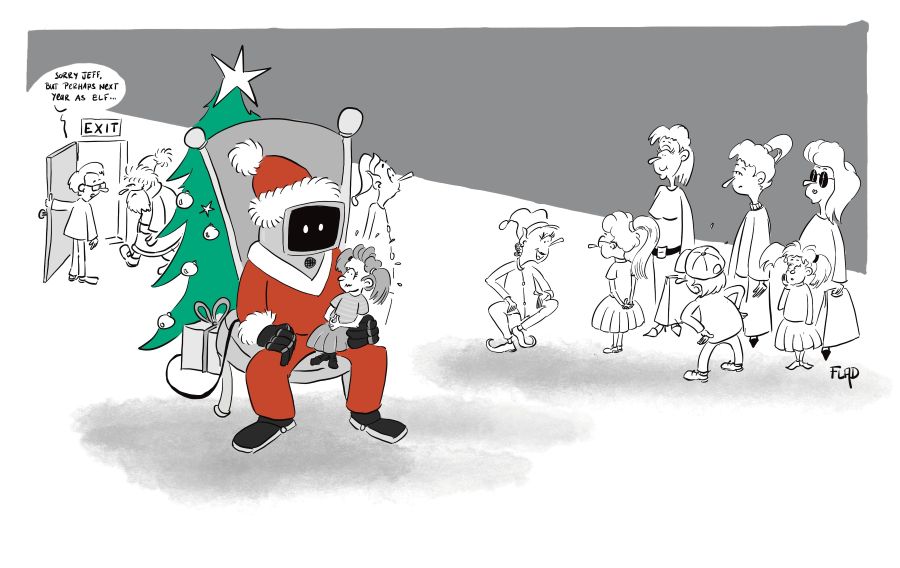
Darren Woolley unwraps his wishes for 2026—more time, more magic, more safety, and a future where humans shine brighter than ever.

WPP grapples with an inherited “failure of modern corporate governance,” Darren Woolley writes. Cindy Rose must now prove that the next chapter rests on integrity rather than growth at any cost.
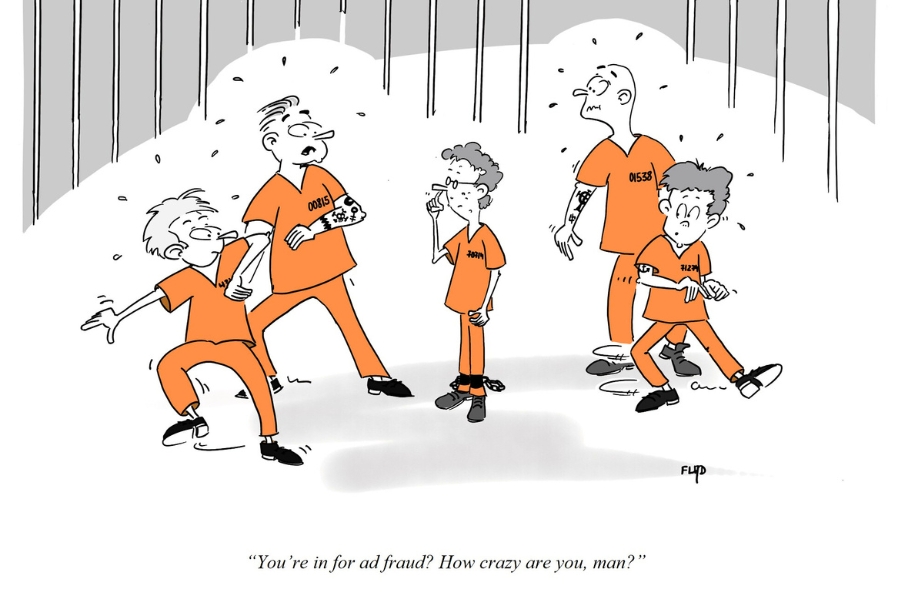
Ad fraud is now a top-tier global crime rivalling drug trafficking, yet barely treated as one. Darren Woolley asks why the industry tolerates losses it would never accept anywhere else.
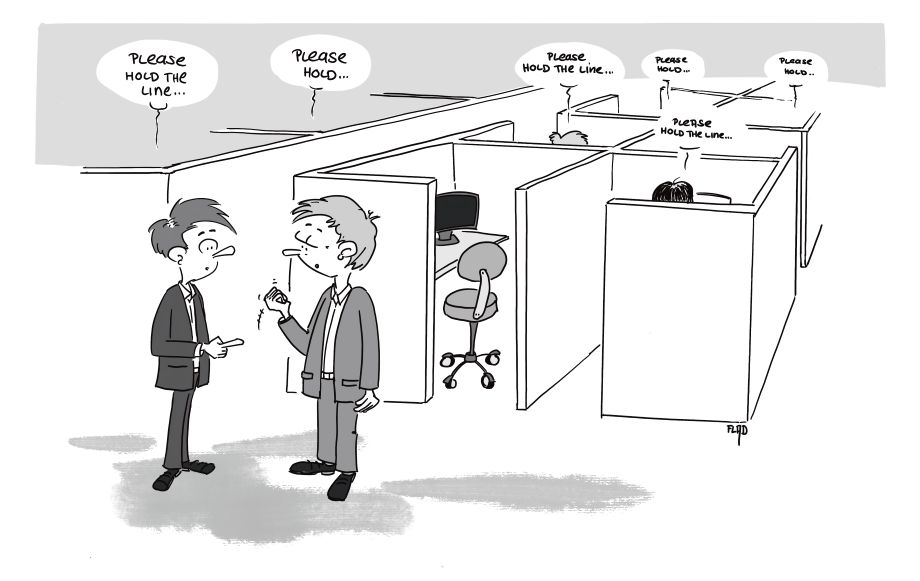
The datasets shaping AI’s creative output reflect decades of cultural bias. In marketing, that means the future we’re building could look suspiciously like the past unless humans reclaim the creative brief.

Machines can’t make advertising great—people can, Darren Woolley writes.
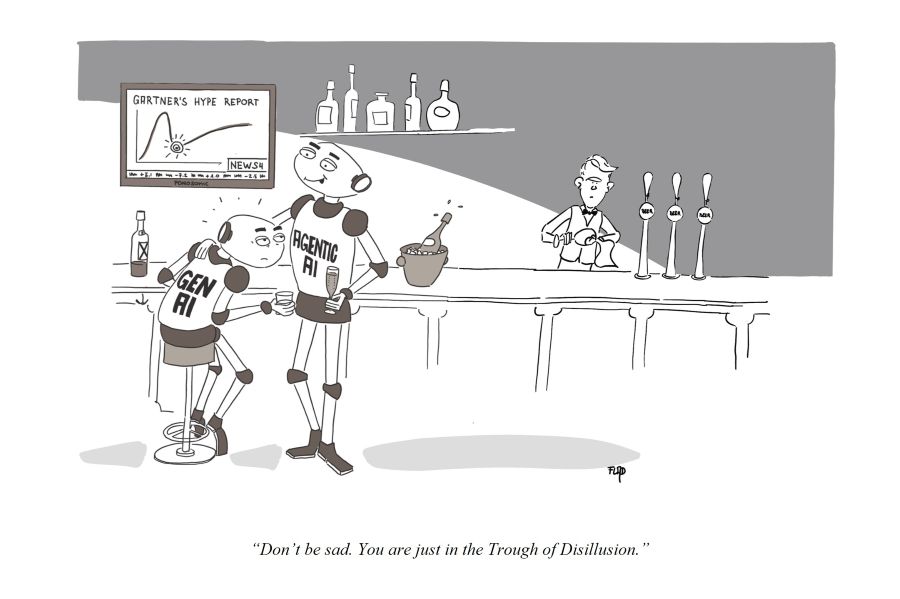
Darren Woolley outlines his benchmarks for validating AI marketing, including productivity, speed, scale, and quality, and states productivity and performance, efficiency and effectiveness go hand in hand.

Dentsu’s potential sale, WPP’s turmoil, Omnicom and IPG’s merger chase all point to the fact that the giants of advertising are stumbling. As TrinityP3's Darren Woolley argues, this is natural selection at work: adapt or go extinct.

We're chasing a mirage of hyper-personalisation while our AI diligently learns from our own biased data, pushing customers further away with every well-funded, poorly-targeted click, opines Darren Woolley.

Because sugar-coating the truth does more harm than good, Darren Woolley explains.
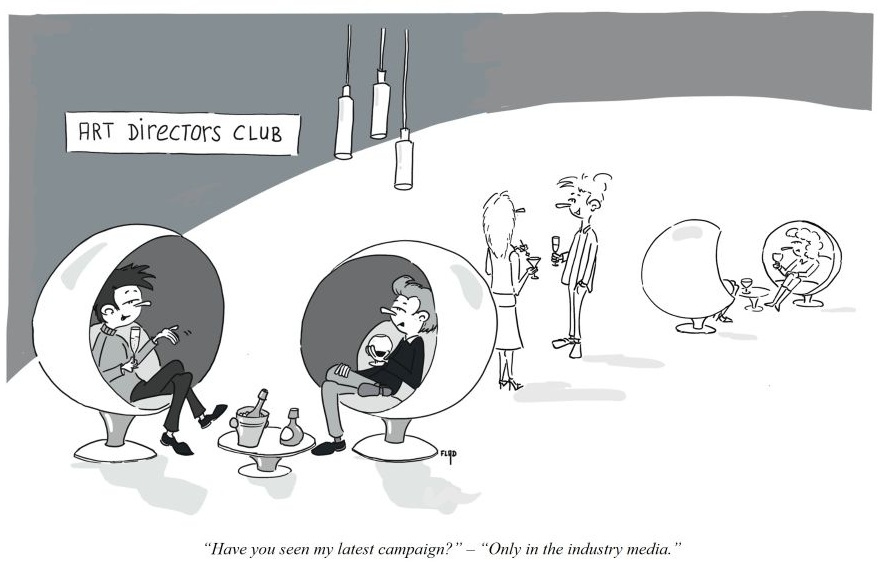
There was a time when the work spoke for itself—reels packed with iconic ads that did the creative magic. Today, even award-winning work needs a story to grab attention.

OPINION: Adland has been buzzing over the leaked news of GroupM’s rebrand. Is this WPP's bold reinvention or a sign of deeper troubles? TrinityP3's Darren Woolley looks at the communication missteps and what this shake-up means for advertisers, employees, and the future of media buying.
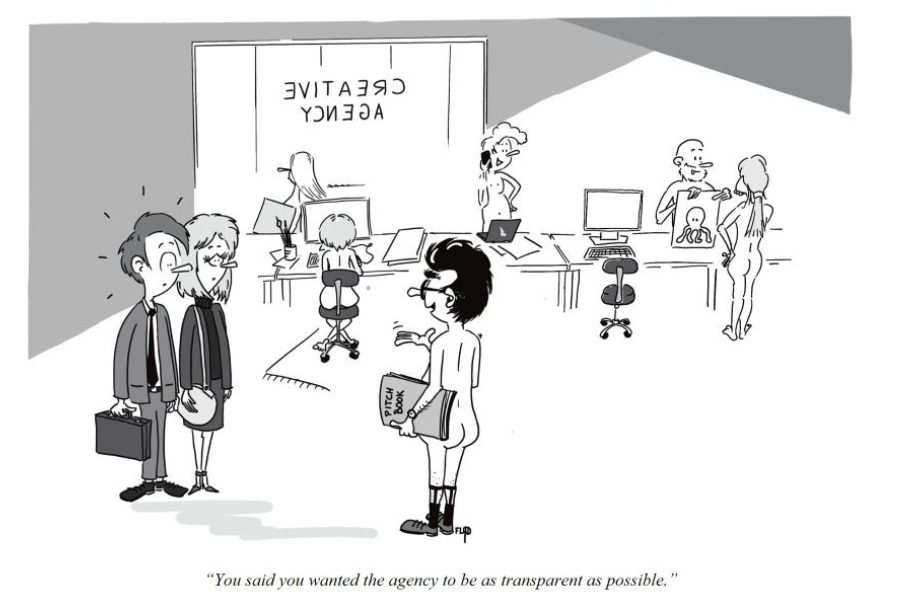
Trust in advertiser-agency relationships hinges not on absolute transparency, but on reasonable openness that empowers both sides without drowning them in irrelevant details, says Darren Woolley.

Marketers looking to justify ROI should get used to asking straightforward questions and brace themselves for answers—even ones they may not want to hear, says Darren Woolley.
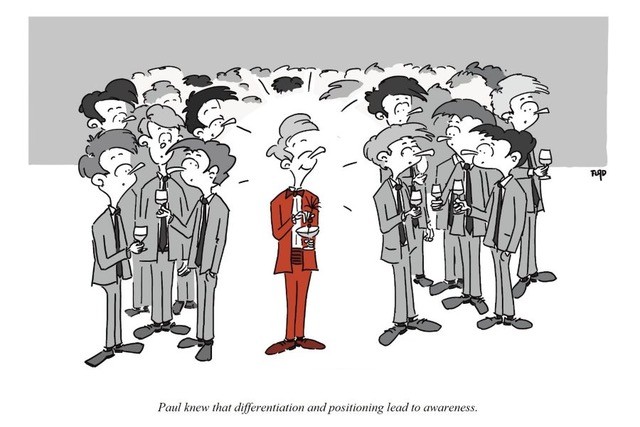
Every agency is trying to find the sales pitch that will win the business, but in the process, you might lose the very differentiation that secured your place in the pitch in the first place, says Darren Woolley.

Numerous holding companies, including WPP, Dentsu, and Publicis, are rebranding their agencies by shedding legacies. Darren Woolley asks would they advise clients to undertake similar transformations?
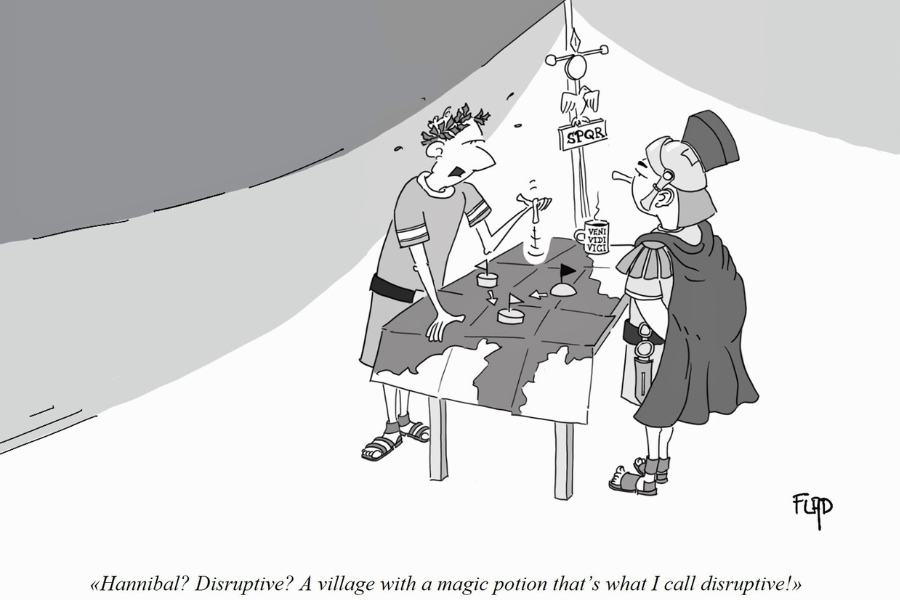
From Netflix to Nvidia, true disruption is rare. Darren Woolley shares his nuanced perspective on the difference between evolution and revolution in business.

Privacy fracas, economic turmoil, and an attention-fleeting digital world—Trinity P3 founder and chief executive Darren Woolley asked AI to prioritise the pain points that dominated marketing agendas across Asia-Pacific in 2024. Here's his take.
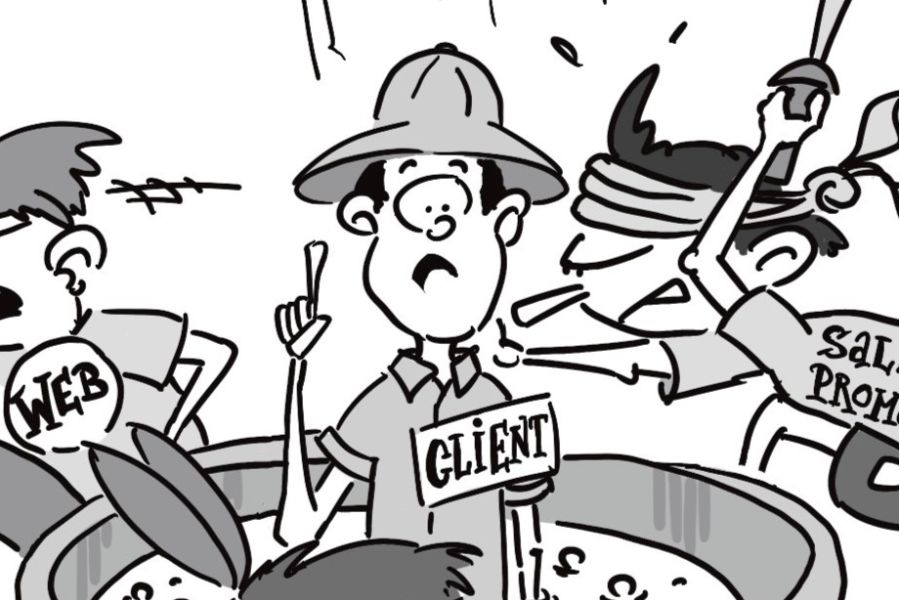
Every marketing ecosystem has its weak link. Darren Woolley explains how to spot—and avoid becoming—the "village idiot" before your agency network collapses under its own weight.

"...But do you think following me around the internet and serving me ads often at a lower price offer will make me buy you? Junk is junk at any price," Woolley writes, pointing to the futility of chasing informed consumers.
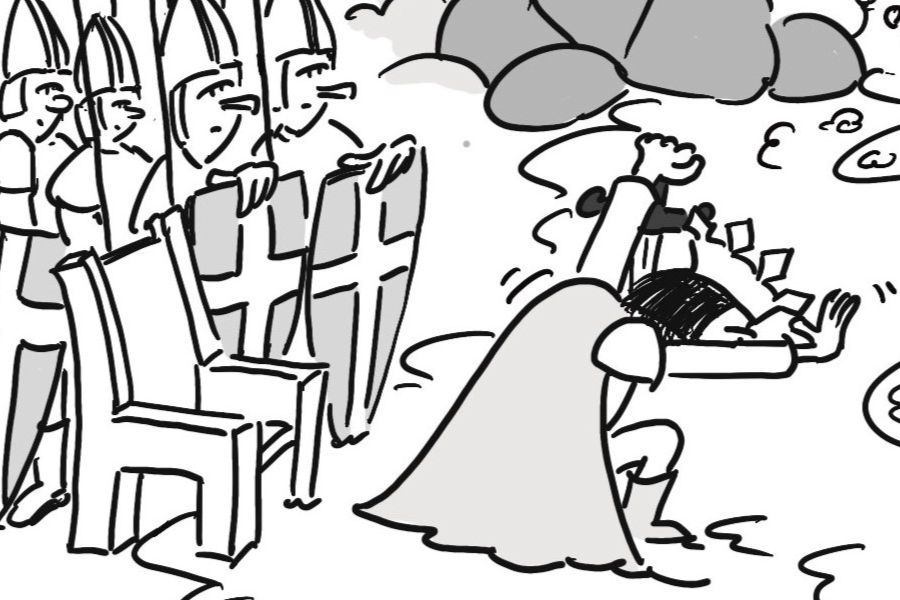
This month, Darren Woolley tackles the harsh reality of today’s media landscape: Fight a losing battle for transparency or outsmart the competition in a system rigged by tech giants?

From sugary drinks to gambling, calls for ad bans are growing louder. But is silencing the messenger really the answer? Darren Woolley argues for a more nuanced approach to tackling societal ills.

"Advertisers have a responsibility to act in the best interests of their shareholders and customers, but that does not give them the right to flout anti-cartel laws," argues Darren Woolley, highlighting the complexities of brand safety in the wake of GARM's dissolution.

Spend time with any procurement person, and you will find a professional who is diligent, often analytical, and typically curious. But why is the agency-procurement relationship often contentious? Darren Woolley explores.

Over time, the proportion of agency staff on an account roster described as 'junior' has shrunk. Today, it is nearly non-existent.

Clients think they write great briefs. Agencies disagree. Who's right? In search of an answer, the founder and CEO of pitch consultancy TrinityP3 compares the situation to other professions, such as architecture, the law and medicine.

It's common practice for big brands to tie up the best and brightest agencies in exclusive contracts that effectively take them out of the market, according to the founder and CEO of consultant TrinityP3. Is this anti-competitive bullying, or just smart business?

Compensation practices make it difficult, if not impossible, for agencies to justify the cost of investing in the technology they need to optimise their production operations, writes the founder and CEO of TrinityP3.

Agency retainer models fail to incentivise a reduction in staff churn with consequences for both employees and advertisers, says one industry consultant.

The founder and CEO of marketing consultancy TrinityP3 uses a side-by-side comparison to dig into the costs you might not have considered.
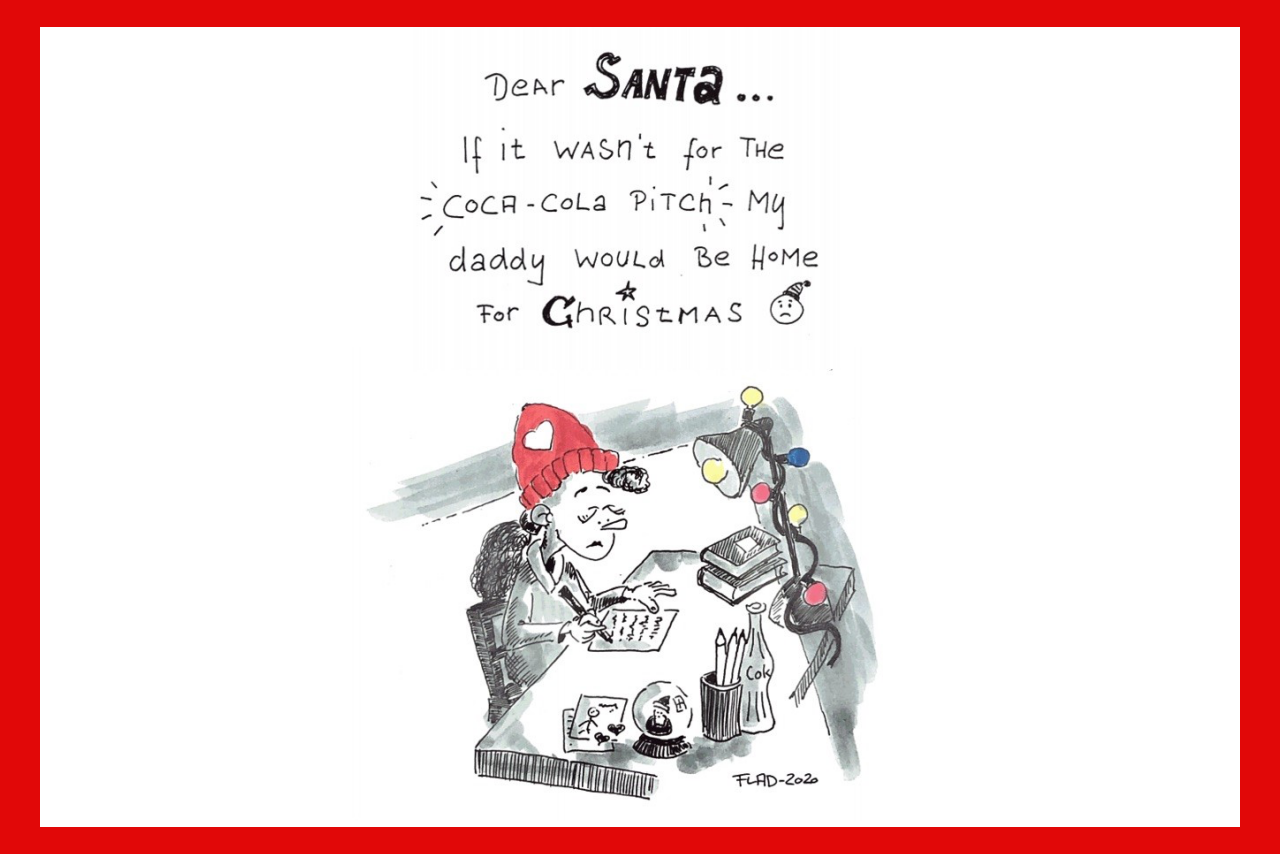
The company certainly ruined a lot of holiday seasons for incumbent and hopeful agencies alike. But what is the move actually meant to accomplish? TrinityP3's founder and CEO considers the possibilities, and the risks.

Even as procurement teams are emphasising sustainability and philanthropy, marketers appear uninterested—or in some cases hostile toward—pro bono work their agencies may be doing for charities. That's a mistake, according to the founder and CEO of TrinityP3.

Why your tender process should be about looking for the right agency, not the best agency.

With the pandemic stalling the traditional pitch process and the rise of the remote or virtual pitch, what is known is showmanship is no longer winning the day.

If you are being proactive and your suggestions are not going anywhere it is likely you are not adding value, says this industry consultant.

Especially during the pandemic, trying to lock in a media-buying position in a state of so much uncertainty is bound to create distrust and disappointment.

Remarkably few agencies get useful feedback after losing a pitch. Try asking these followup questions.

Not made to 'set and forget', your media contracts should be reviewed regularly, the founder and CEO of Trinity P3 advises.

Using new technology with little thought behind it can produce cringeworthy results, as evident in some virtual pitch meetings through video conferencing.

Yes, ZBB gets employed merely to slash budgets. However, argues the founder and CEO of TrinityP3, marketers should not necessarily be fearful of the process itself, which can provide value if used properly.