Brand consultancy Lippincott has published its seventh annual "Go-To Brands 2025" list. Lippincott's past work includes significant projects such as assisting Delta with its recovery after an 18-month bankruptcy following 9/11, boosting Starbucks' non-coffee product revenue by 20% in 2011, and redesigning DuPont’s logo after its 2017 merger with Dow.
The report was published on Tuesday and analysed over 40,000 customers and 500 brands via its Go-To Brands 2025 survey. The list, split into 2025 winners and “go-to brands of tomorrow,” recognised Lego Group for connecting consumers, Canva for its annual progress and Affirm for building momentum through its cultural relevance amid 2025’s fast-paced market.
The top three brands became “go-to” brands for U.S. consumers in 2025
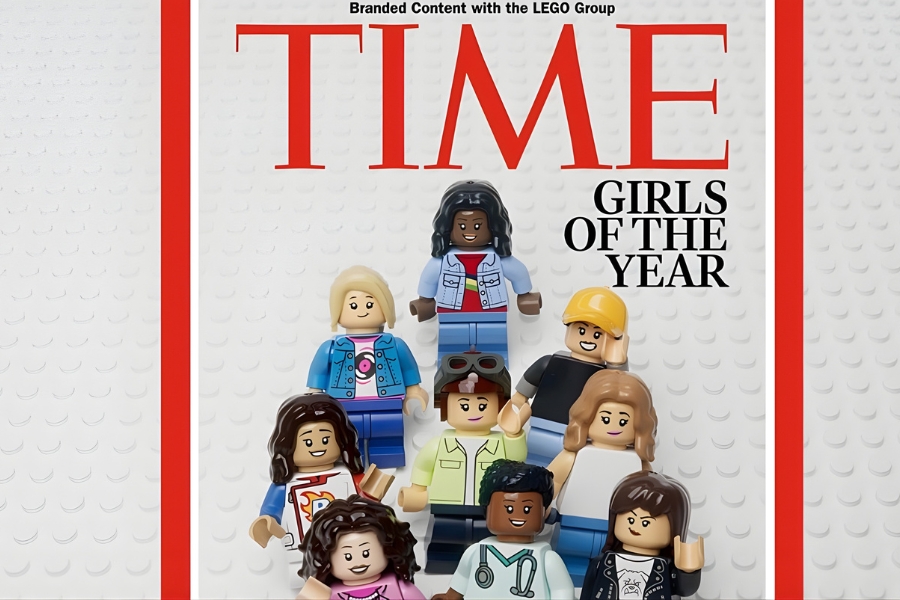
First on the list, Lego Group’s She Built That campaign – featured on Time’s front page in August for the magazine’s first-ever Girls of the Year list – helped the toy brand land in the top three for Lippincott’s surveyees.
“Children are incredibly observant. They notice who gets celebrated, who’s missing and what stories are being told. As a brand that’s part of many children’s daily lives, we have a responsibility to reflect the world as it could be — not just as it is,” Lego Group chief product and marketing officer Julia Goldin told Campaign when the Time cover was published in August.
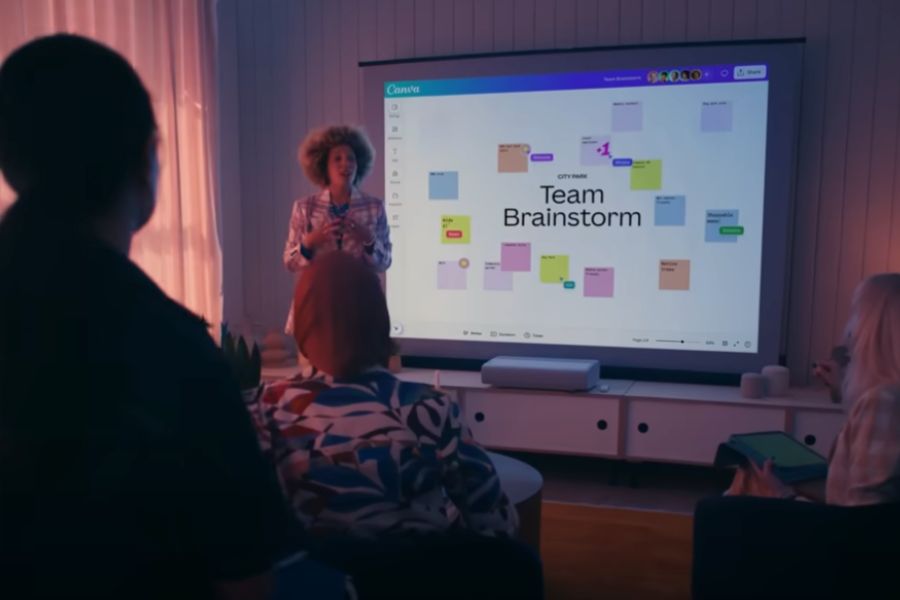
Canva’s expansion of online creative opportunities — many made possible with AI — positioned the platform for Lippincott’s “best in progress category.” Since launching in 2013, Canva has reached a value of $40 billion, surpassed 220 million monthly users and acted as an online canvas for over 30 billion designs.
Throughout 2025, Canva deepened AI integration to its Magic Studio with a text-to-design tool and launched an @Canva AI collaborative assistant to provide design feedback and edits. In October, the platform released an AI-powered short-form mobile video editing tool to appeal to social media content creators.
Last of the top three honoured brands was “buy now, pay later” platform Affirm, founded by one of PayPal’s founders, Max Levchin. The brand spans across app, physical card and virtual card services and was recognised as “best in momentum” by Lippincott’s survey respondents. Affirm has grown from 18.7 million active users at the end of 2024’s fiscal year to over 23 million active users as of this month.
“Customer experience is all about eliminating friction, making Affirm feel like a brand that’s got your back rather than one that’s trying to snatch your wallet,” Lippincott’s report explained, noting Affirm’s marketing spotlights influencer-led short-form video in the same manner it does polished brand spots.
There are some possible marketer takeaways to pull from Lippincott’s survey: Consumers are compelled to celebrate brands, such as Lego Group, that take the lead on community-based connections, specifically communities that include traditionally marginalised groups.
Creative companies such as Canva can successfully integrate AI in a way that empowers consumers’ creative expression without feeling intruded on — and brands that dive deep into AI in a way that makes sense for their initial purpose and aligns with their consumer-facing ethos reap the most AI benefits.
Reassurance in stressful spaces creates loyal consumer relationships. As inflation and international tariffs trickle into the minds of consumers nationwide, Affirm has gained momentum by providing clarity and reassurance while marketing a product many might otherwise associate with financial stress.