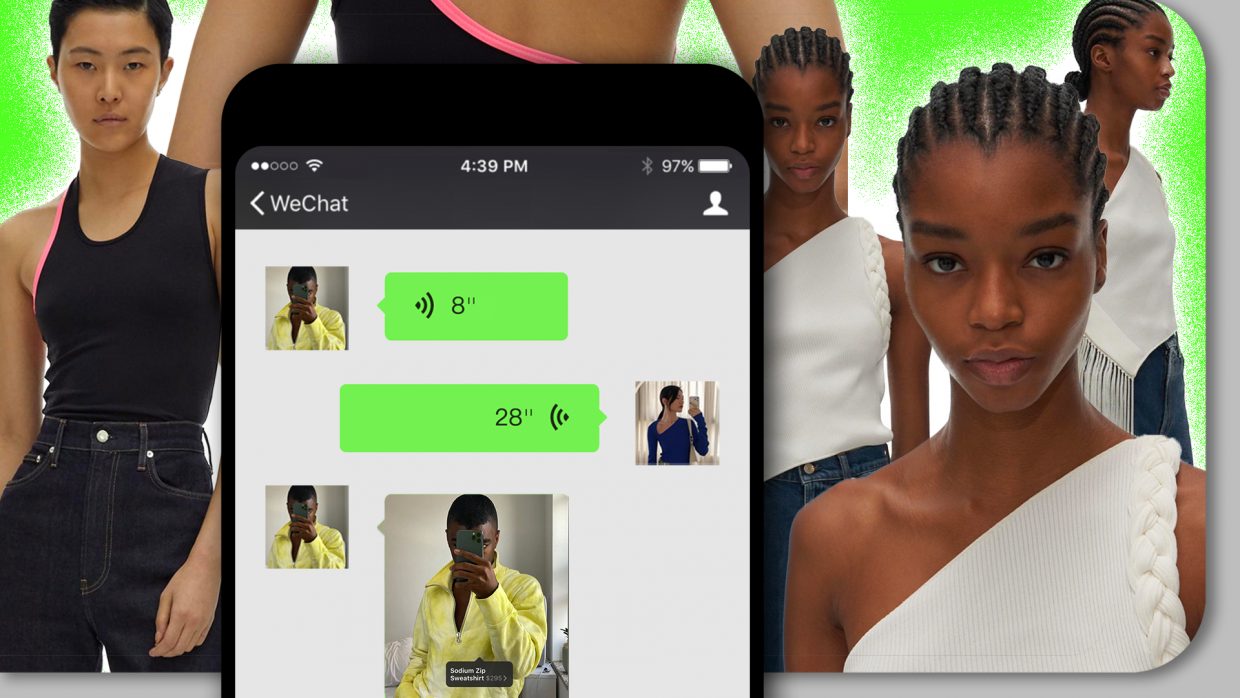
By connecting with sales associates on WeChat, consumers are getting exposure to a new form of effective advertising during the COVID-19 outbreak.

Choose Campaign site
Will China’s shopping festivals save the luxury market?
To offset COVID-19 losses, brands joined China’s three-week shopping holiday, 618, including many luxury brands that have long shied away from discounts.
Alibaba attempts to replicate Taobao model overseas
The platform encourages people to share within the AliExpress app, hoping to create a shopping environment similar to Taobao.
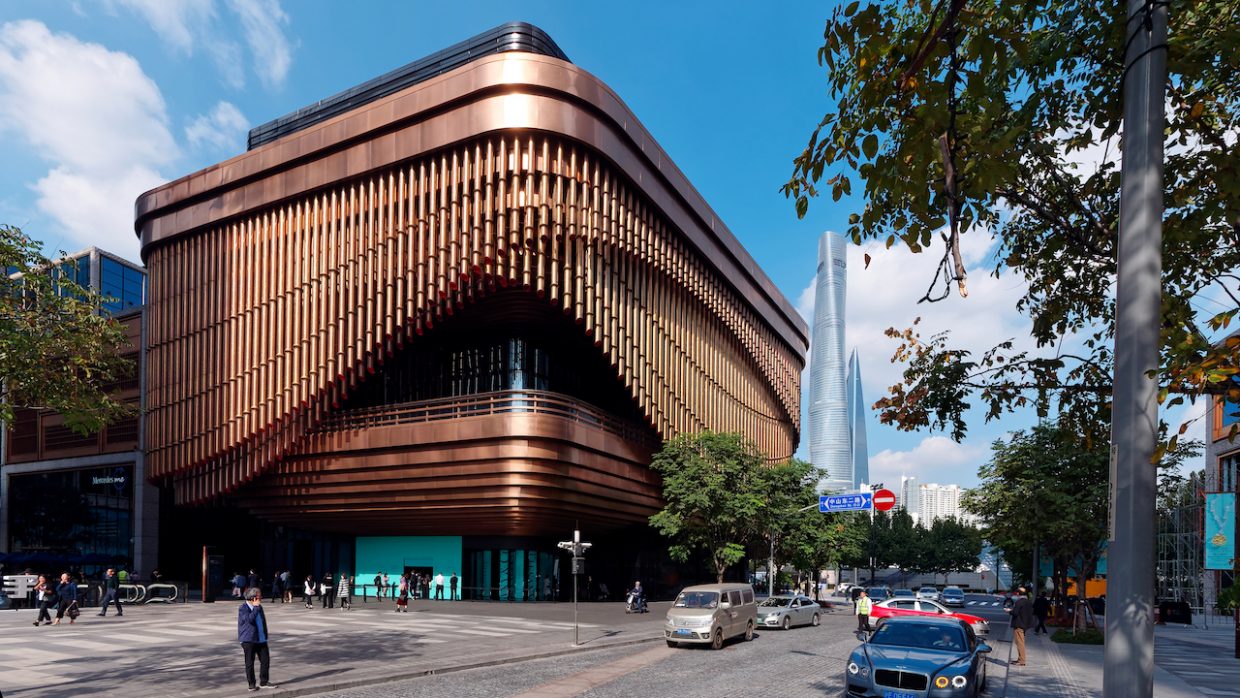
Overseas obstacles for Chinese companies in a post-COVID-19 world
Chinese companies are expanding their footprints to overseas markets to offset slowing domestic economic prosperity. Here's a look at some of the resistance they may face.
Luxury brands take action as coronavirus spreads
More than 13 brands and fashion groups including LVMH, Kering, L'Oreal, Estee Lauder, Perfect Diary and Neiwai made donations or other shows of support, and reaped public gratitude.
US affordable luxury brands’ problems run deeper in China than the trade war
A problem often overlooked is their waning desirability among the Chinese consumer - whose knowledge of affordable luxury brands started to shift long ago.

Predictions for the Chinese luxury market in 2020
Jing Daily forecasts the main developments affecting the luxury fashion industry in China next year.
What luxury brands should have learned about China in 2019
Perhaps the biggest takeaway from 2019 is that many luxury brands are not adapting quickly enough to the shifting market.
LVMH buying Tiffany for US$16.2 billion: brand implications
"There is great potential for Tiffany in China" says LVMH chairman.
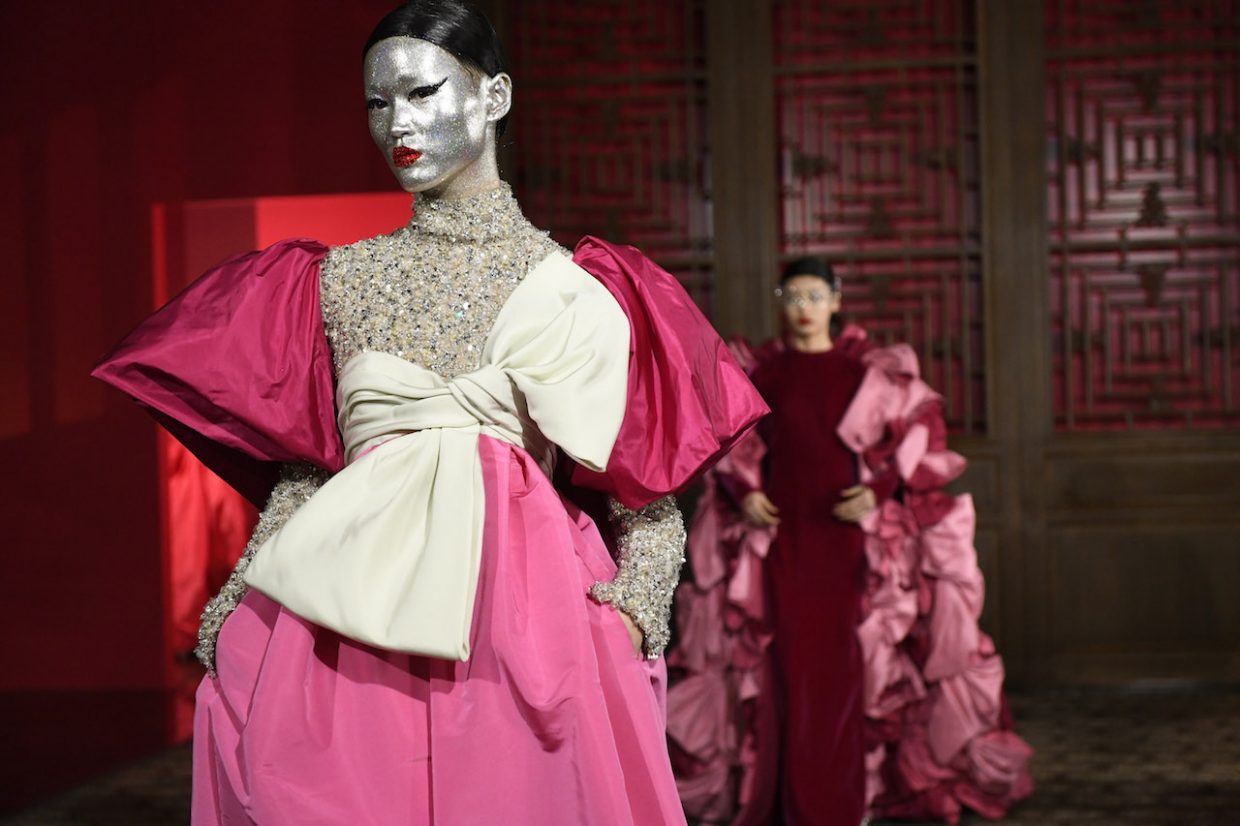
Valentino’s haute couture-meets-streetwear experiment in China
The streetwear trend has been disrupting high-end fashion in recent years, but Valentino has chosen to approach it through the graceful lens of couture. Yet how has the brand communicated this message to Chinese consumers who are just becoming familiar with both?
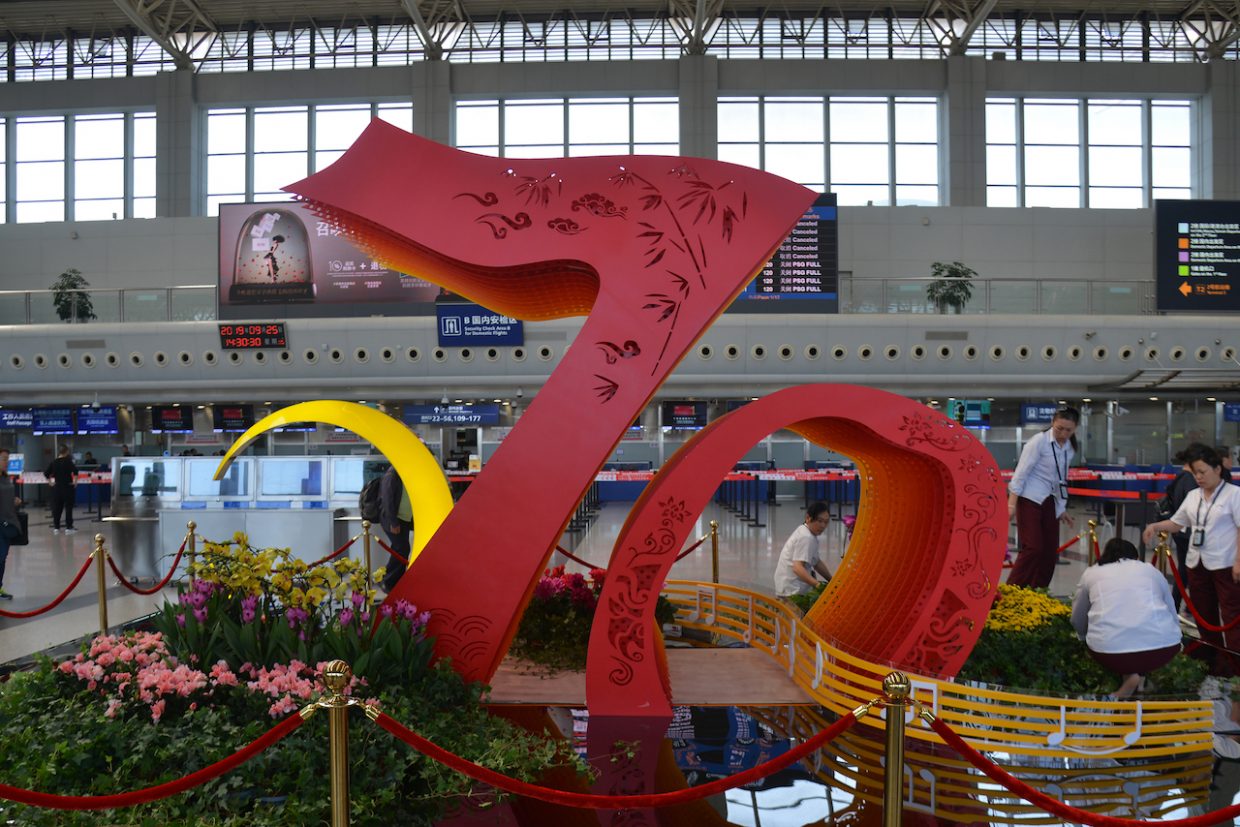
What luxury brands can learn from Golden Week 2019
It wasn't the first-tier cities or millenials driving growth this year.
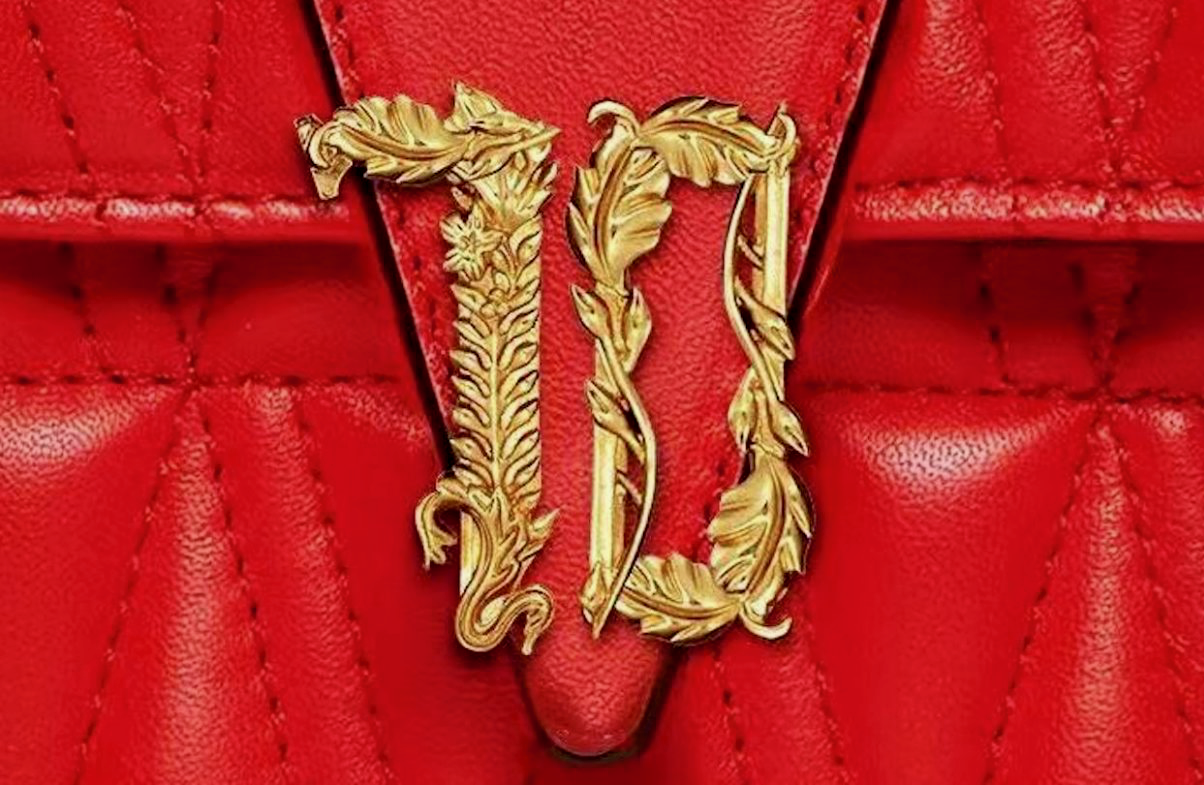
How luxury brands celebrated China’s 70th anniversary
Versace, Givenchy, Sephora and Swarovski among those celebrating with special products.
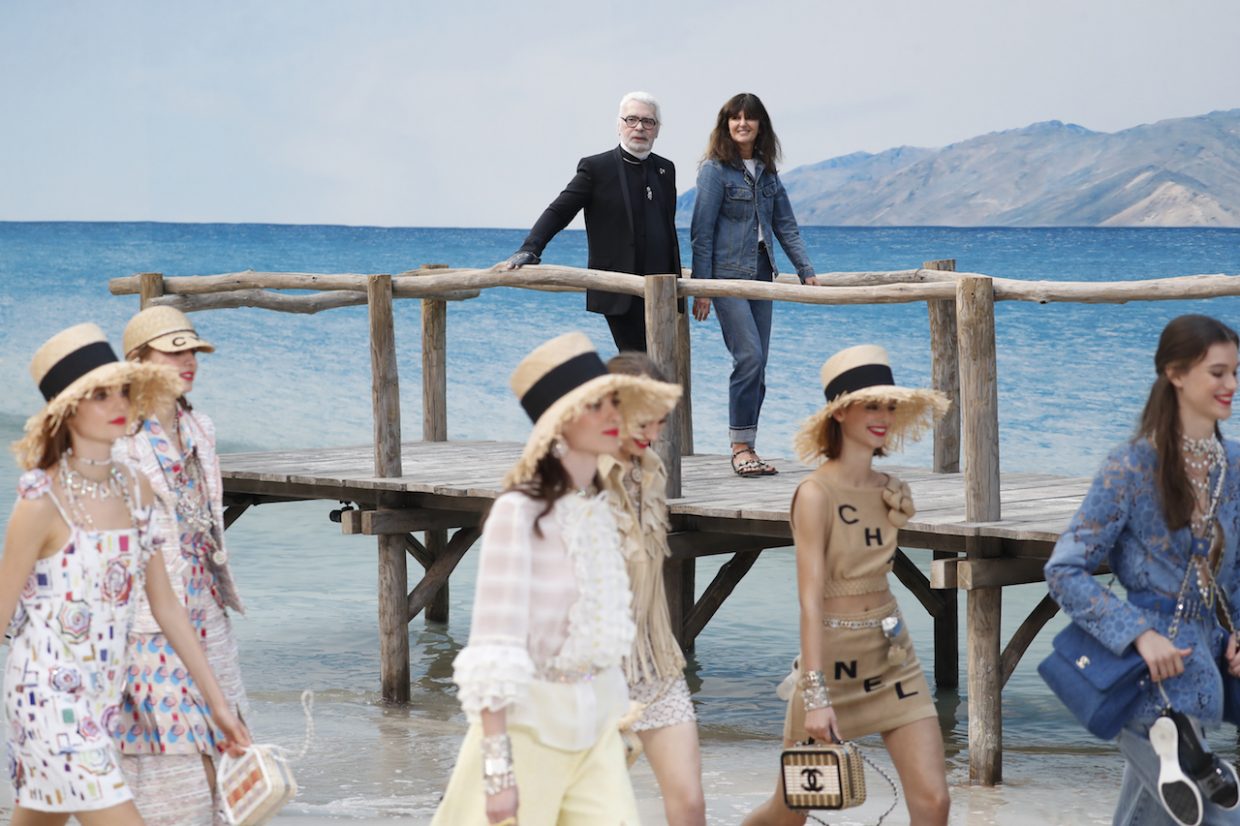
Chanel could pull plug on Hong Kong show
Cruise show slated for November faces uncertainty amid continuing protests.
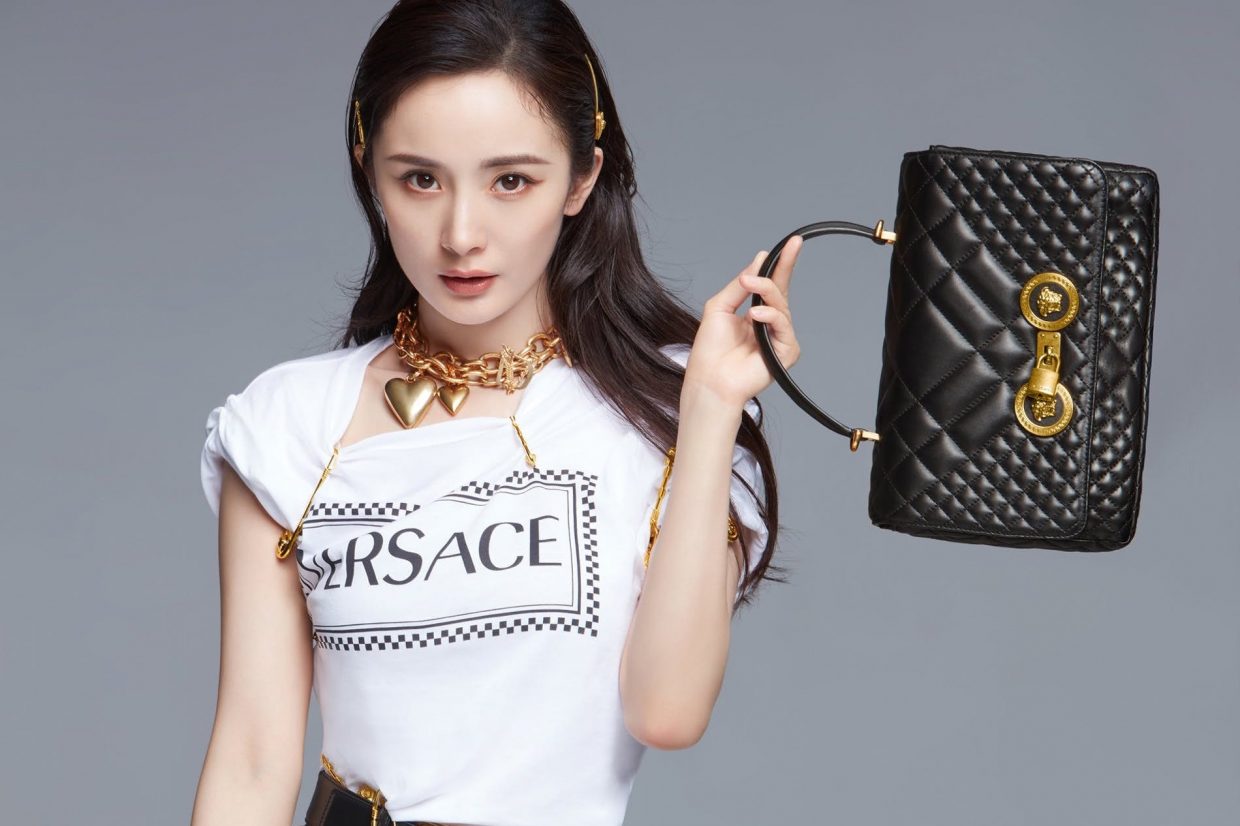
Versace, Coach & Givenchy: Measuring the gravity of the China t-shirt controversy
With heightened political and social tension between Hong Kong and mainland China, luxury brands should pay extra attention to what they say, do, and sell.
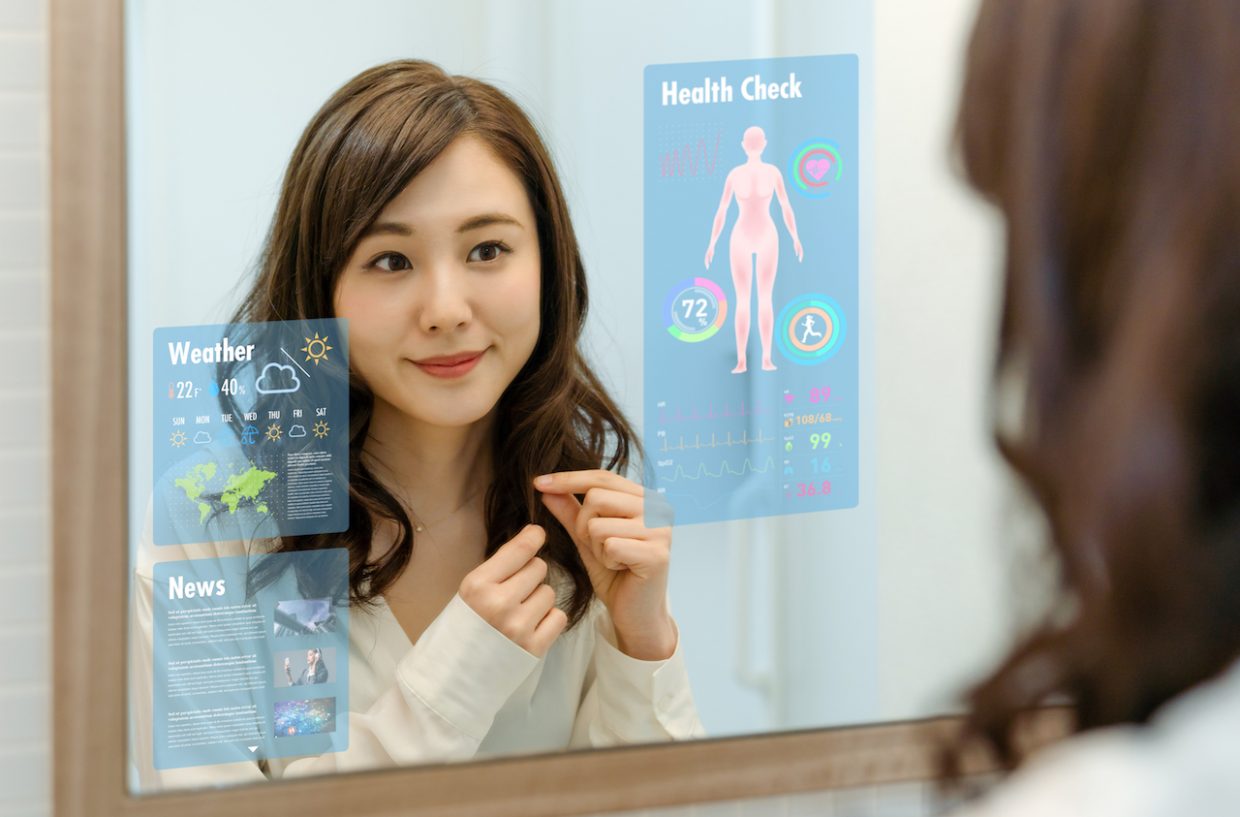
3 unique features of China’s new retail
Much has been written about how shopping in China is more technologically advanced than it is in the West, but at what point did China’s tech surpass the West’s, and what was the country’s formula for producing this unique consumer ecosystem?
MCM builds giant playground in Shanghai flagship store
The German leather goods brand transformed its flagship store in Shanghai by way of a virtual playground.

Hermès unveils scarves at rock'n roll pop-up in China
Hermès hosted an eight-day pop-up event at a record store in Beijing to launch its new scarves collection.

Tencent game tie-in sends lipstick sales soaring
Cosmetics brand M.A.C. scored a big success with special-edition lipsticks co-branded for the Tencent mobile game 'Honor of Kings'.

Not doctor-approved: China bans marketing of beauty products as ‘medical’
Cosmetics brands have quickly removed all 'medical' terms from their official websites.
Major WeChat trends brands can’t ignore in 2019
From mini-programs to monetisation strategies, how might luxury brands most effectively leverage WeChat in the coming year?
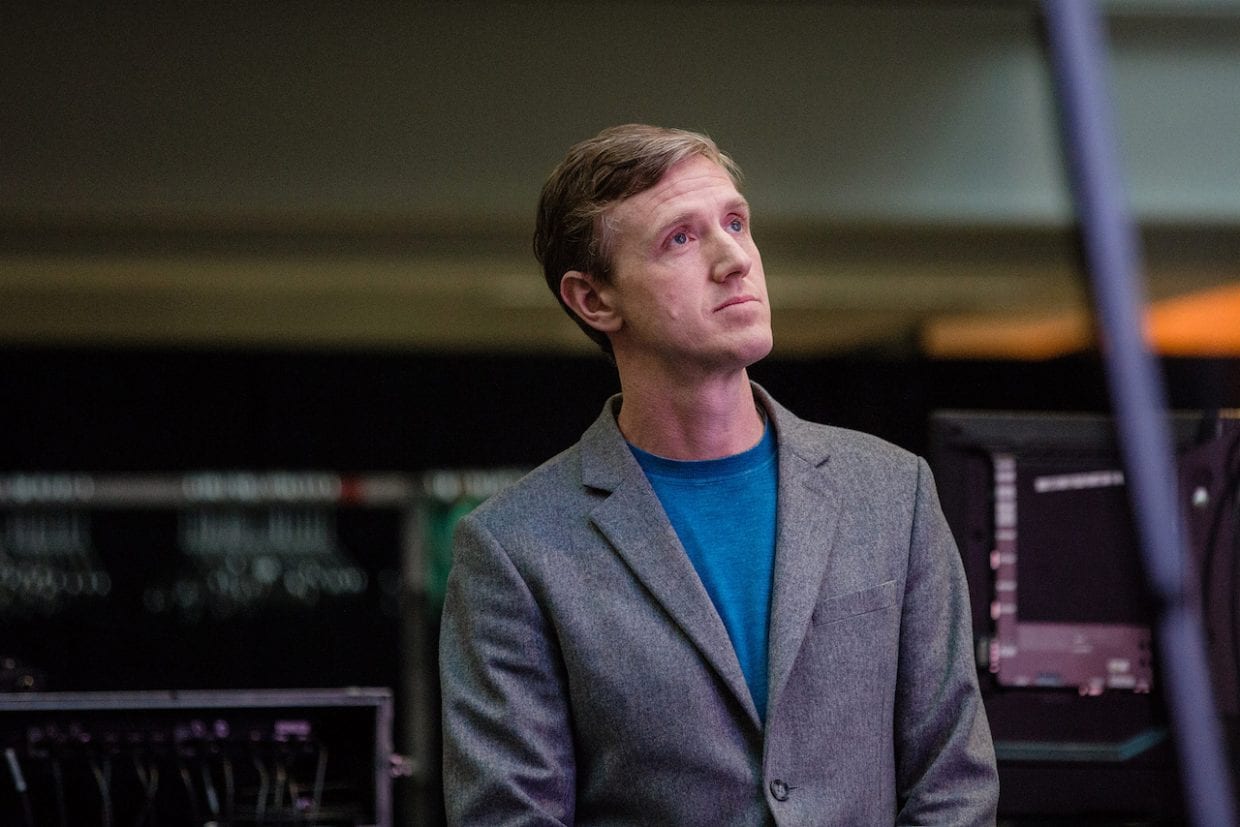
LVMH digital czar on China, sales and the new definitions of luxury
Ian Rogers discusses what the luxury industry has missed about the mobile experience and how he has tried to make online shopping more luxurious.
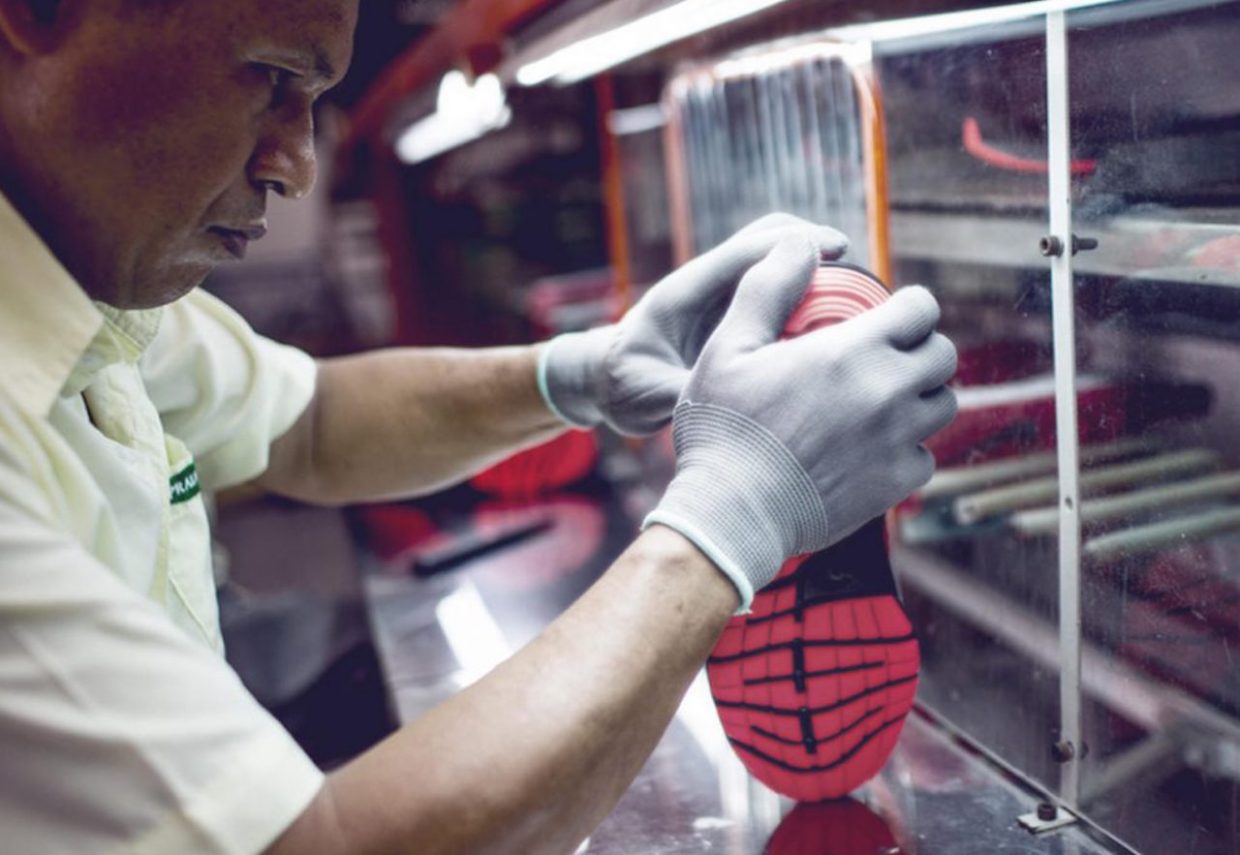
World Consumer Rights Day is back: Prep your PR team
The theme for this year’s two-hour show is ‘quality consumption’, making the luxury industry a likely target.

The 5 diverging ways luxury brands approach China ecommerce
Ecommerce seems is shaping up to be a defining facet of luxury brands’ strategies in China in 2018, but each is handling the task very differently.
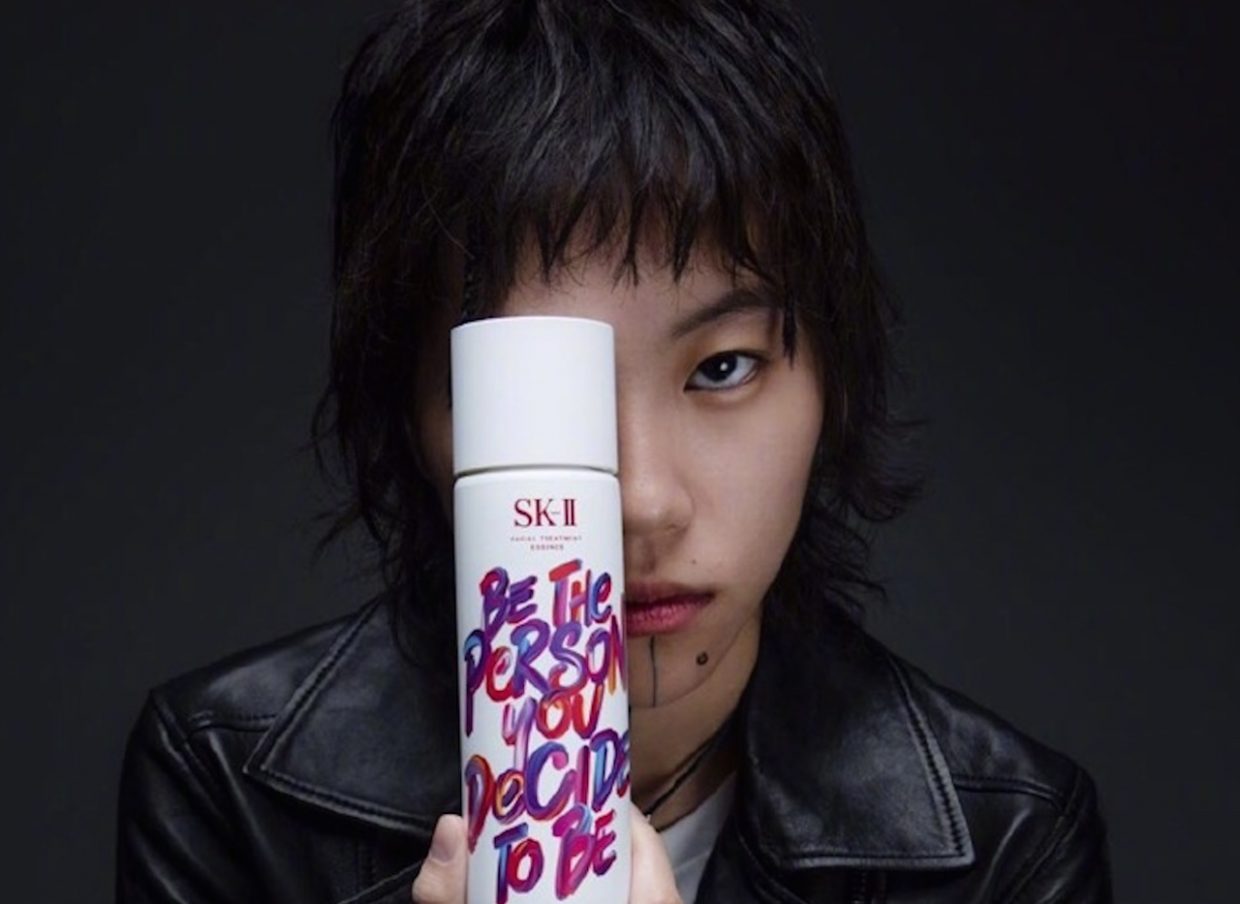
Decoding Chinese millennials: Navigating gender roles
Chinese millennials yearning for freedom and diversity are exploring blurred gender roles.

These WeChat campaigns won over 'Super Golden Week' luxury tourists
Jing Daily analyses the campaigns that worked, and a few that didn't.