Pandemic makes its marks, even in Taiwan
ASIA's TOP 1000 BRANDS: Even though its management of the pandemic was exemplary, Taiwan did not escape unscathed economically, nor in terms of lasting changes in consumer consumption.


ASIA's TOP 1000 BRANDS: Even though its management of the pandemic was exemplary, Taiwan did not escape unscathed economically, nor in terms of lasting changes in consumer consumption.

ASIA'S TOP 1000 BRANDS: Hard hit by control measures, consumers are living through a recession and re-examining product attributes and their preferred brands.

The economy experiences its worst slump since 1981 as consumer confidence falls 20 points amid fears about health and job security.

Vietnamese consumers remain cautious about the outlook, which translates to buying more staples, prioritising health and supporting local brands more, according to Nielsen.

ASIA's TOP 1000 BRANDS: New Zealand's envy-of-the-world handling of the pandemic doesn't mean its economy was left unscathed, and consumers continue to exercise caution as they reset their habits, according to Nielsen.
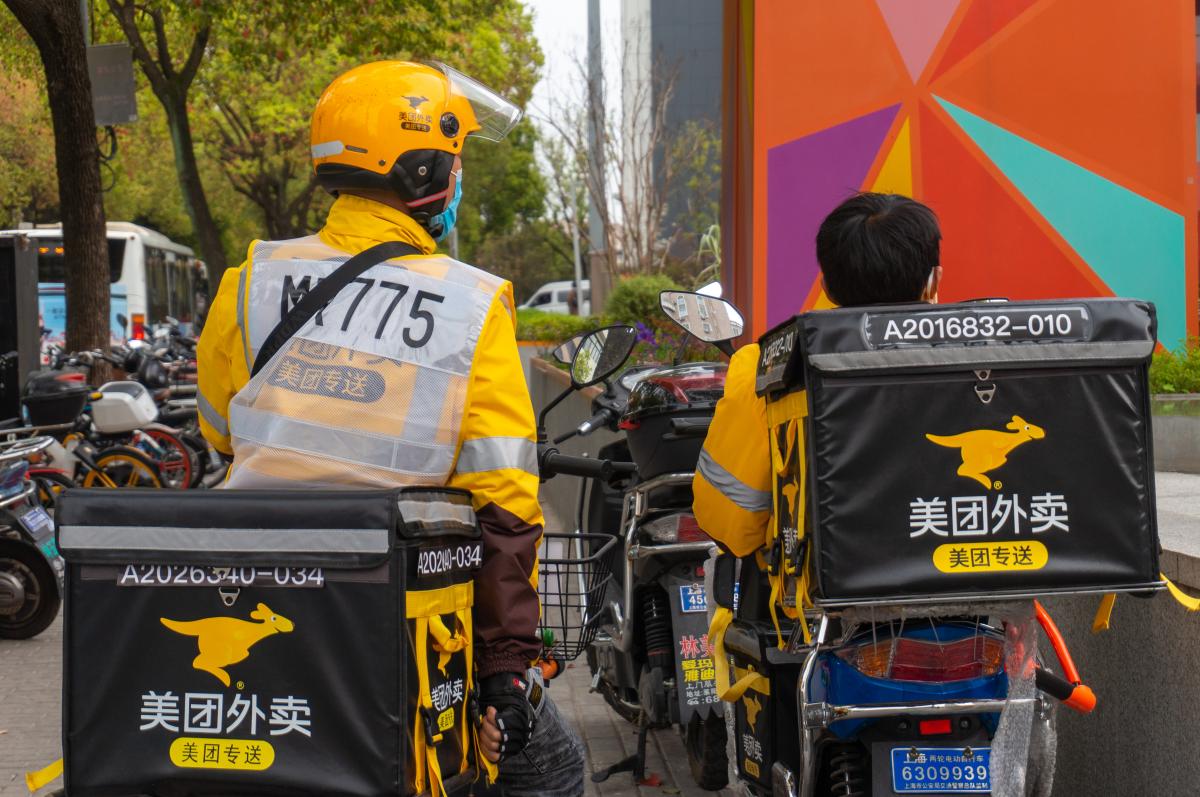
ASIA's TOP 1000 BRANDS: Despite the pandemic hit early in the year, China continues to spin out an impressive amount of FMCG product innovations and is enjoying growing consumption momentum.
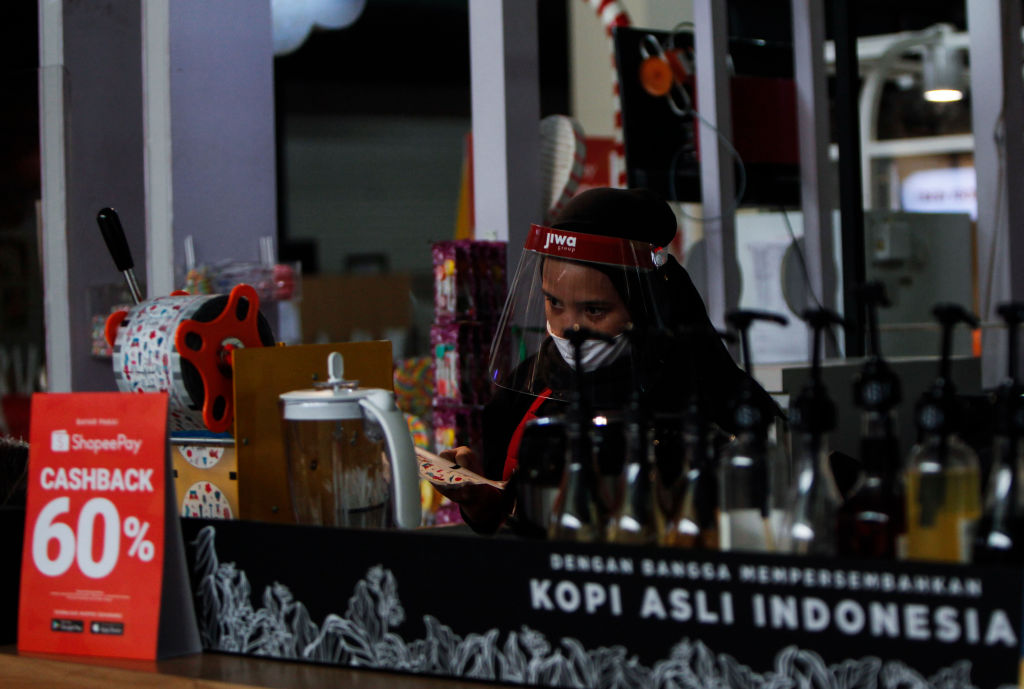
Covid-driven economic concerns have reset consumer purchasing habits on the basis of safety measures and affordability.

ASIA's TOP 1000 BRANDS: Consumers in Singapore had grown more price-conscious even before the pandemic left the island nation reeling from recession, according to the Nielsen snapshot of key indicators and trends.
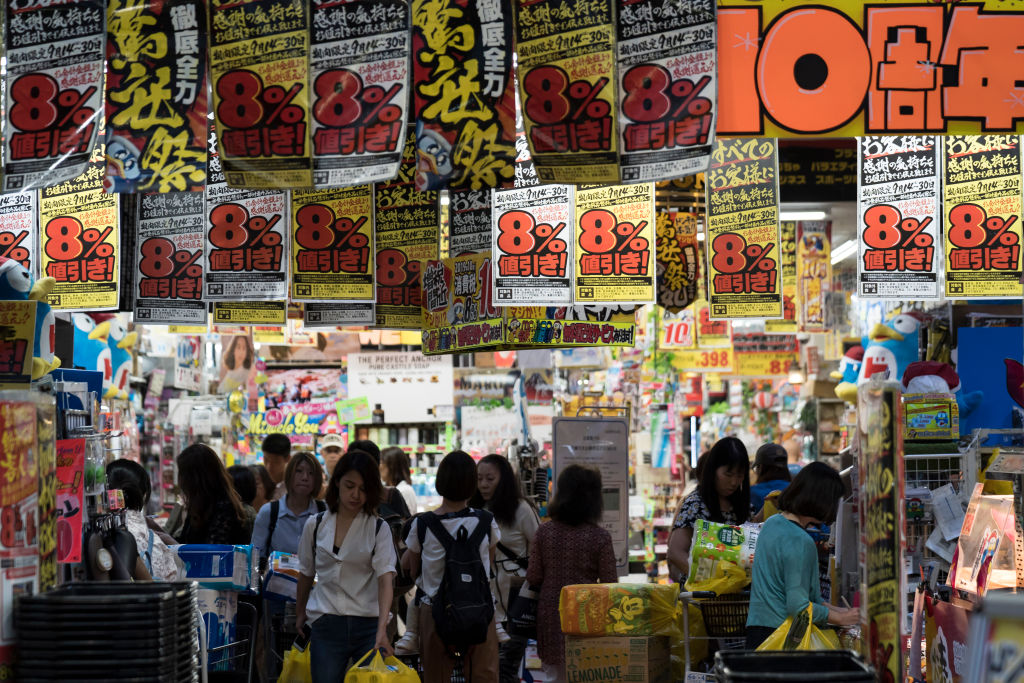
ASIA's TOP 1000 BRANDS: An ageing population, shrinking economy and pandemic worries means Japanese shoppers will become exceedingly selective for value and services, according to Nielsen.
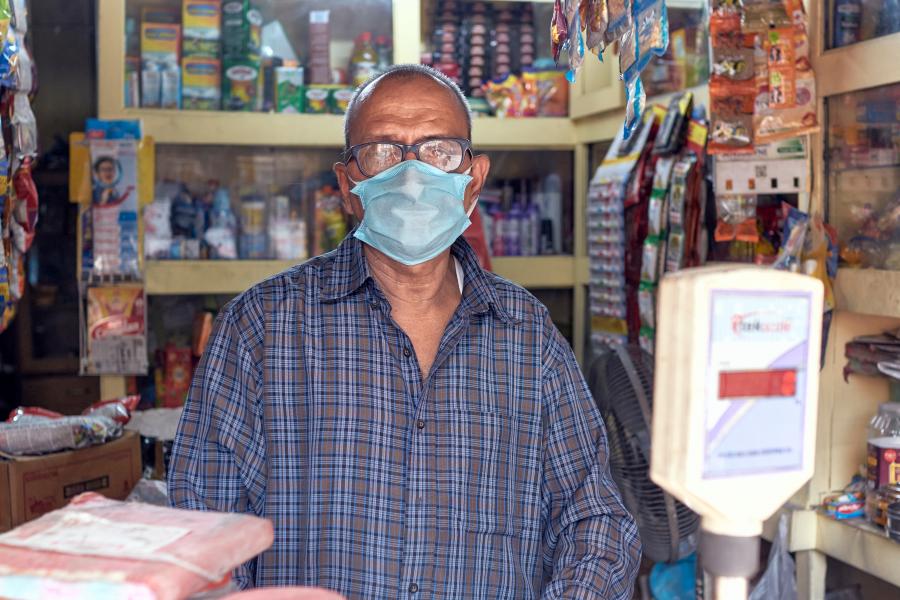
ASIA's TOP 1000 BRANDS: Consumer sentiment in India's giant economy remains positive so far, but consumers have rising concerns about health, economy and job security.

ASIA'S TOP 1000 BRANDS: As Thailand's travel and hospitality industry is rocked by COVID-19, the economy and FMCG industry is realigning to focus on home, health and safety.

ASIA's TOP 1000 BRANDS: Amid protests, pandemic and pessimism, Nielsen explains how Hong Kong consumption has changed in recent months.

ASIA's TOP 1000 BRANDS: The government's responses to the sequential crises that befell the country have spurred consumption, but consumer confidence remains low looking ahead.

ASIA's TOP 1000 BRANDS: Even in one of the least impacted markets, the pandemic has driven significant changes in shopping behaviours, according to Nielsen.
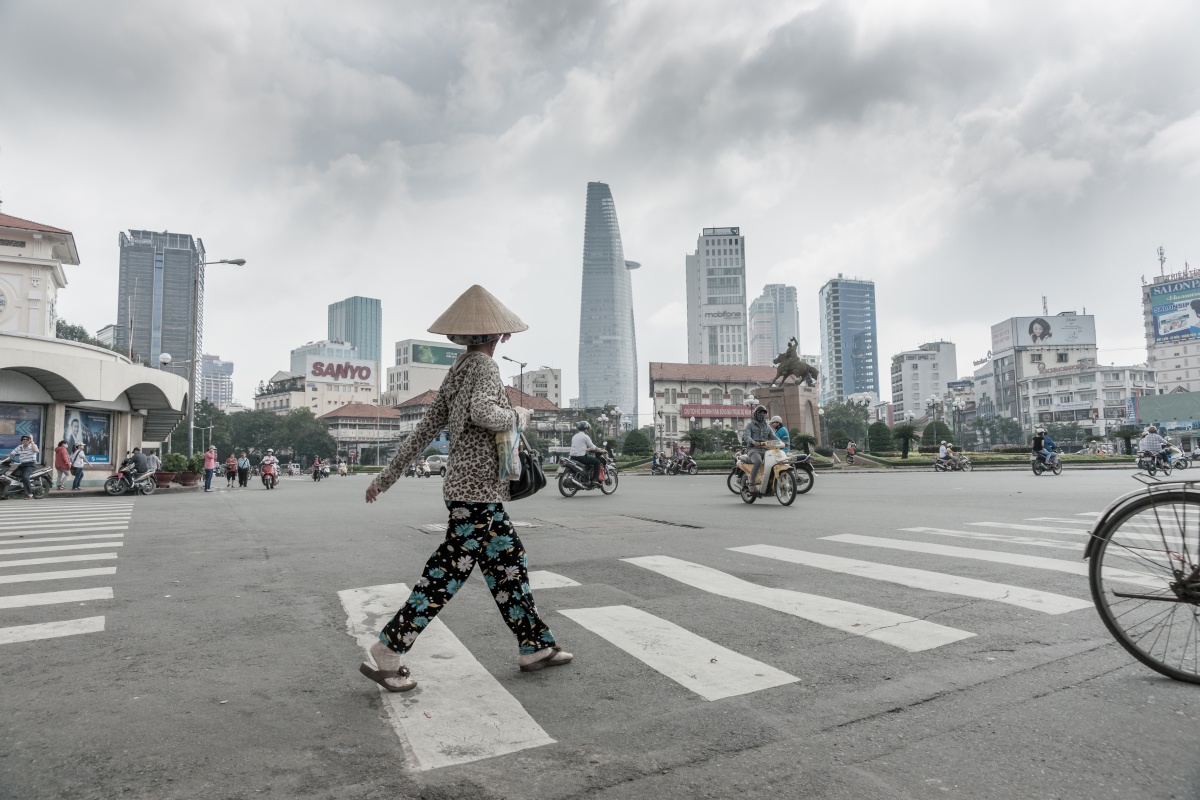
The fastest-growing economy in ASEAN is driving rapid evolution in consumer behaviour.

Sophisticated online shoppers seek healthier options, diversity in selection and better experience.

Meanwhile, the ageing population is responsible for growth in product categories related to health and wellness.

The financial climate in the city may be low-spirited, but FMCG ecommerce sales are surging and brands can take heart from Singaporeans' love of trying new products.

Brands in New Zealand need to work hard to lure loyal consumers away from their favourite products, in a market where the economic forecast appears tentatively optimistic.
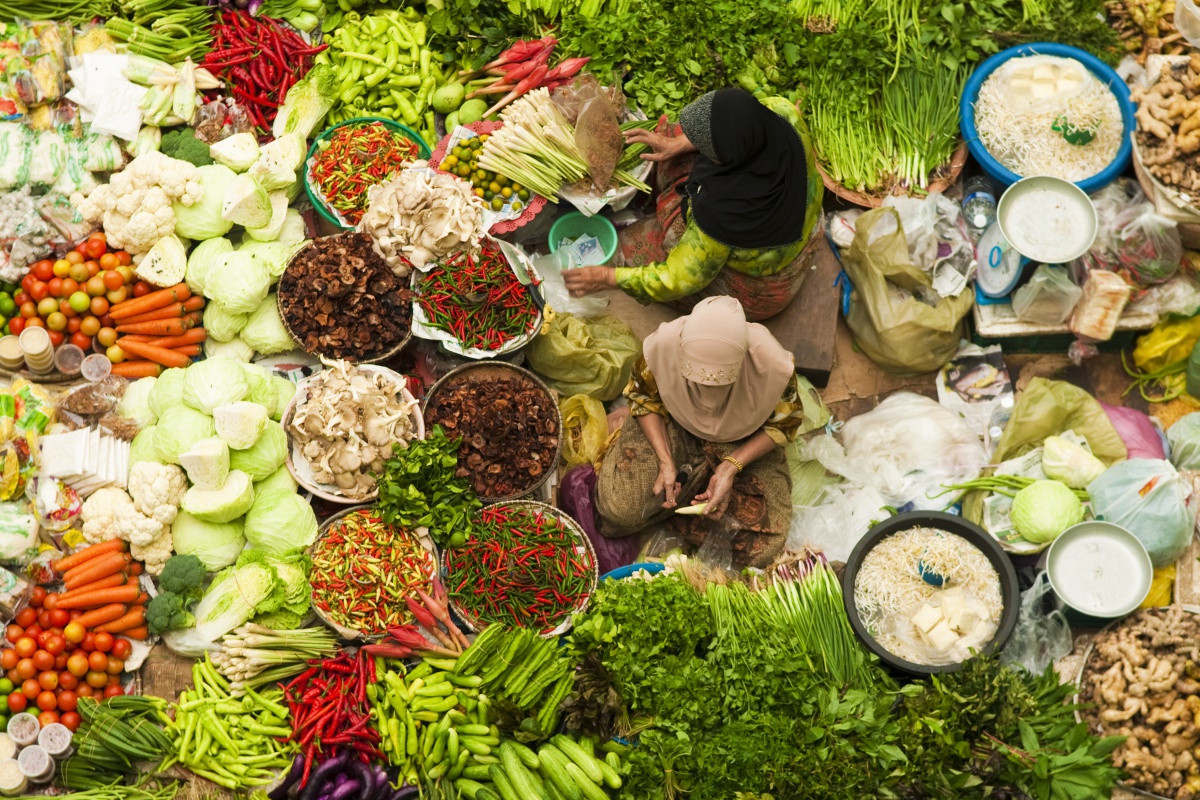
While confidence remains high, certain segments should take note: the impact of the country's new Sugar Tax remains to be seen, and more and more Malaysians are choosing convenience shopping over supermarkets.
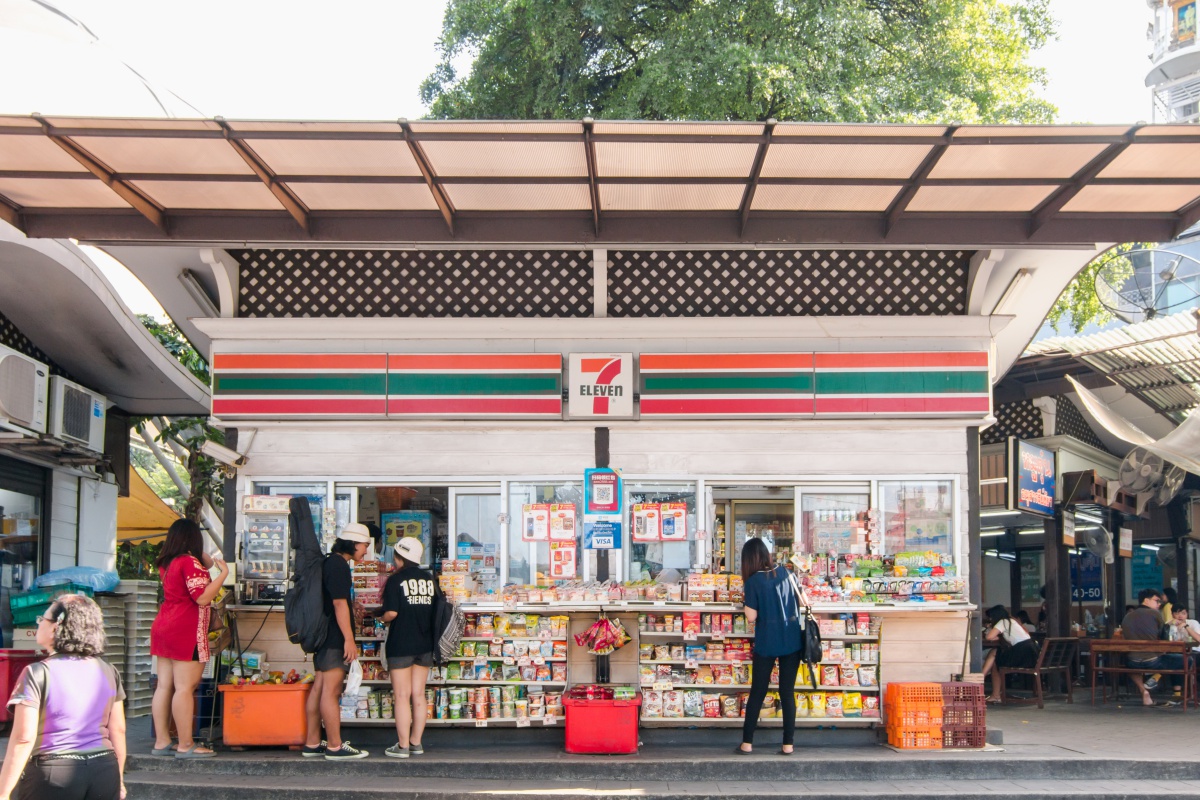
Consumers remain confident in Thailand, with a government welfare scheme helping to offset concerns over the ageing population; and convenience stores growing in popularity.

Amid the general good news on India's economy, there are a few sticking points—most notably around growing unemployment.

As FMCG growth slows, marketers in Hong Kong face a populace that's not reluctant to switch brands if they see a good reason to do so.

Higher consumption and spread of mobile Internet means Filipino consumers are interacting with brand names like never before.

Shopping behaviour is changing in this Southeast Asian market, with its young population representing potentially vast unlocked opportunities.

There are plenty of reasons to worry — consumer confidence is down, the economy is more shaky than it has been — but Japanese consumers are loyal, and the 2020 Olympics may perk things up.

Though its economy has been stable for a decade, Australia's lower-than-expected growth in 2018 have led to a cautious 2019-2020 forecast.

The digital economy is transforming consumption patterns and has become a key driver of economic growth.
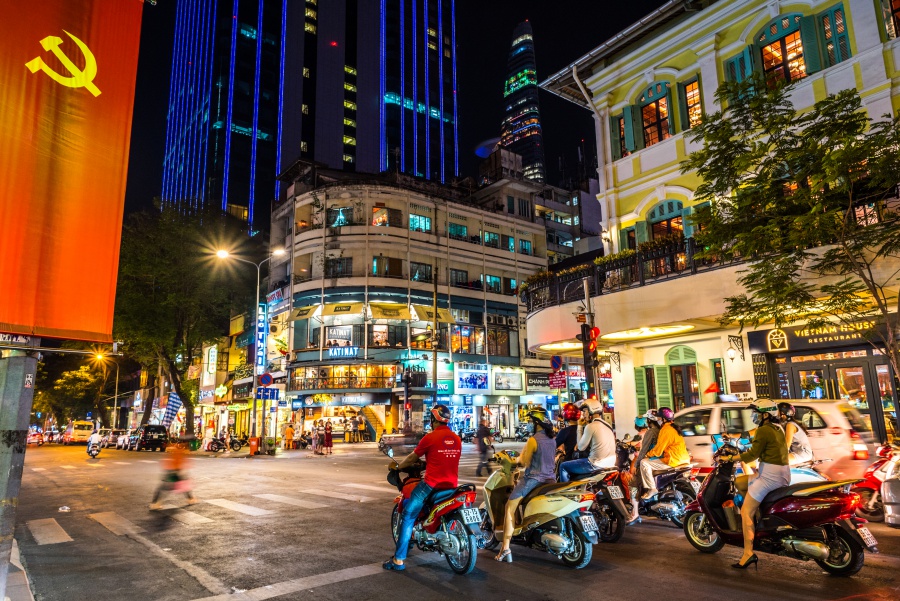
With strong economic growth and a highly connected populace, although companies still need to implement the right strategy for rural as well as urban consumers.

Koreans want faster and more personalised service, as e-commerce expands into fresh-food categories and home meal services.

Solid GDP growth is moving Malaysians up the spending-power ladder.

Despite the positive outlook, challenges remain the same as in other APAC countries for brands that want to stay top of mind in New Zealand.

Decreased unemployment, rising salaries, and investment in the stock market signal positive sentiment.

But Thai consumers remain concerned about issues such as global and local economic uncertainties as well as job security.
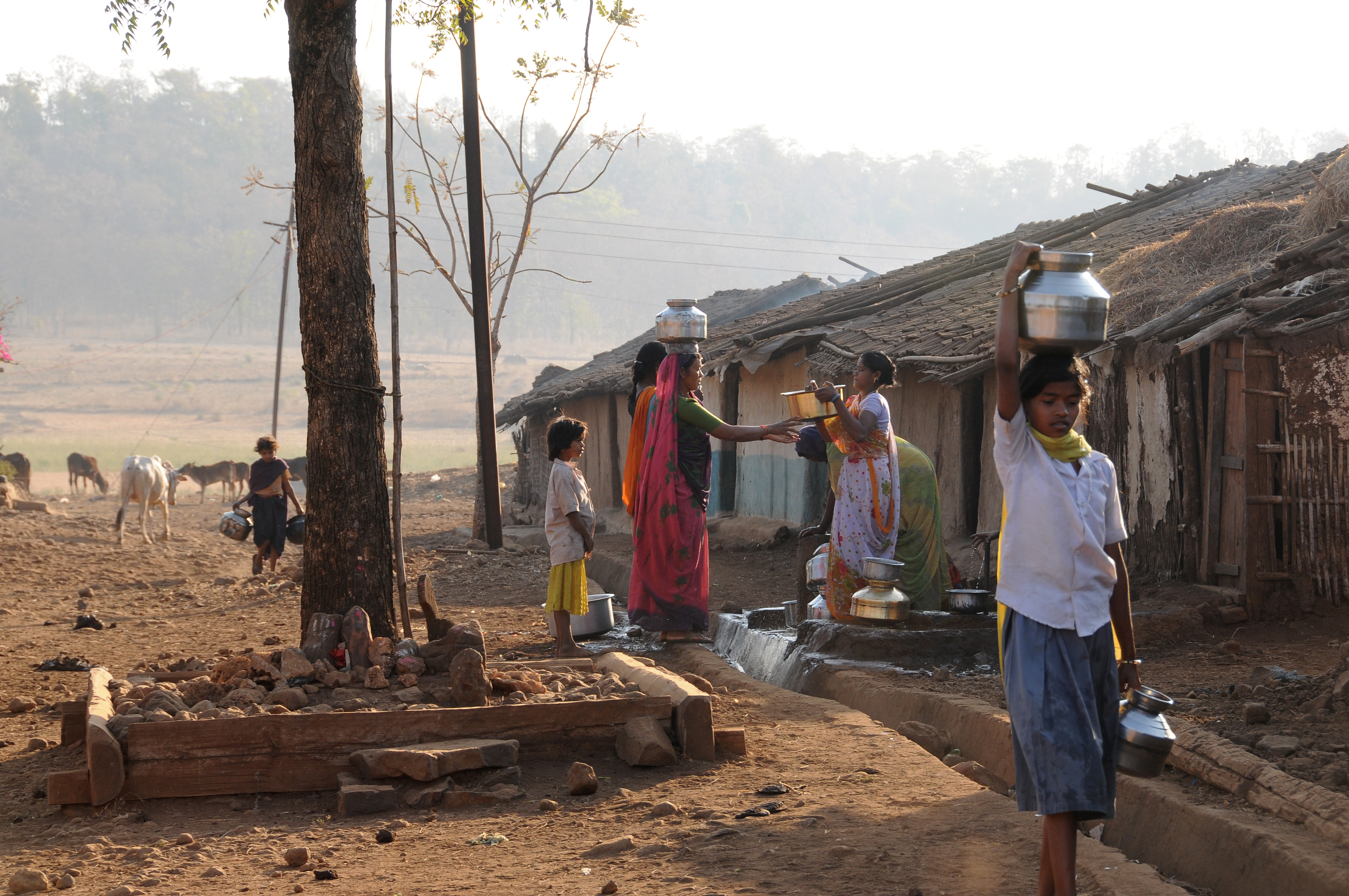
Consumer optimism is high and the economy appears to be in recovery, but challenges remain around India's digitalisation, particularly in rural areas.
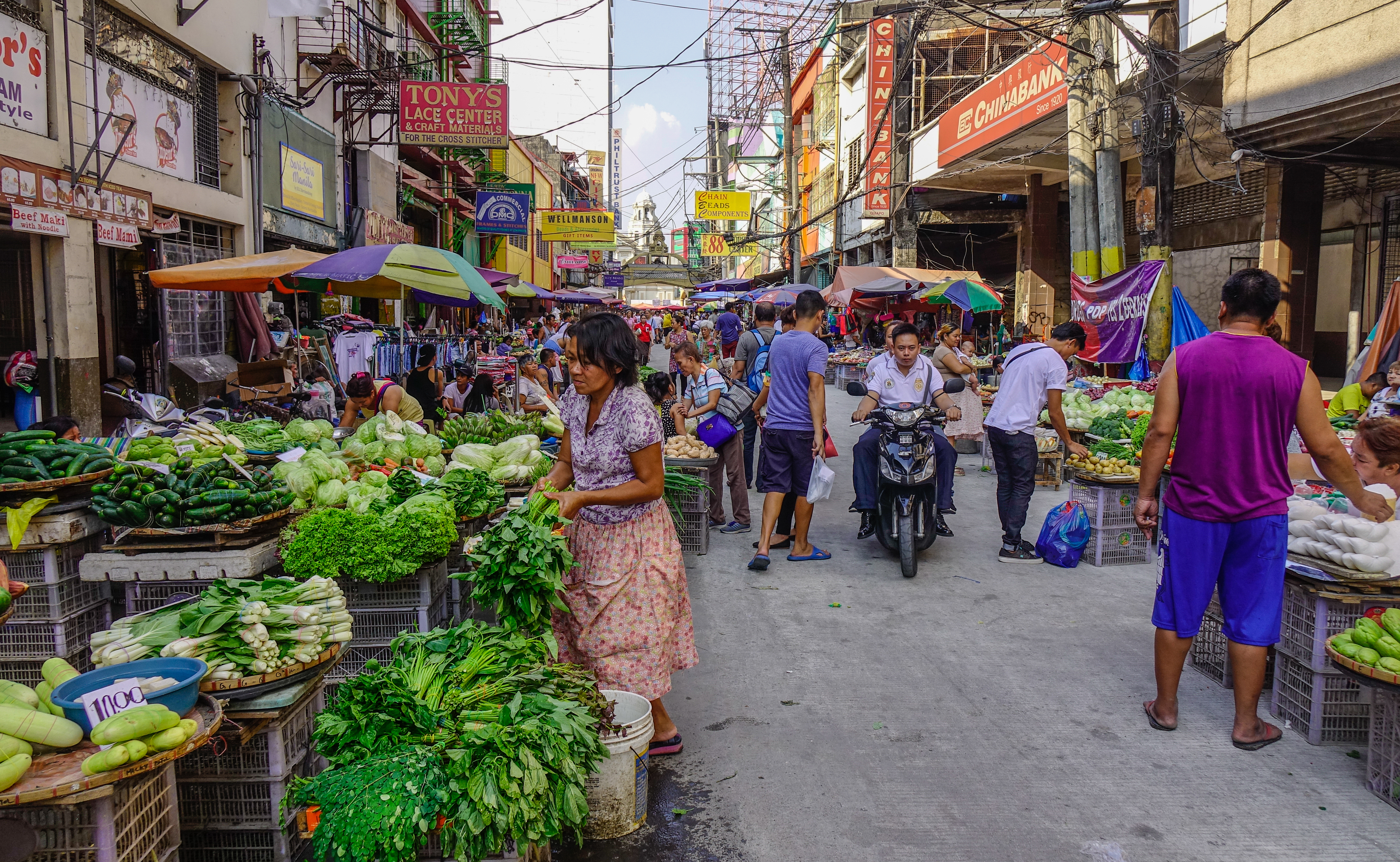
The consumer market is still growing quickly in Philippines, though inflation and new taxes may dampen consumer spending.

Luxury goods, premium retail experiences and health innovations will get Hong Kong's attention, according to Nielsen.

Online shopping is gathering momentum and Singaporean shoppers are increasingly optimistic, finds Nielsen.
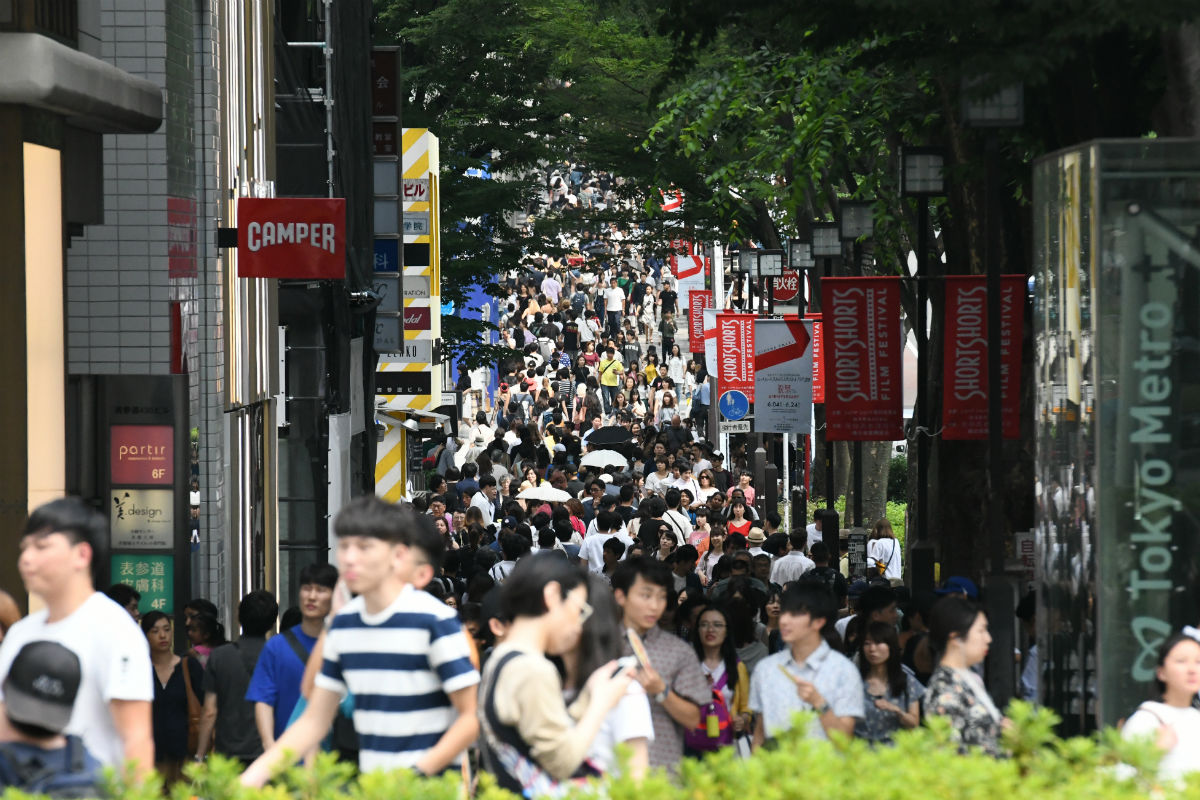
Growth does not come easily in Japan, but brands are experimenting with service innovation to stay ahead.
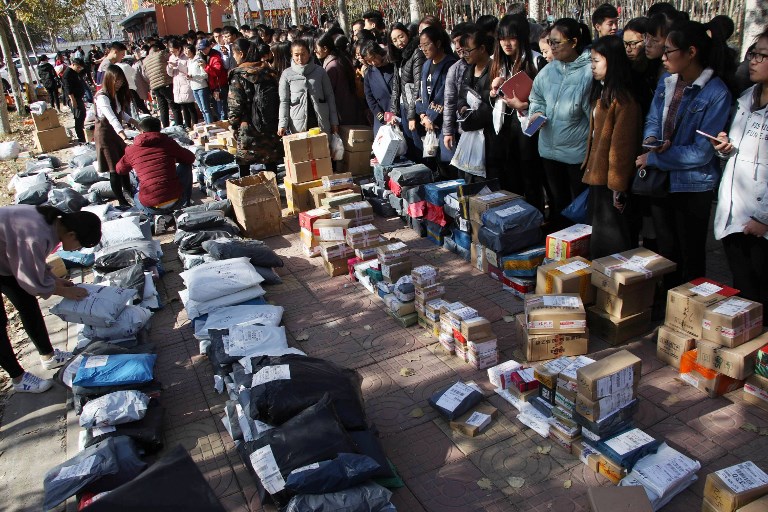
Thanks to a burgeoning middle class and growing digital spend, China's outlook and consumer confidence levels remain optimistic, particularly for local and premium brands.

Net disposable income is down and consumer confidence remains flat—but there is room for cautious optimism in some corners of the Australian market.

Australia's shoppers are buying with caution today – but strong avenues for growth are on the horizon.

Nielsen provides insights into Taiwan's economic outlook and retail backdrop.

Nielsen provides insights into Thailand’s economic outlook and retail backdrop.
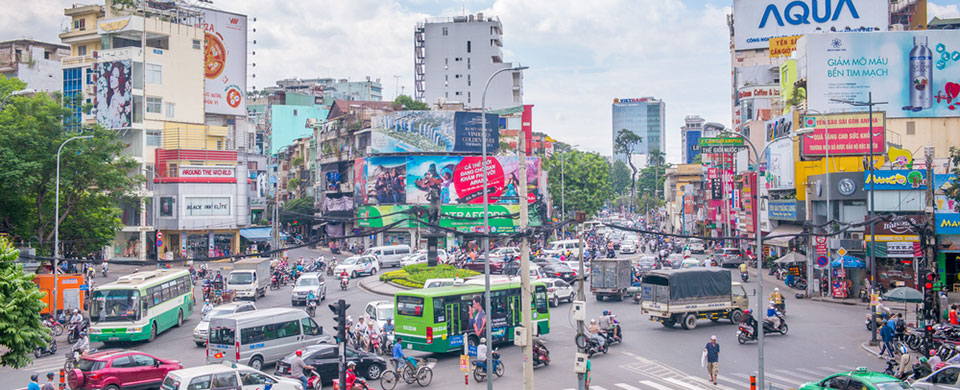
Nielsen provides insights into Vietnam's economic outlook and retail backdrop.

Nielsen provides insights into Malaysia’s economic outlook and retail backdrop.
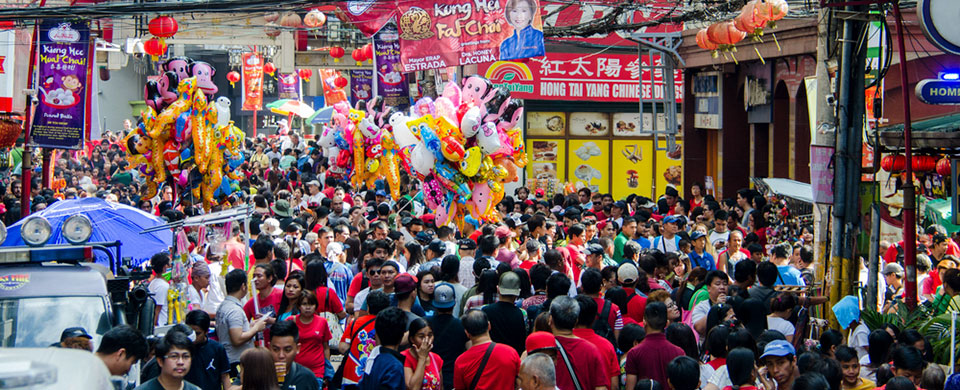
Nielsen provides insights into Philippines' economic outlook and retail backdrop.

Nielsen provides insight into South Korea's economic outlook and retail backdrop.
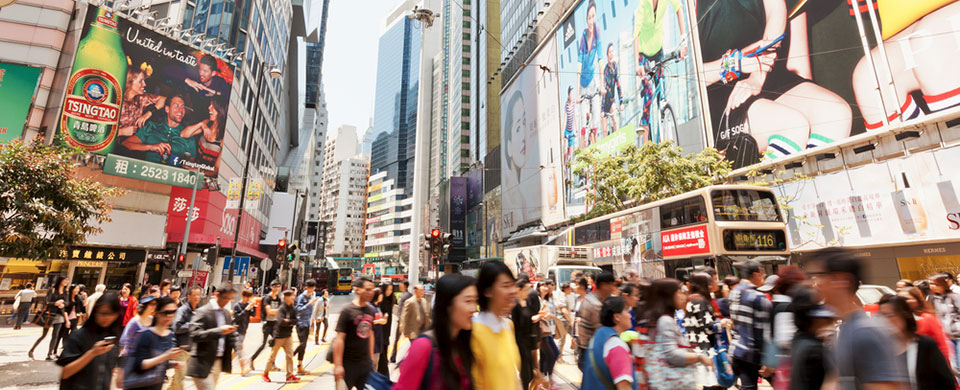
Nielsen provides insight into Hong Kong's economic outlook and retail backdrop.
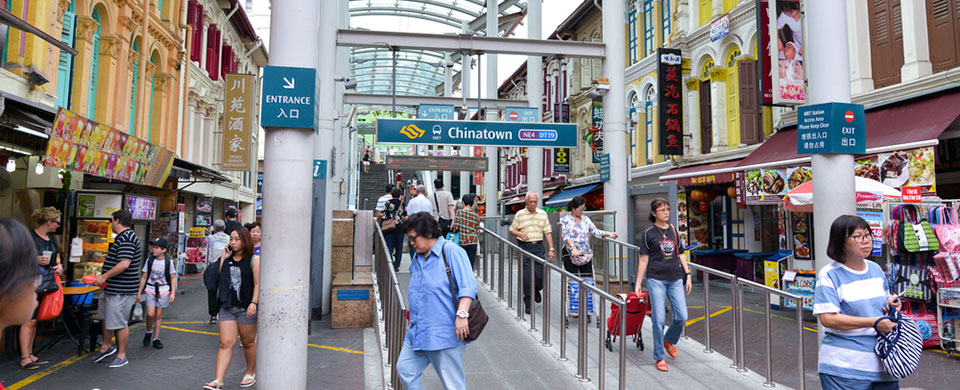
Nielsen provides insight into Singapore's economic outlook and retail backdrop.

Nielsen provides insight into China's economic outlook and retail backdrop.

Nielsen provides insight into Japan's economic outlook and retail backdrop.
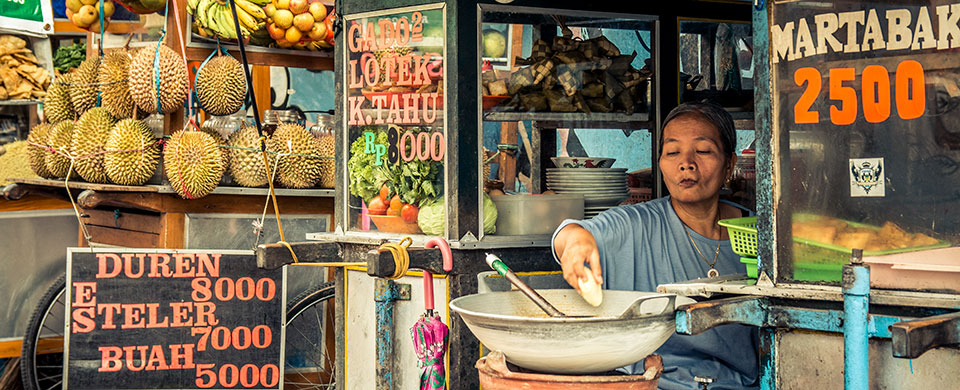
Nielsen provides insight into Indonesia's economic outlook and retail backdrop.
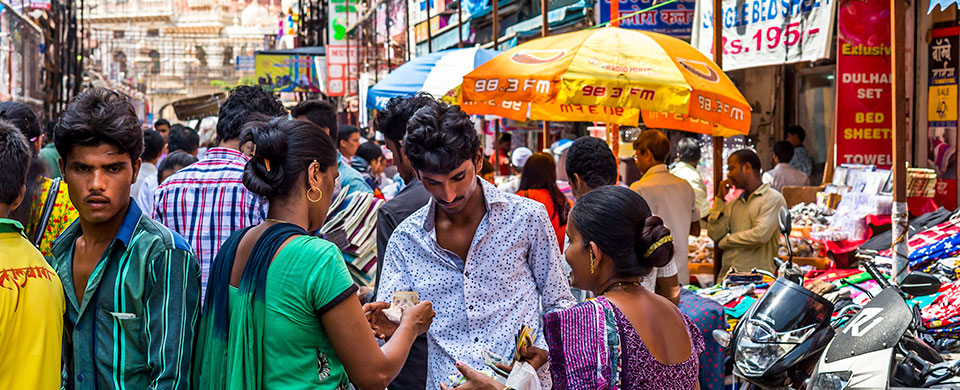
Nielsen provides insight into India’s economic outlook and retail backdrop

In recent years Thailand has staked its claimed as one of the key trade hubs for Southeast Asia.

Economic performance is flat, but online sales are booming. South Koreans demand efficiency, convenience and value.

Global auto sales have grown every year since 2009’s recession, and though growth appears to be slowing, 2015 should still bring positive news.

Confidence is high in Vietnam with habits and preferences shifting. As Nielsen explores in this market analysis, the country is undergoing fundamental changes which present golden opportunities

An optimistic land of opportunity with strong fundamentals and buoyant confidence from consumers to spend on lifestyle.

Malaysian consumers are among Asia's least confident against a backdrop of inflation and rising costs of living. Hypermarkets and FMCG saw gains while personal-care and houshold brands stuggled. Look to youth and the middle class to drive the market.

One of Asia’s most international cities, Hong Kong's mobile-usage rate is ahead of most markets but the city's savvy shoppers seem to be lagging in the purchase department this year.

Food and clothing brands could face tough times ahead in Singapore. Shrinking household size has knock on effects for several brand sectors.
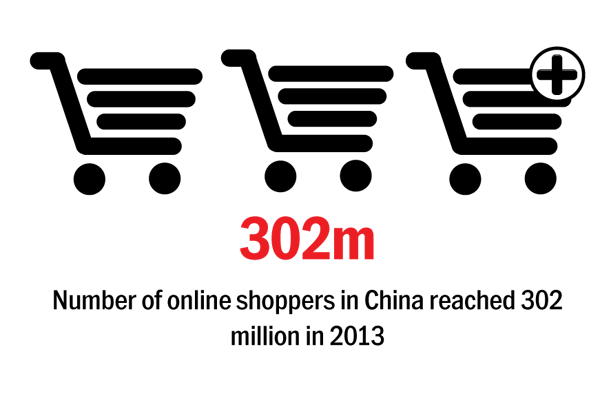
Not only are Chinese consumers changing what they shop for, they are changing the way they shop. E-commerce has been, and will continue to be, a fast-growing channel that is re-shaping the retail landscape in China.
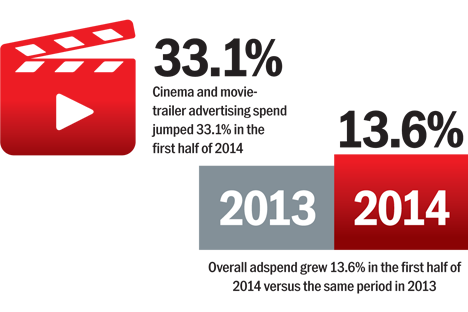
The Malaysian economy hit is highest point in over a year recently, and consumer confidence is strong. But rising inflation is hitting spending, and a 2015 general sales tax is likely cause more caution around spending.
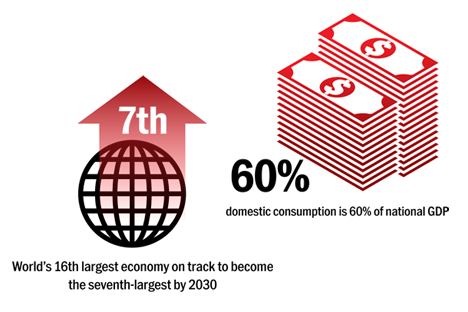
Economists’ largely base optimistic outlook for Indonesia on its low exposure to US and European economies as well as its strong domestic consumption (60 per centof national GDP). Both factors are key to the country’s economic buoyancy and make the island nation a lucrative market for multinational brands.
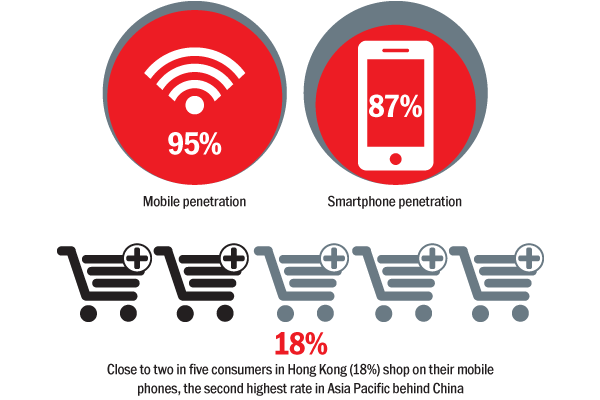
Rising optimism and positive outlook drive consumer readiness to spend. The market is poised for solid growth throughout the remainder of the year, evidenced in part from robust Chinese New Year gifting sales in 2014. Nielsen’s Consumer Confidence Index for Hong Kong has rebounded in recent years, reaching a level 15 points above the global index.
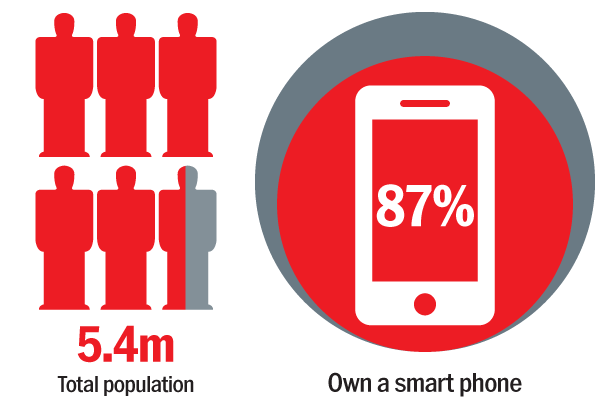
With a strong economy and one of the world's highest per-capita GDPs, people in Singapore are confident about their earning potential, the state of their finances and their shopping intentions. In addition, as Nielsen reports in this exclusive overview, consumers in the city-state are ever more reliant on digital media.