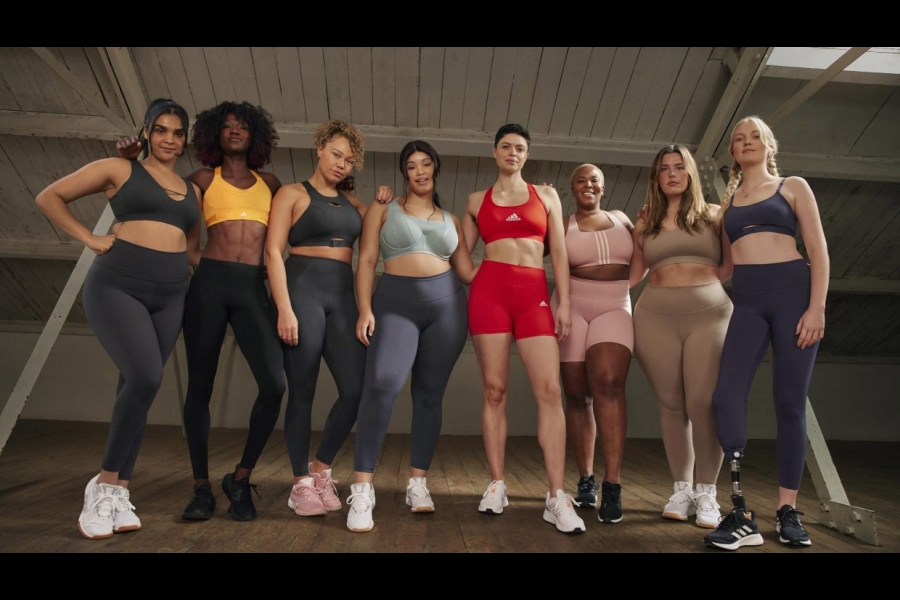
The brand dove into China’s growing intimates market with its controversial #SupportisEverything campaign. but will find it challenging to win customers in this sensitive segment.

Choose Campaign site
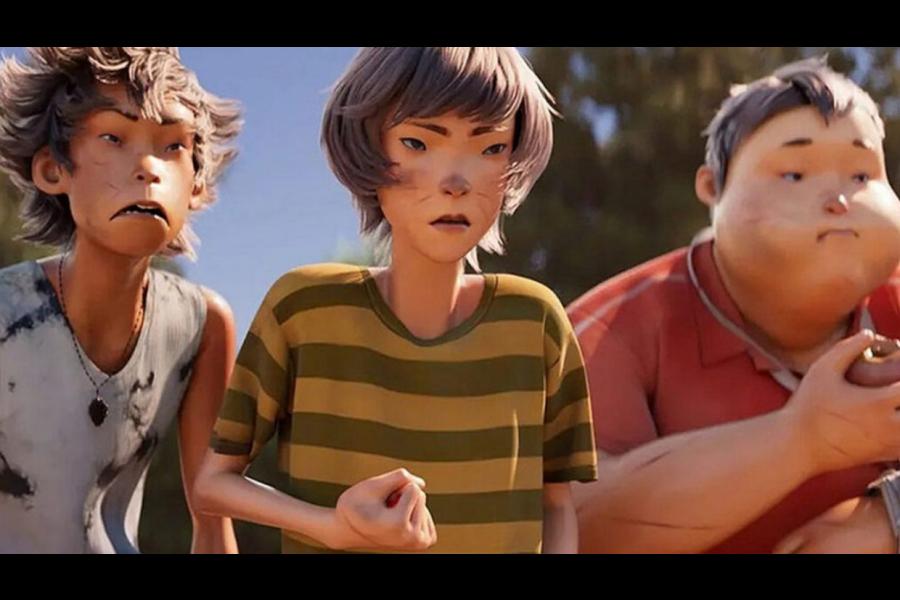
Brands perpetuating racial stereotypes in China face growing boycott movement
From Mercedes-Benz to Made-in-China companies, brands have angered netizens over Chinese marketing with 'slanted-eye' looks.

China’s influencer pay gap has closed—but not its culture gap
The influencer industry is rife with racial inequality. But in China, homegrown KOLs make more than their Western counterparts. So what’s the problem then?
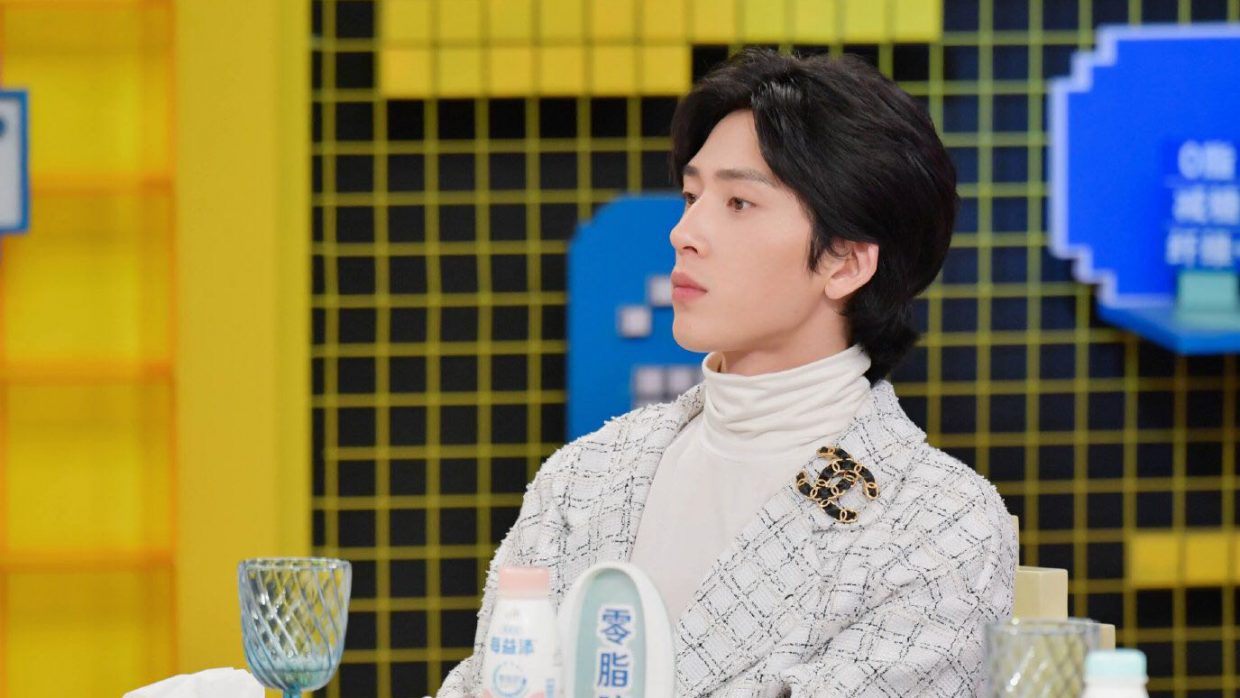
Forget gender-neutral fashion. Chinese men want women’s clothes
Young Chinese men have turned to women’s clothes for inspiration. But can brands capitalize on this trend while the government pushes traditional masculinity?
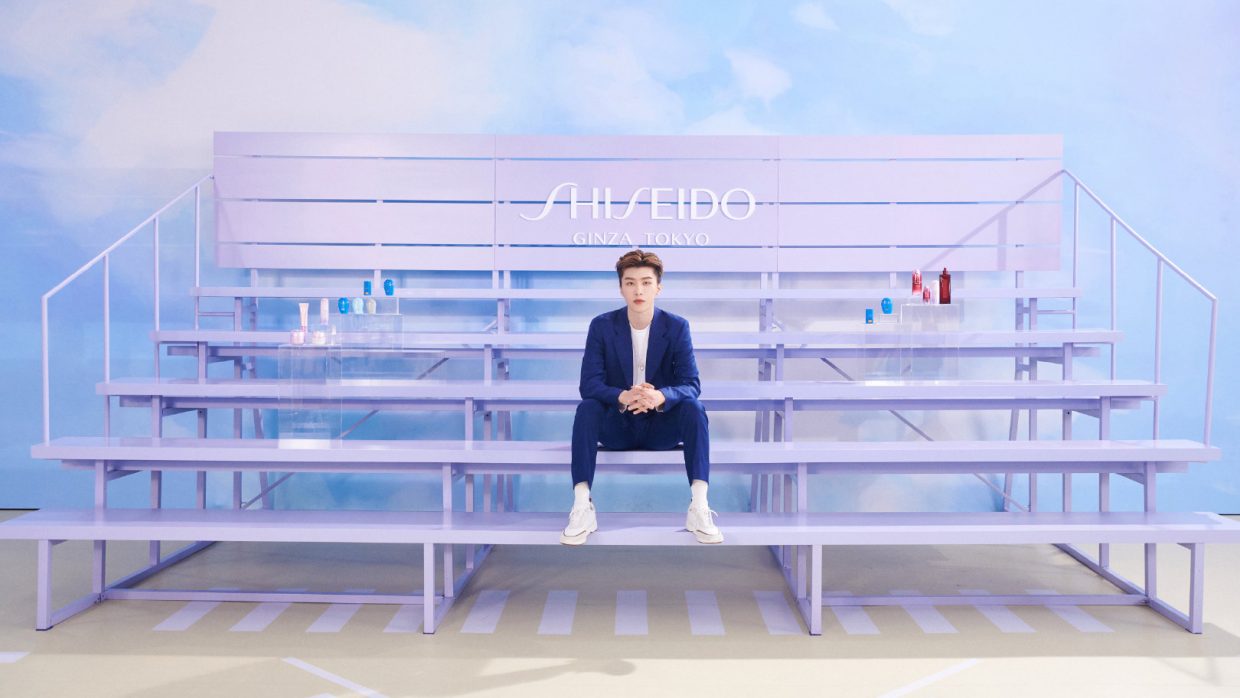
Have China’s ‘traffic stars’ become toxic for beauty brands?
Chinese “traffic stars” once offered beauty brands massive growth in China, but an explosion of idol scandals is tarnishing this strategy.
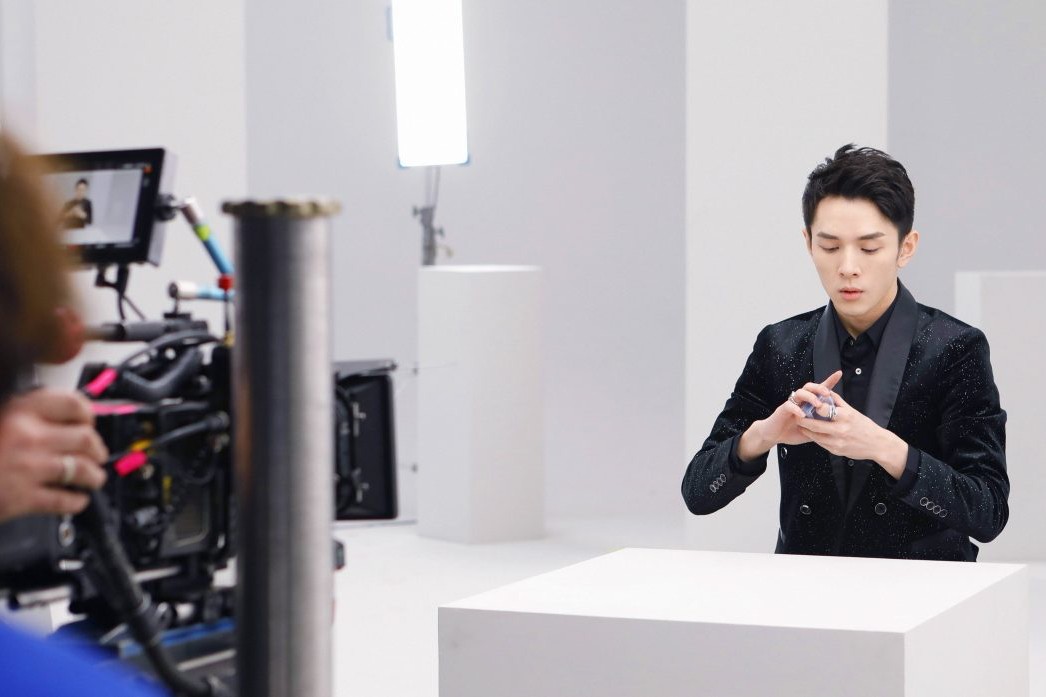
The limits of livestreaming for brands
A tendency to underestimate the digital medium’s production value and relying on content outsourcing are common problems preventing brands from getting livestreaming right in China.
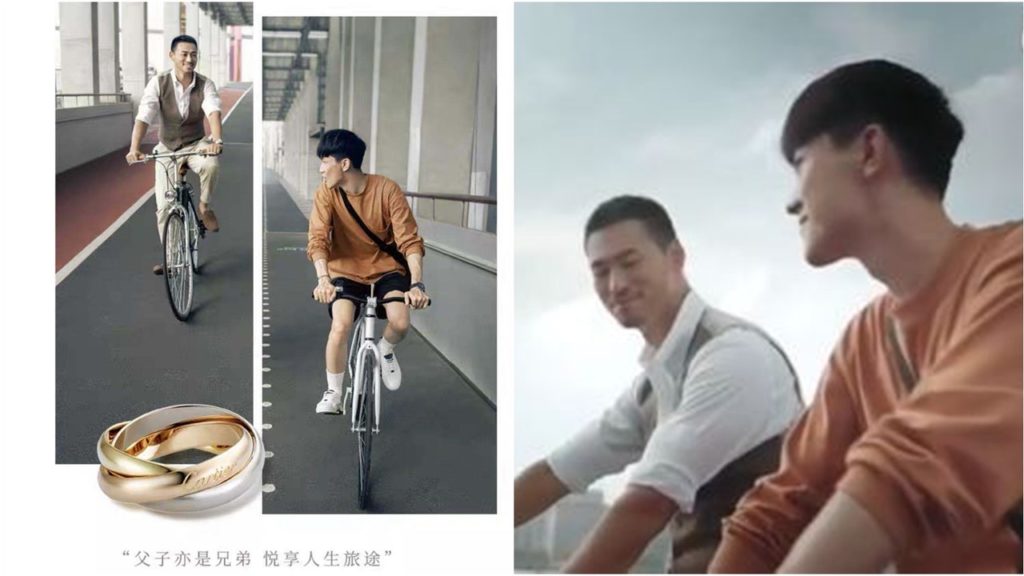
Gen-Z conservatism is changing fashion in China
In the midst of a global pandemic and a 21st-century cold war, Chinese culture has looked inward and is taking conservative turns on multiple fronts

Has China Had Enough Of Celebrity Beauty?
In China's crowded market, space for a new beauty brand, even a celebrity one, is becoming slimmer.
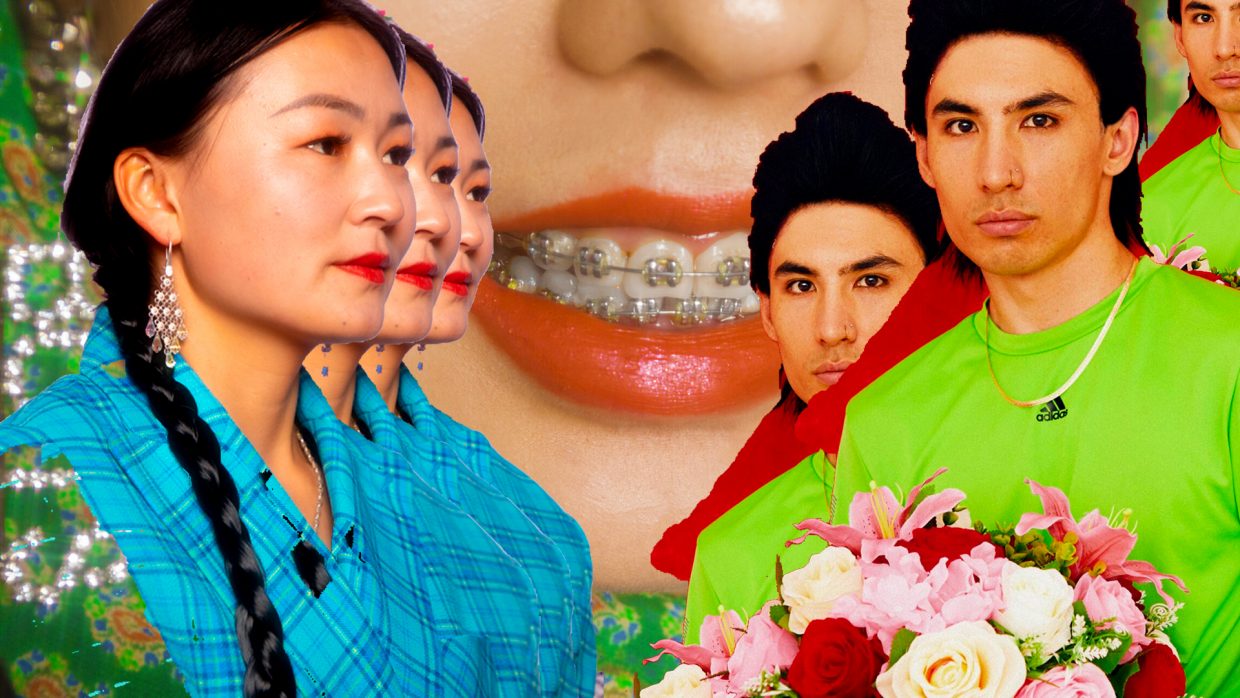
Do Chinese millennials want diversity in fashion ads?
While China’s mainstream sees diversity in fashion ads as the West's excessive political correctness, the fashion-forward crowd sees a much-needed change.
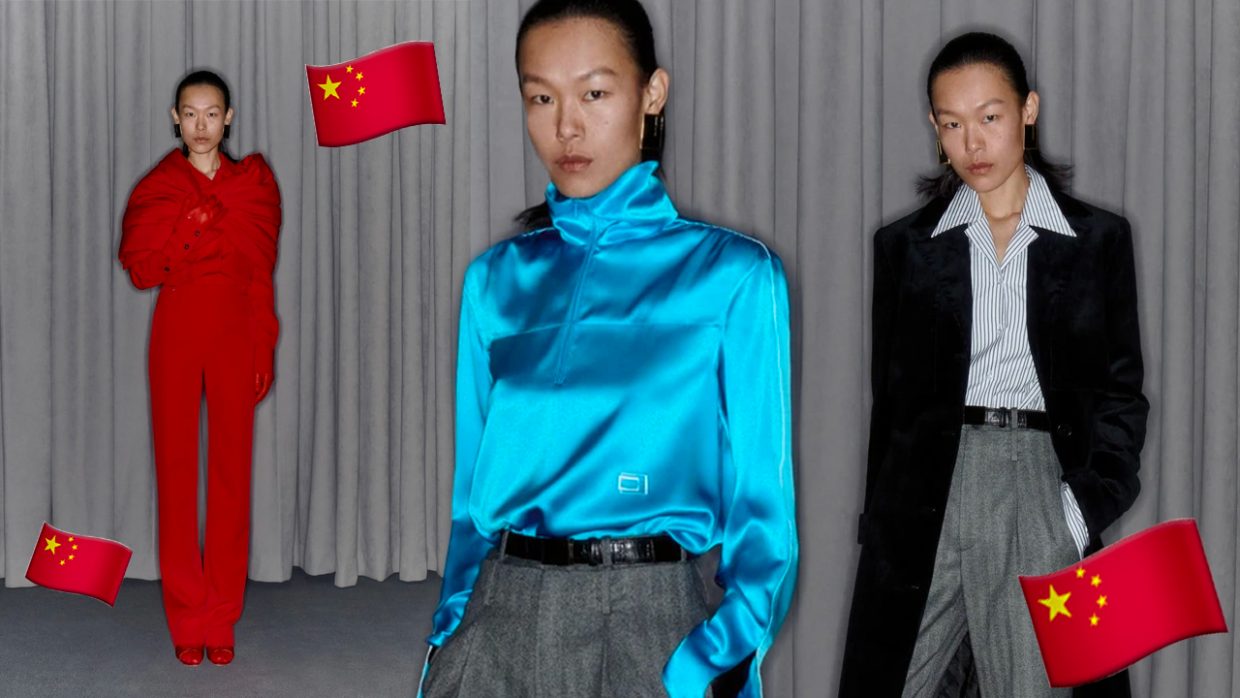
The taboo topics brands need to avoid in China
In China’s post-virus world, more topics need to be added to the list.

What luxury needs to know about China’s slasher generation
On a cultural level, the slasher phenomenon demonstrates what Chinese millennials value — individuality, flexible work hours, and self-entrepreneurship.
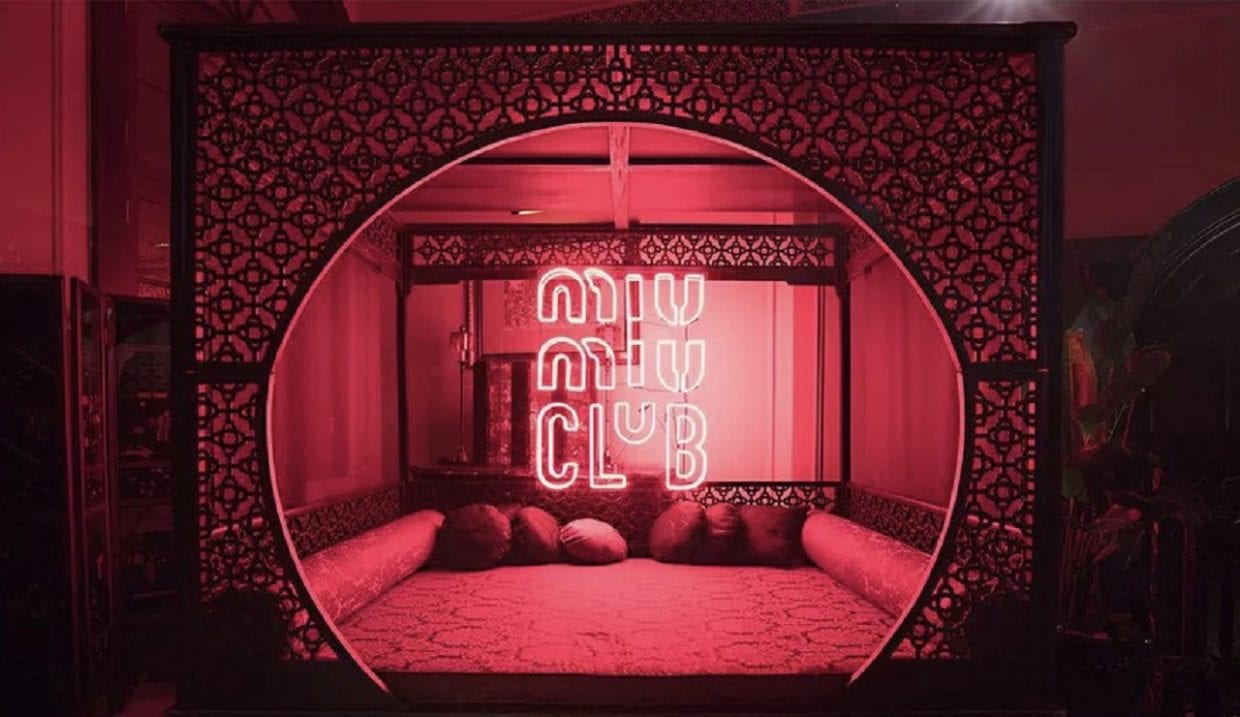
Paying tribute to China: How western brands can avoid cultural insensitivity
Watching Dolce & Gabbana's blunder, some may infer that China’s new generations are hard to please. Not true, if you do it right.
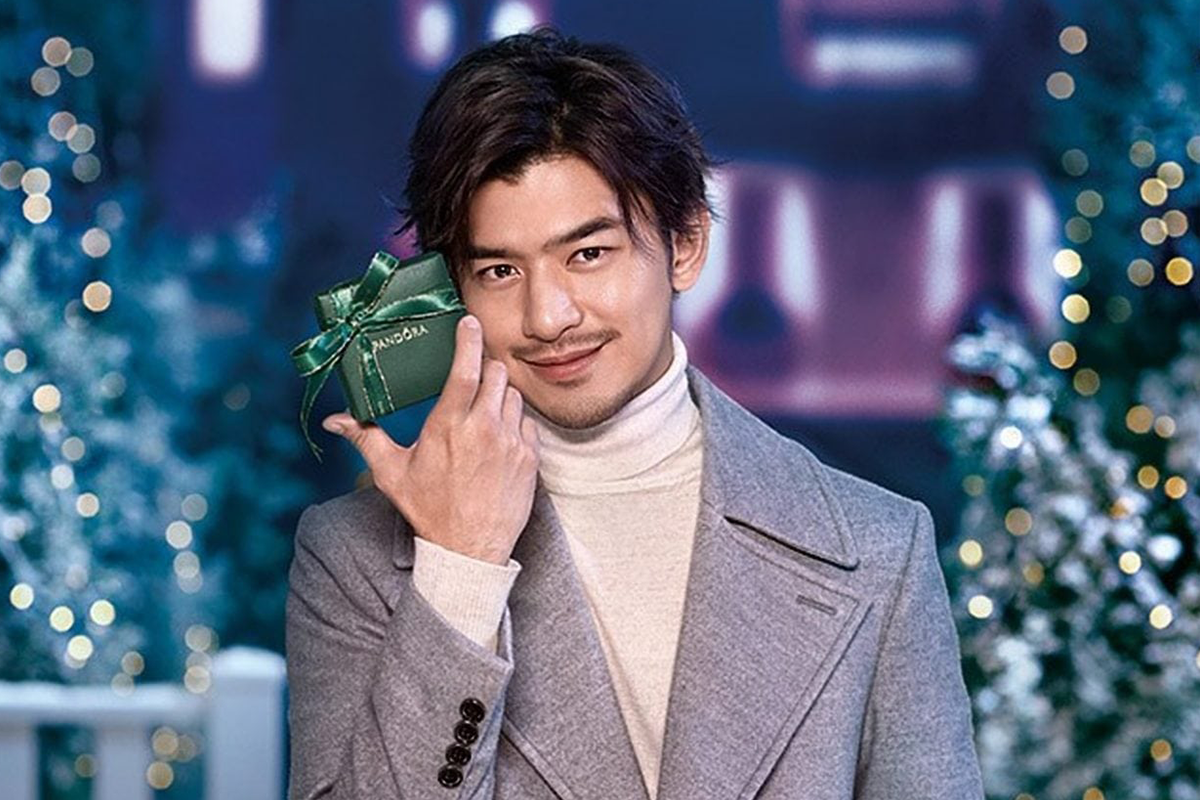
In China, luxury brands sell the (virtual) boyfriend experience
All you need is love...to sell.