A great brand story can captivate consumers, ignite a strong emotional reaction, and foster loyalty and advocacy. What is your brand story?

Choose Campaign site

What is luxury, really?
Rather than focusing on price points and status, luxury brand managers should think of luxury as the ability to create extreme value for clients.
Why pricing is the ‘easy growth trap’ in luxury
Tesla’s recent discounting initiative is unwise. Such short-term gains always come at a price. And the price, in most cases, is the brand.
Luxury recalibrated: Three action points for brands in 2023
As we enter a new phase of uncertainty and volatility, getting back to the basics will be key to strengthening the equity of your brand in 2023.
Half of luxury brands will disappear by 2030. What are the key risks?
Where there is no story, there is no extreme value, as the story can carry 99% or more of the total perceived value in luxury.
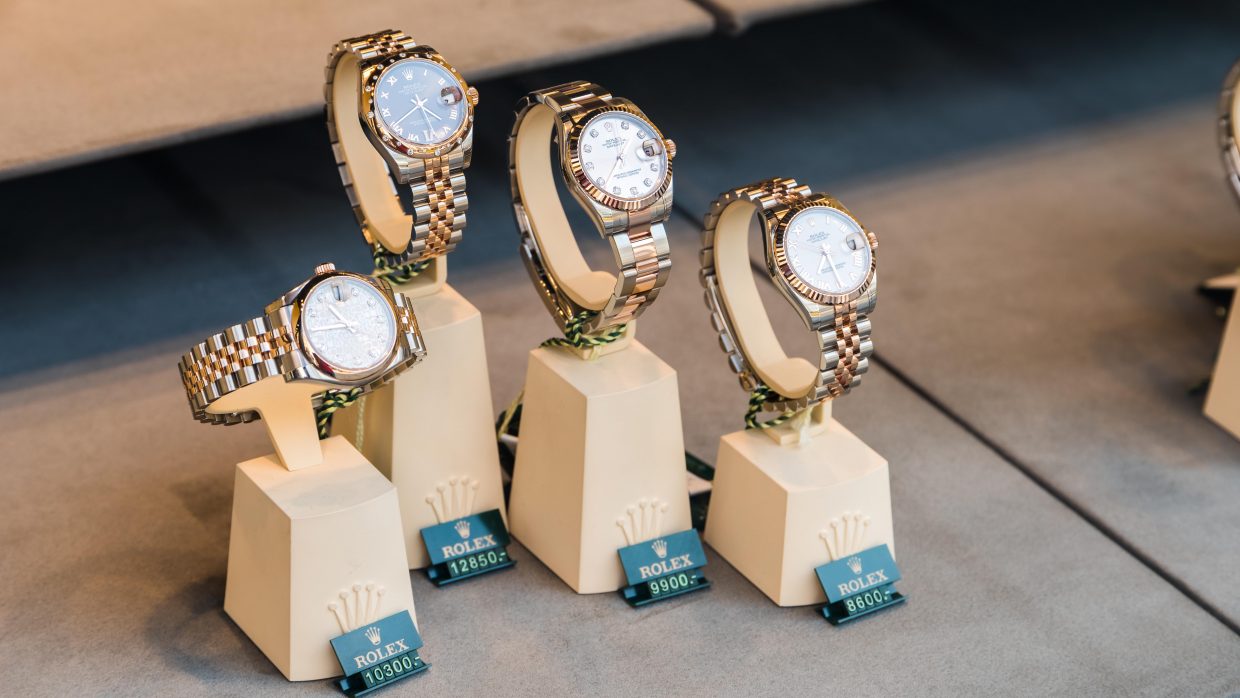
Will Gen Z break up with your luxury brand?
Half of the existing luxury brands today likely won’t survive by 2030. They must deliver a best-in-class performance or risk becoming obsolete to Gen Z.

The metaverse and NFTs: Three common mistakes luxury brands make
When metaverse projects are done wrong, clients (current and potential) will shake their heads in disbelief, move on, and let the value of the initiative collapse.

Gucci puts other luxury brands on notice by accepting crypto
Gucci’s move into crypto shows that it pays to constantly push the envelope and play to win. What can other brands learn from the brand’s bold strategy?

Why luxury brands must be strategic with NFTs in the metaverse
The metaverse offers luxury brands exciting opportunities. It’s critical, however, to be extremely strategic and play to win, especially with NFTs.

Why do luxury brands misunderstand Gen Z in China?
Gen Zers value nothing more in brands than clear values. Hence, brand storytelling has become more critical than ever before.

The metaverse brings a new sense of urgency to luxury
With the moment of truth moving from the physical to the digital space, digital mastery is simply not optional anymore. It is the only way to grow in the metaverse.
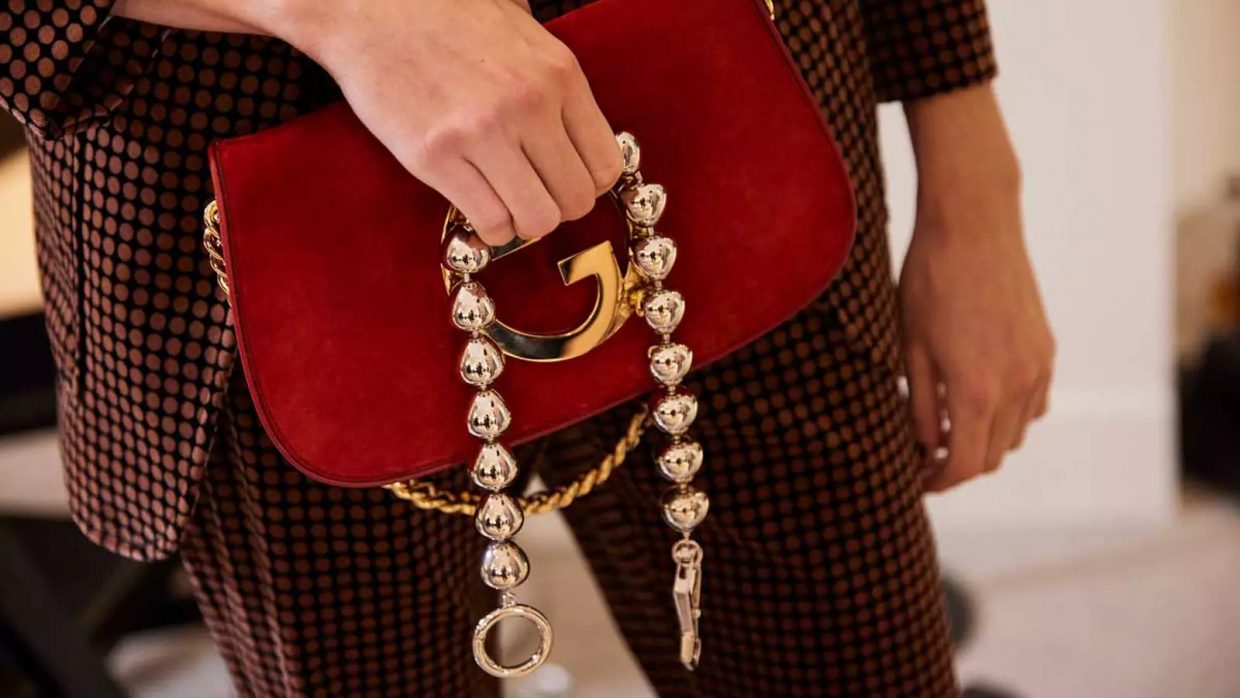
What can luxury brands learn about storytelling from Gucci?
Brand storytelling is one of the most challenging tasks for any brand today. So how does Gucci nail it time and time again?

What luxury brands need to know to succeed in the new metaverse
The metaverse is screentime on steroids, and luxury brands will soon have to engage with customers there. But how?

How to redefine luxury for Gen Z
To appeal to Gen Z, established brands should never try at all costs to act as if they are young. On the contrary, because of their easy access to vast troves of data, Gen Zers value authenticity.
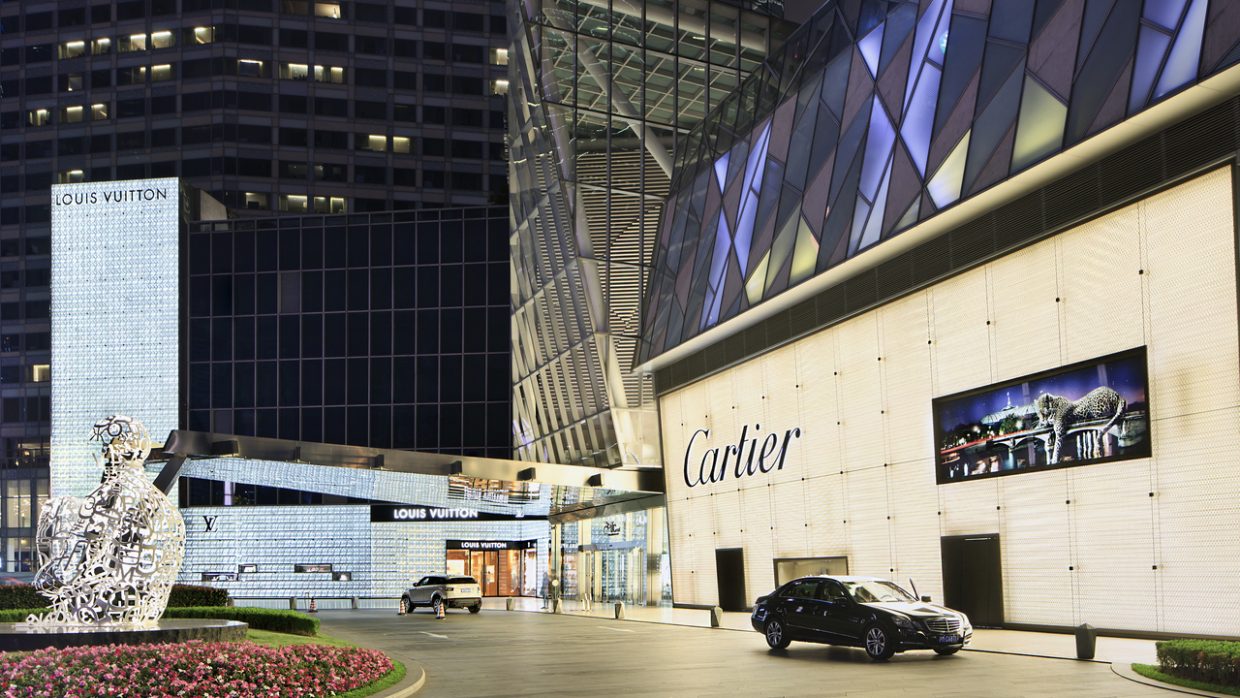
Why the Chinese decade of luxury is just starting
Does the latest government crackdown in China prove that the country’s luxury bubble is about to burst? Not so fast.

Why China is the only luxury superpower
Over the last five years, most luxury growth was generated by Mainland China or Chinese tourists, and the market is only becoming more crucial.
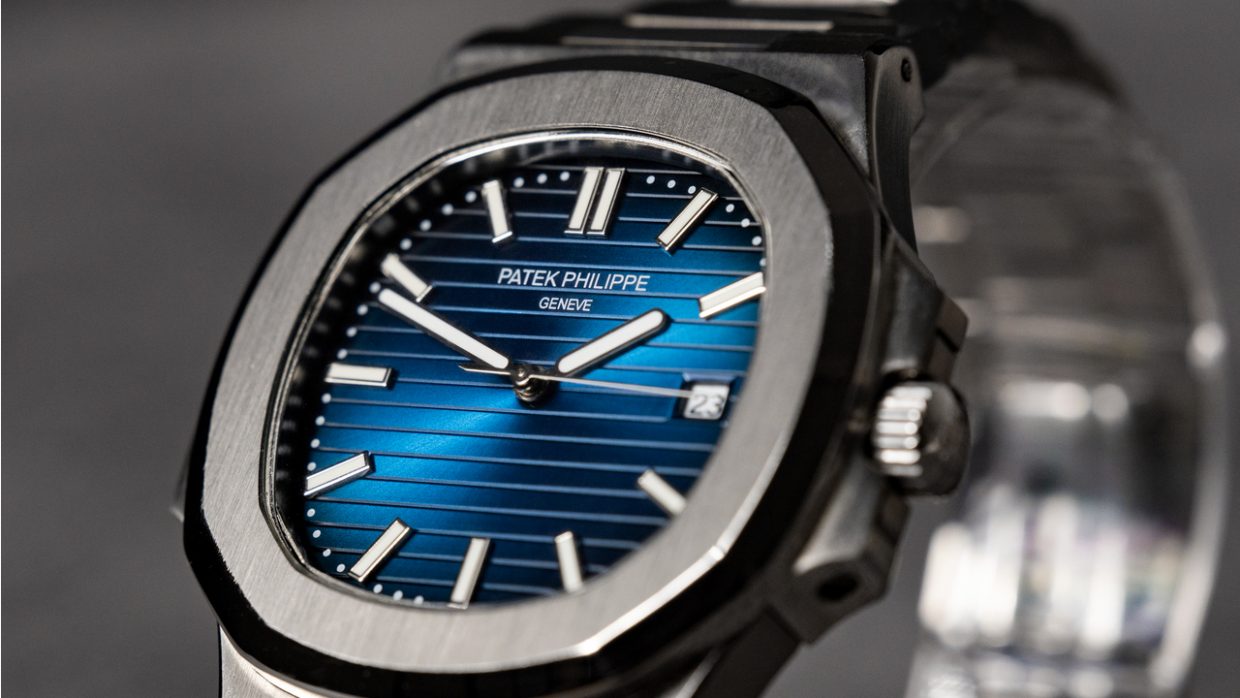
When killing your top product is a smart move
It is rare for a brand to discontinue its most iconic item. But Patek Philippe did just that with its Nautilus 5711 – and it was a smart move.

3 critical steps luxury brands must take to rebound
The pandemic has forced all brands to question everything, and luxury brands, now more than ever, must think holistically about the luxury experience.

3 critical steps luxury brands must take to rebound from Covid-19
The pandemic has forced all brands to question everything, and luxury brands, now more than ever, must think holistically about the luxury experience.

Luxury labels must avoid the sales promotion trap to survive
Companies greatly underestimate the damage that promoting a luxury brand can cause, with many brands assuming that the only way to survive in the short term, is to lower prices.

Why poor service will destroy your luxury brand
Many luxury brands have struggled to fill their stores due to poor service. But this issue isn’t just unprofitable; it also destroys brand equity.

Why Burberry’s problems should scare all luxury brands
Despite cultivating growth in the Mainland China region, Burberry’s sales in the EMEIA region were down 75%. The main culprit? Large discounts.
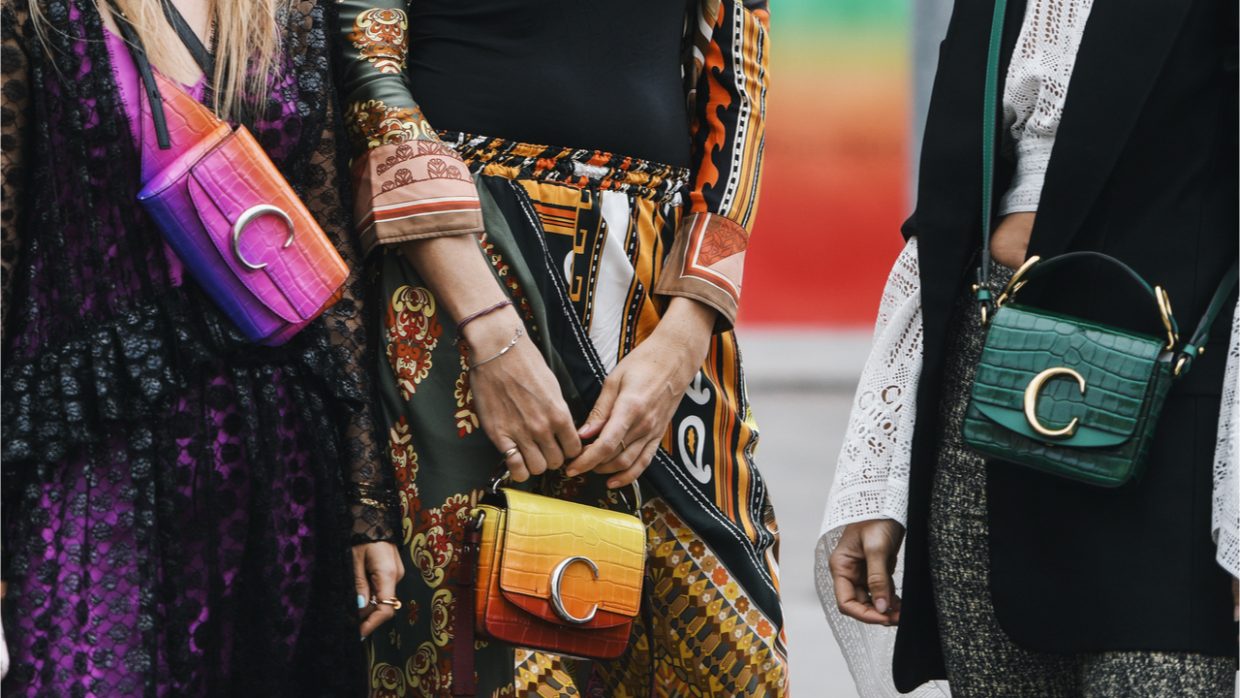
Why luxury will never be the same
Most luxury brands have lost a staggering amount of earnings during this crisis, but a lot of these drastic results could've been avoided with brand audits.

Why discounts are a dangerous overreaction to a crisis
If a consumer bought a luxury handbag for $5,000 before the crisis, but it’s now available for 25% less, brand damage will be significant. Brands risk alienating their most loyal consumers in the hopes of attracting ad-hoc, one-time customers.
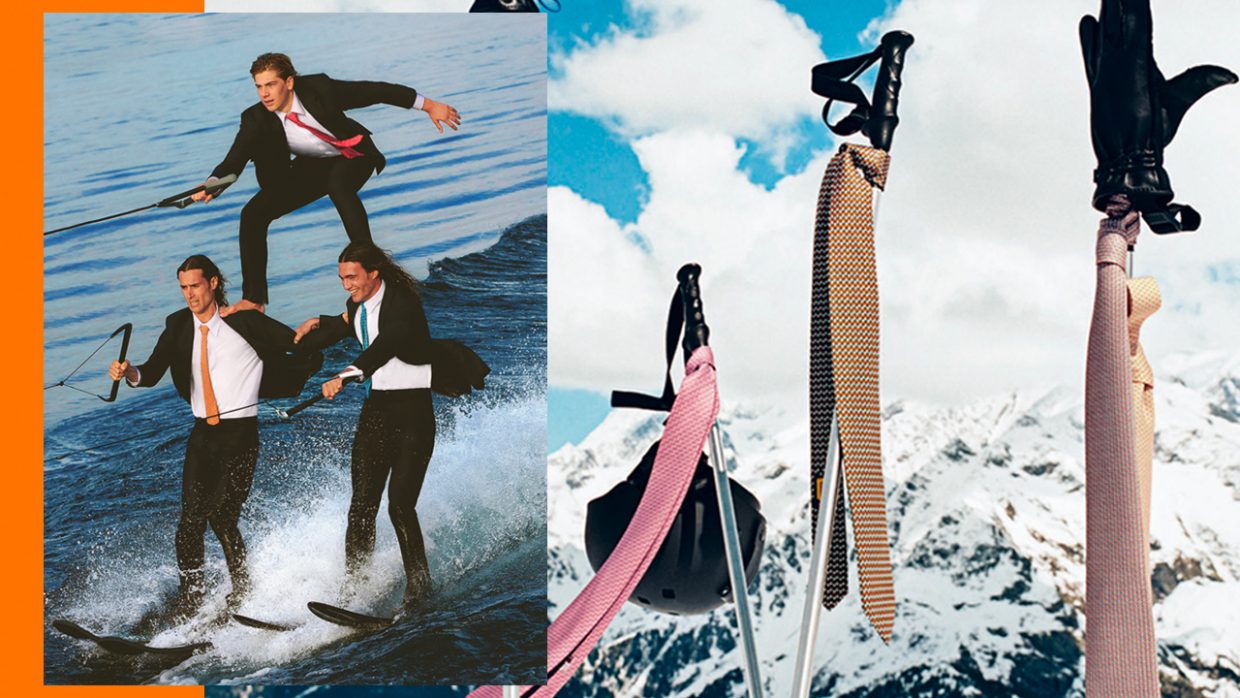
Why many Western luxury brands banking on China will fail
Luxury brands that struggled before the outbreak will continue to lose momentum in China if they don’t transform their digital capabilities.

Why it’s a mistake to define luxury by price
Almost all high-priced products get called "luxury" these days, but prices don't define which brands get considered luxury brands. Only extreme value can do that.

Luxury 2030: The rise of personal luxury experiences
Luxury consumers will only get more demanding in the future, and the key to attracting a new generation of buyers will be greater personalisation.
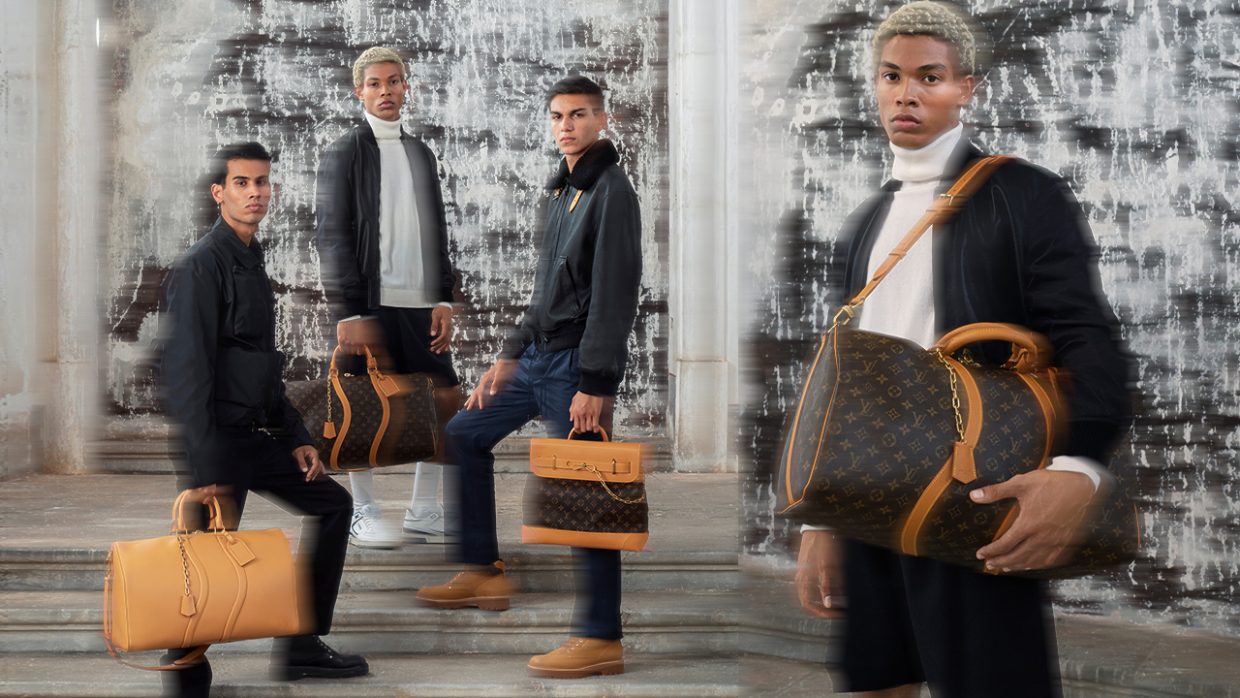
Luxury 2030: What luxury brands need to start doing now
So you think the luxury market is challenging now? Just wait until the year 2030 when Gen Zers become the largest spending group in the world.

5 luxury trends in China that matter to brands
Relevant for all luxury brands, including in the fashion, food and beverage, lifestyle, and service categories, these trends are changing the way the game must be played to stay relevant.
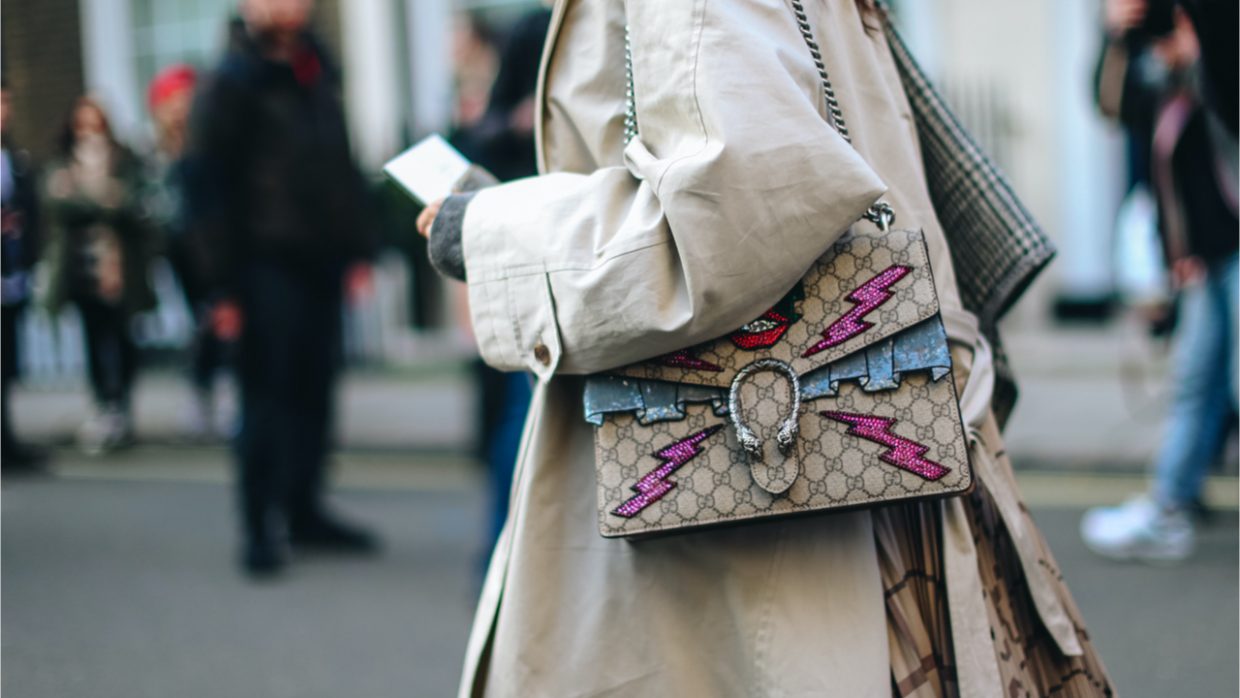
Why luxury’s hidden value drivers matter to brands
People subconsciously ascribe enhanced attractiveness to luxury, and that expected attractiveness drives the value of luxury products significantly.
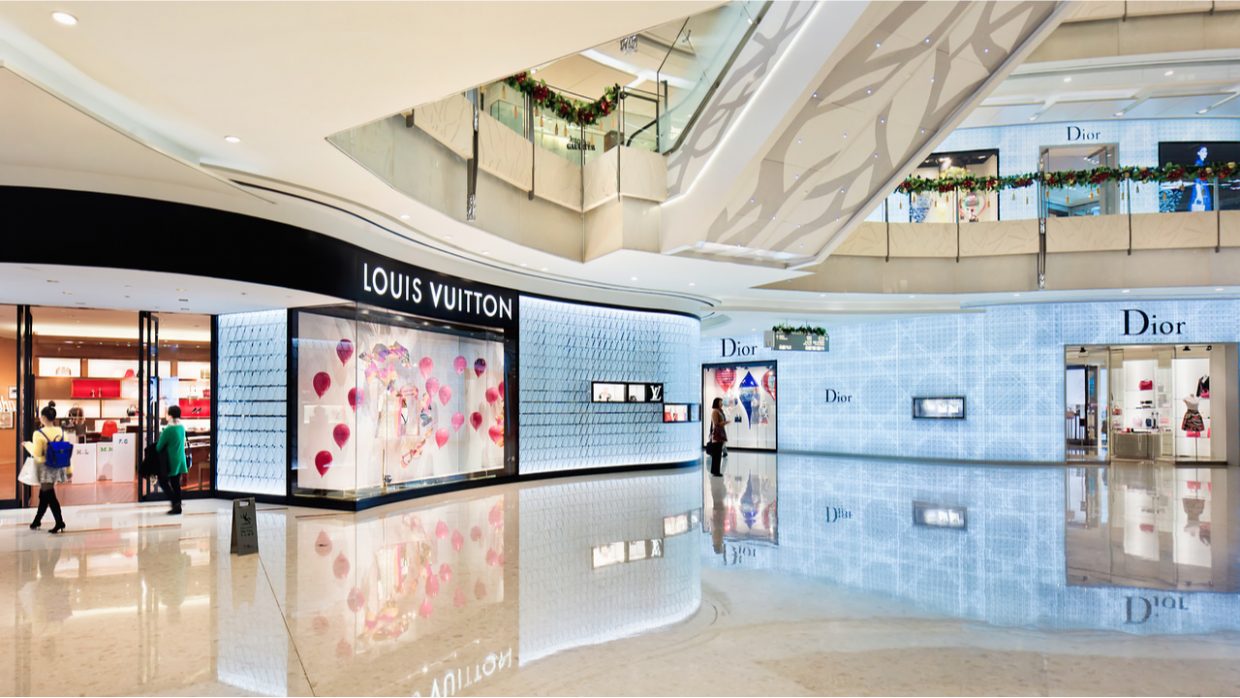
The changes luxury brands need to make in China
Very few brands tell their story right, and even fewer are excellent in providing a “branded experience” along all touchpoints of the customer journey.

Why most luxury brands fail with Chinese millennials
Despite the strong growth rate of the luxury market in China, most brands still fail to address Chinese Millennials appropriately.

Traditional marketing no longer works in China
Here’s what does.