Can Vietnam become the next China for luxury brands?
The luxury industry has pursued every opportunity in China’s high-growth market. Yet, thus far, it has ignored this other market in the Asia-Pacific region.

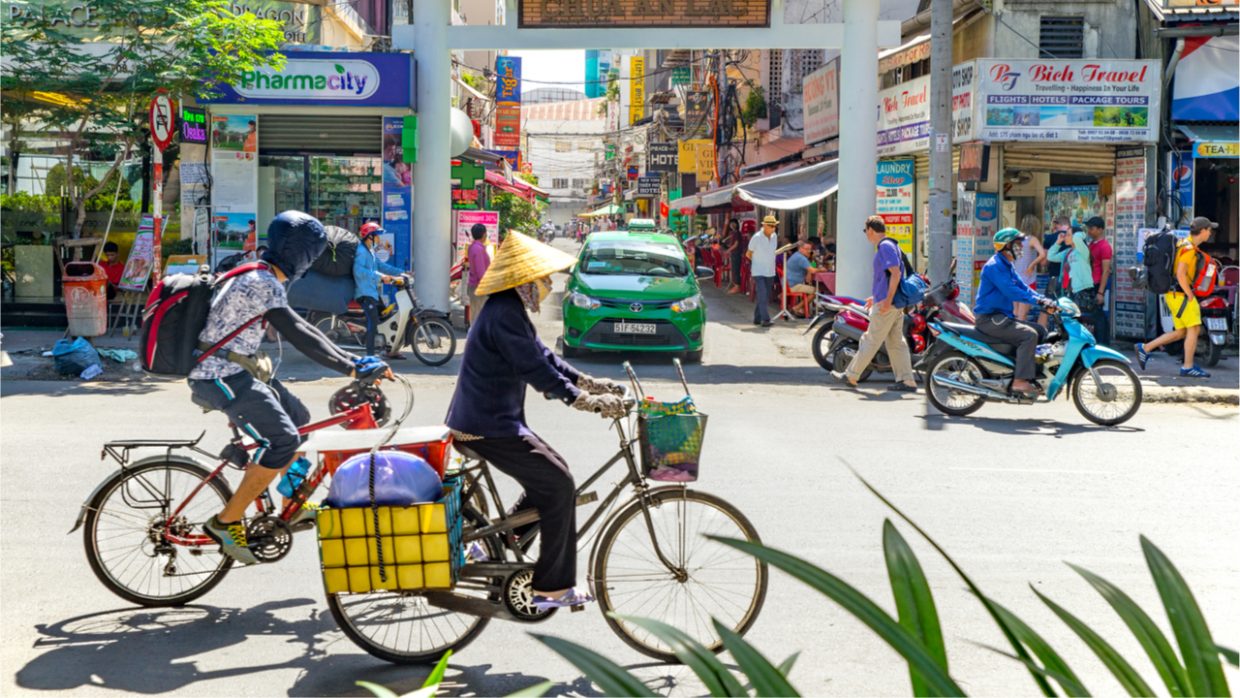
The luxury industry has pursued every opportunity in China’s high-growth market. Yet, thus far, it has ignored this other market in the Asia-Pacific region.
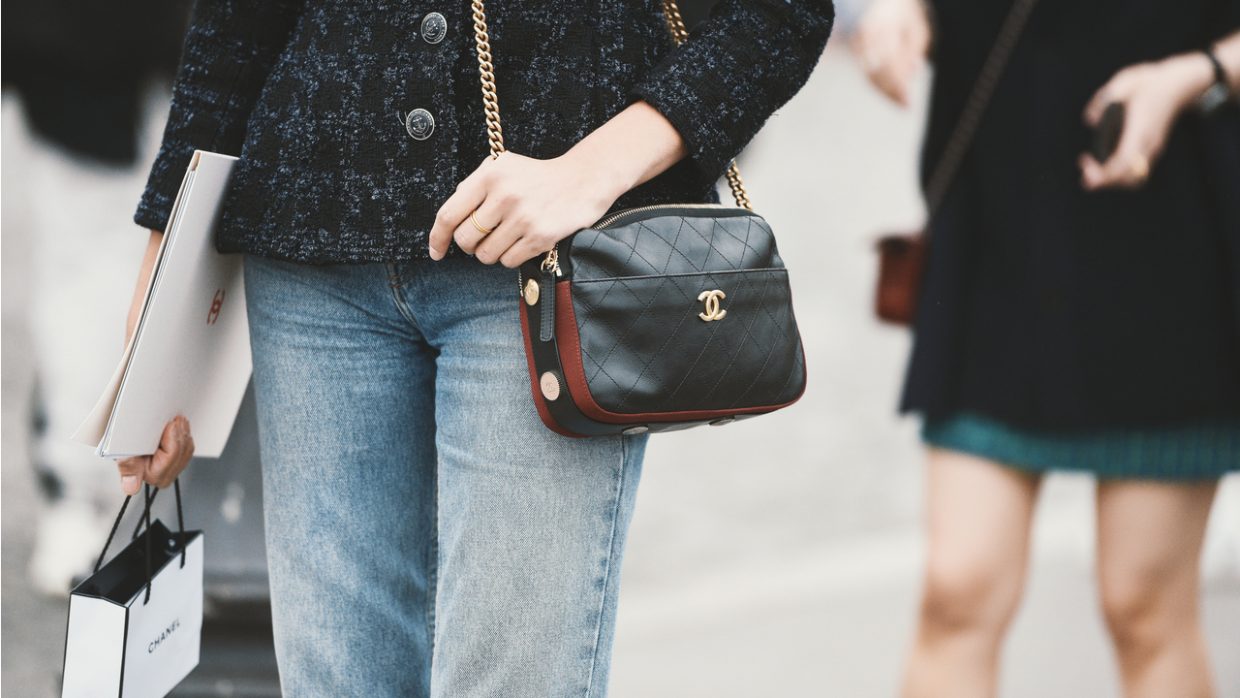
China’s crackdown on a wide range of businesses shows Beijing is changing its strategy. But can luxury brands take advantage of this shift?
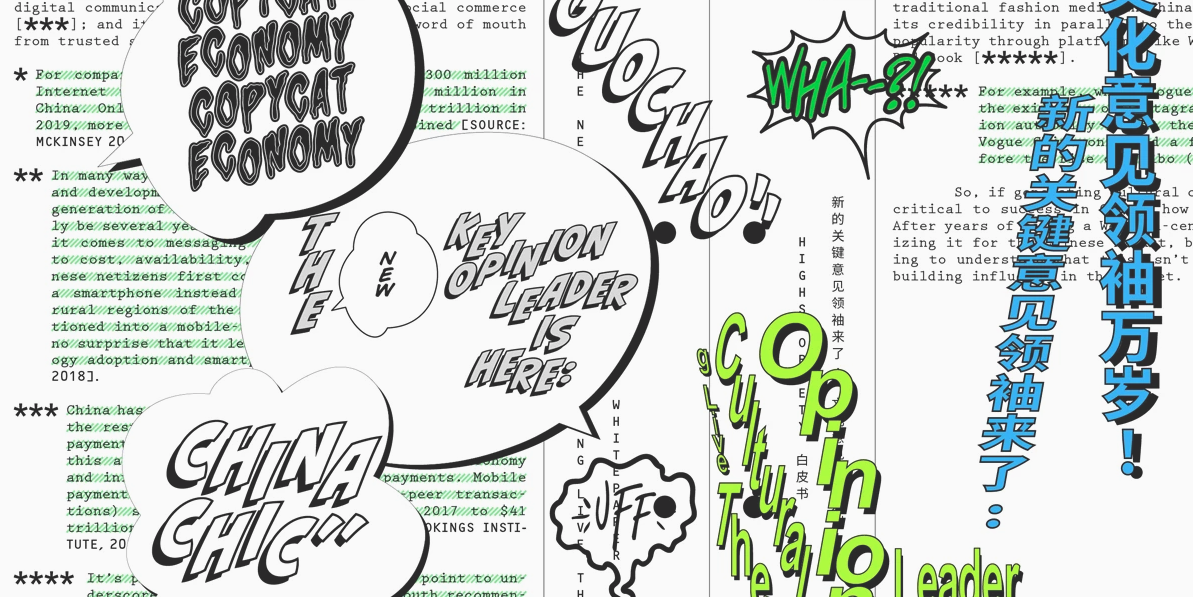
A new generation of creative tastemakers have emerged, called 'Cultural Opinion Leaders' (COLs). Are they China’s next big influencers?
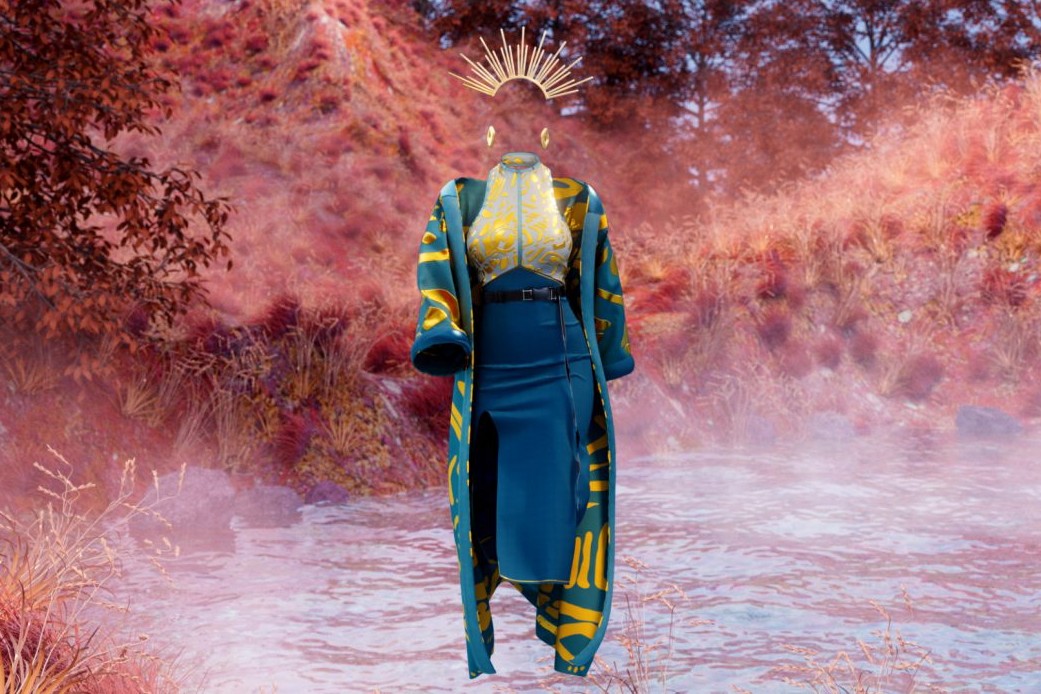
Whisky brand targets young Chinese consumers by aligning with up-and-coming artist.
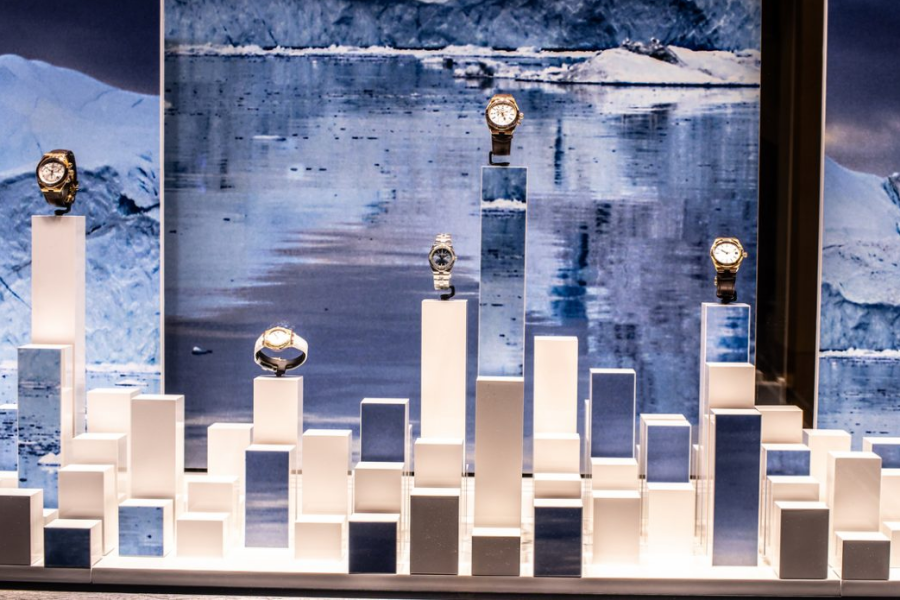
Predicting the future of retail is hard, but the pandemic looks like it will reverse some trends, such as the democratisation of luxury and the return to physical stores.

Beijing heightened its war on tech titans, improper data use, and unfair competition on Tuesday, but is it a good move in the long run?
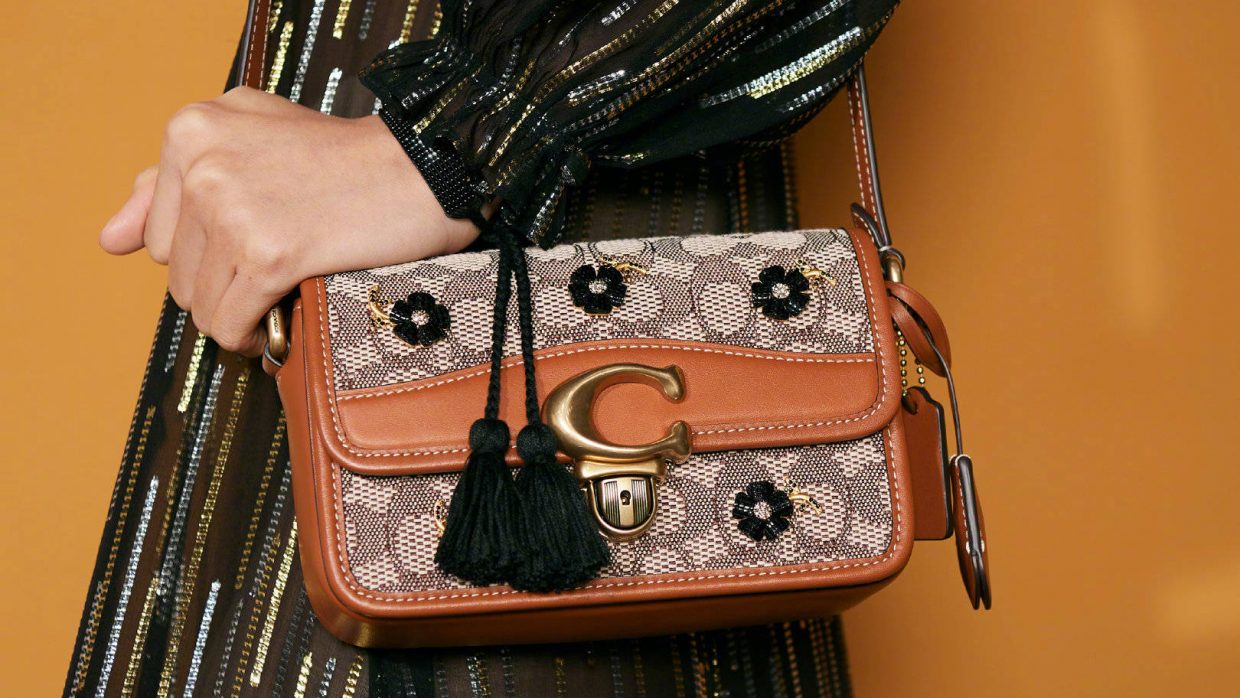
Due to the pandemic, Chinese consumers are are now looking to trade up and buy “investment pieces”, instead of buying trendy seasonal apparel items.
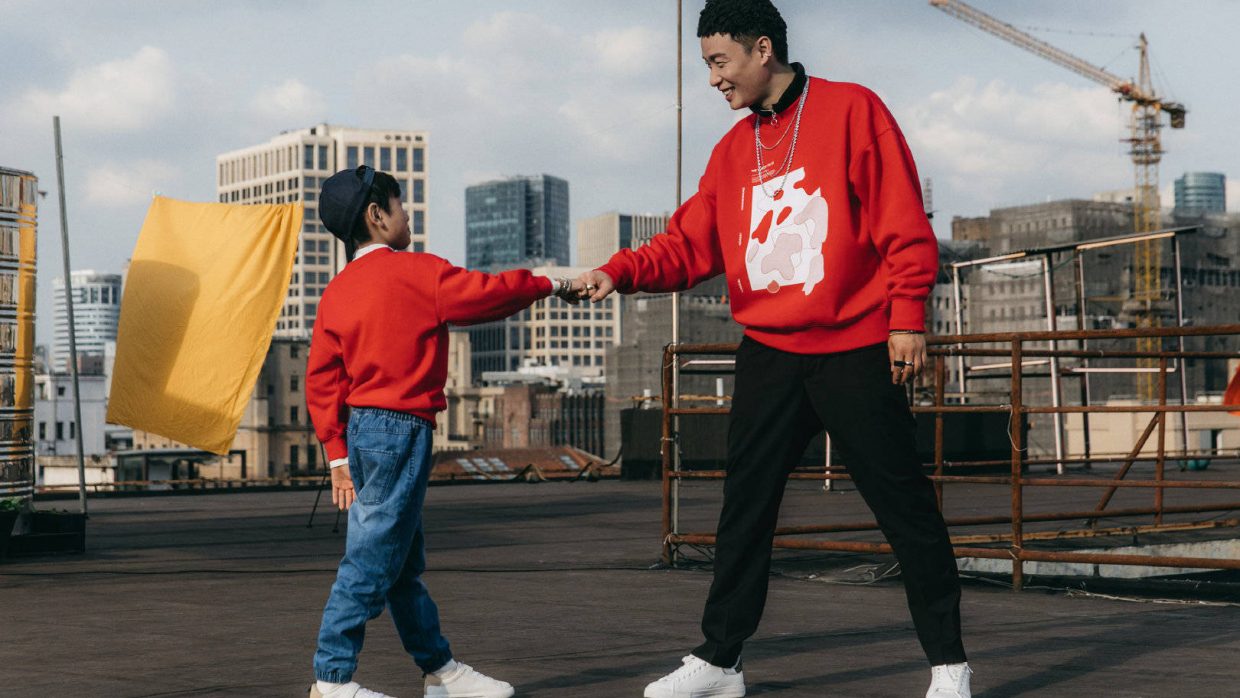
H&M recently saw some of its products banned in China, but should the brand be more worried about its connection with China’s consumers?
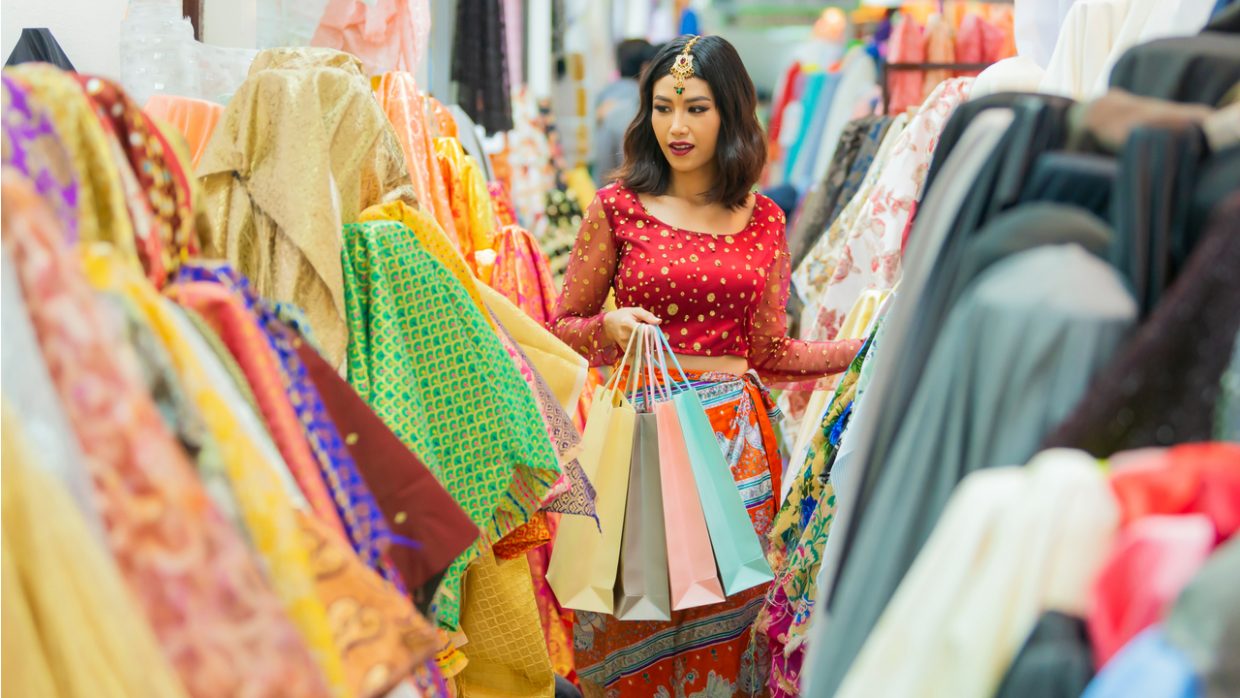
India has a fast-growing elite and aspirational classes — and their insatiable appetite for luxury reminds global brands of China.

Surprisingly, the pandemic has led to the rise of new luxury sub-segments that are exceeding our expectations. Here’s a look at seven of them.
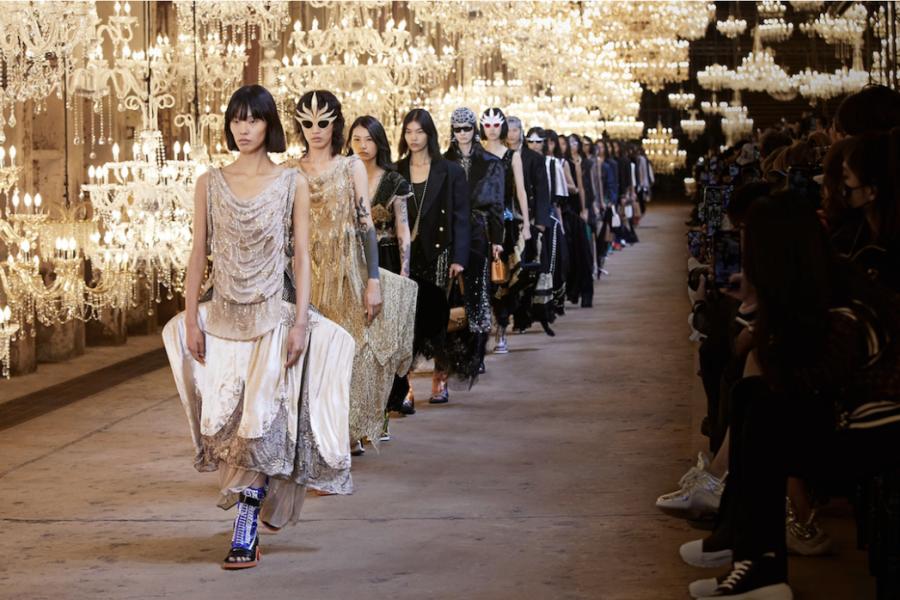
Research shows that luxury brands must prioritise sustainability to appeal to younger customers in China, but does that truly translate to sales?
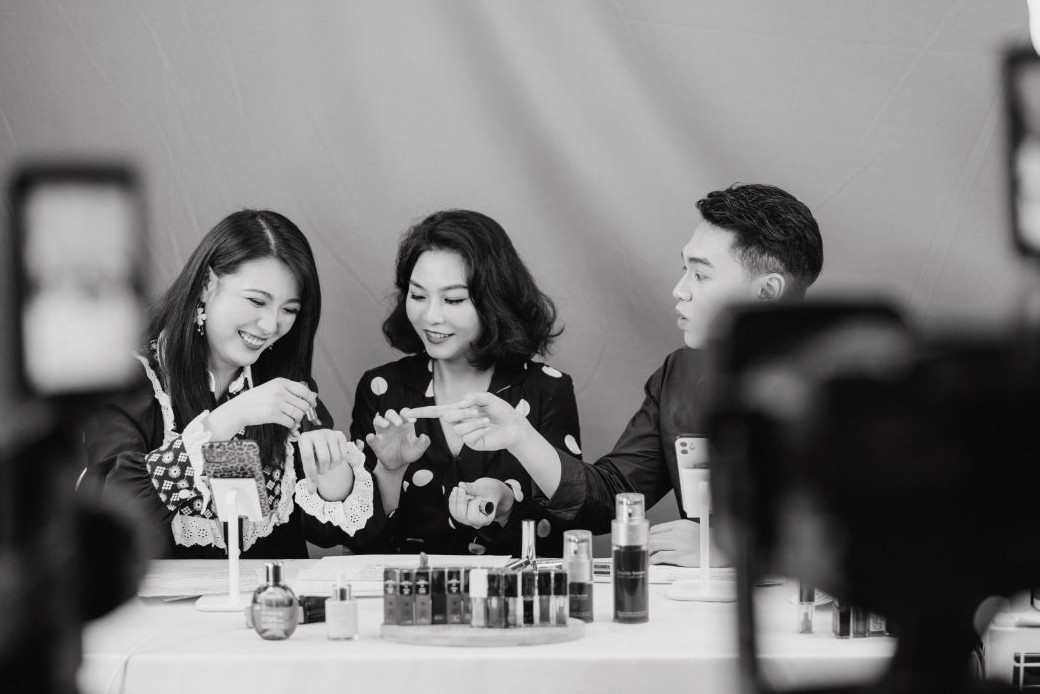
From new brand advocacy approaches to the growth of live-streaming, a review of the marketing techniques set to blow up in China in 2021.
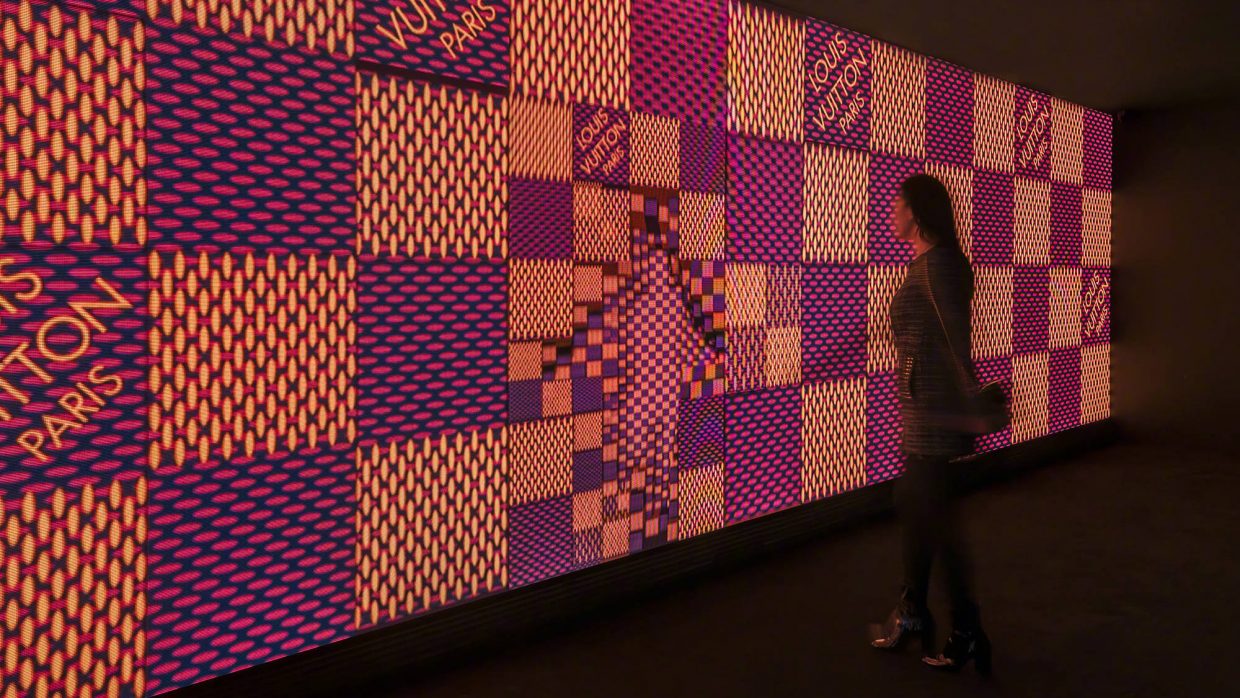
The Western world is trending toward a retail apocalypse. But in China, high-end boutiques, concept stores, and pop-up shops are blooming like crazy.
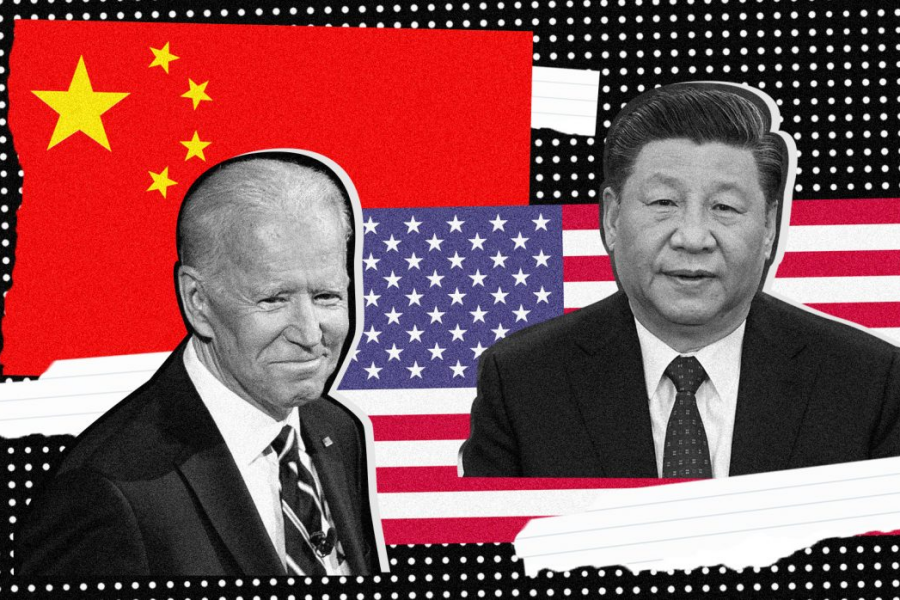
Europe's luxury brands could benefit from continued tensions between China and The US and come out as the winners.
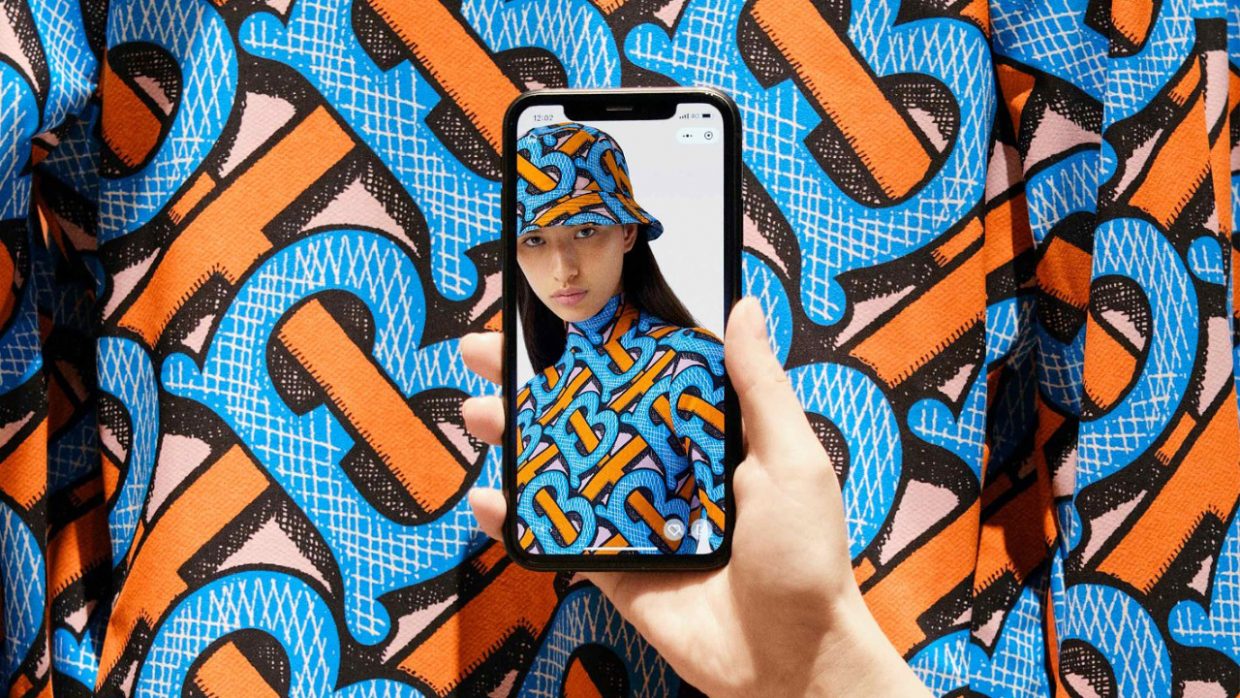
Social commerce sales in China are ten times that of the US. How did China get so far ahead?
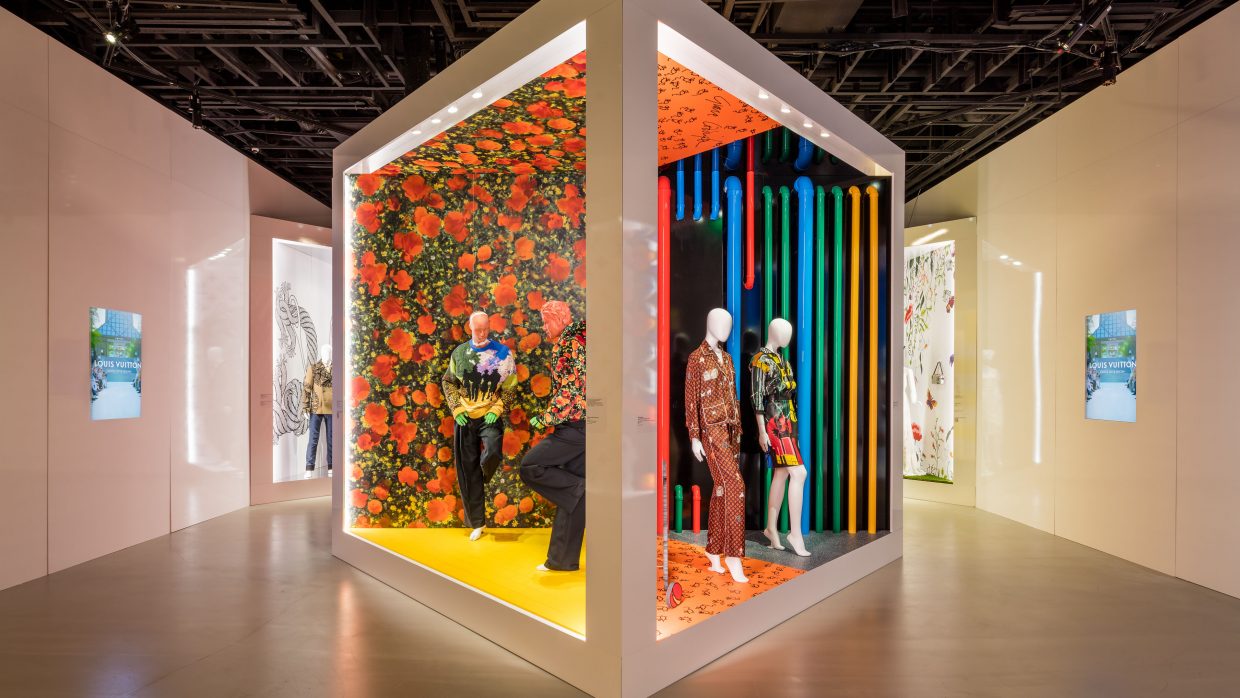
A look at the luxury brands that understand how to create emotionally-connected retail to recruit young, first-time purchasers.
More than 60% of global consumers have changed their shopping behaviour this year and consumer disloyalty is rising, according to a report by McKinsey & Co.
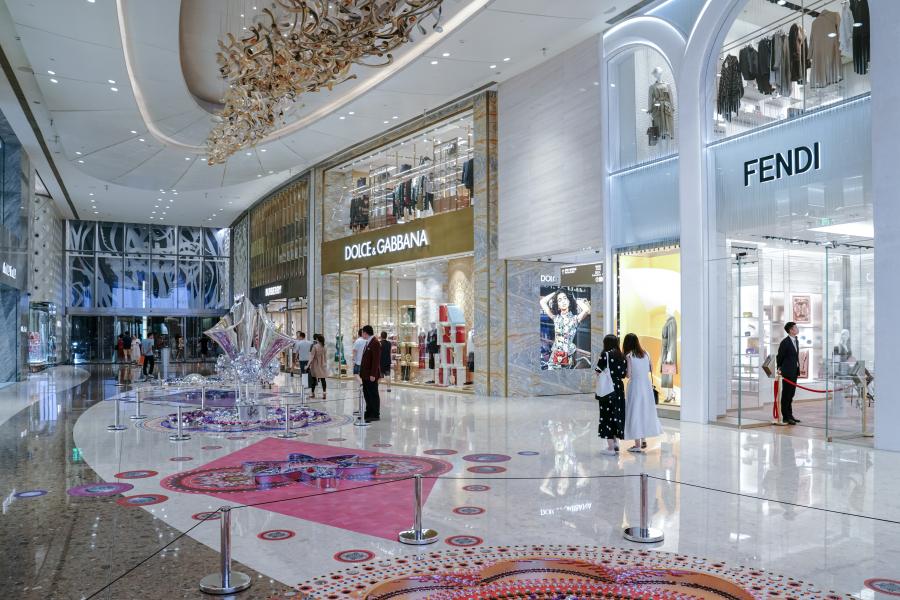
Every company looks for innovative ways to earn repeat business and retain loyal customers, but in the digital age, customer loyalty retention is more difficult and doubly so for the luxury industry.
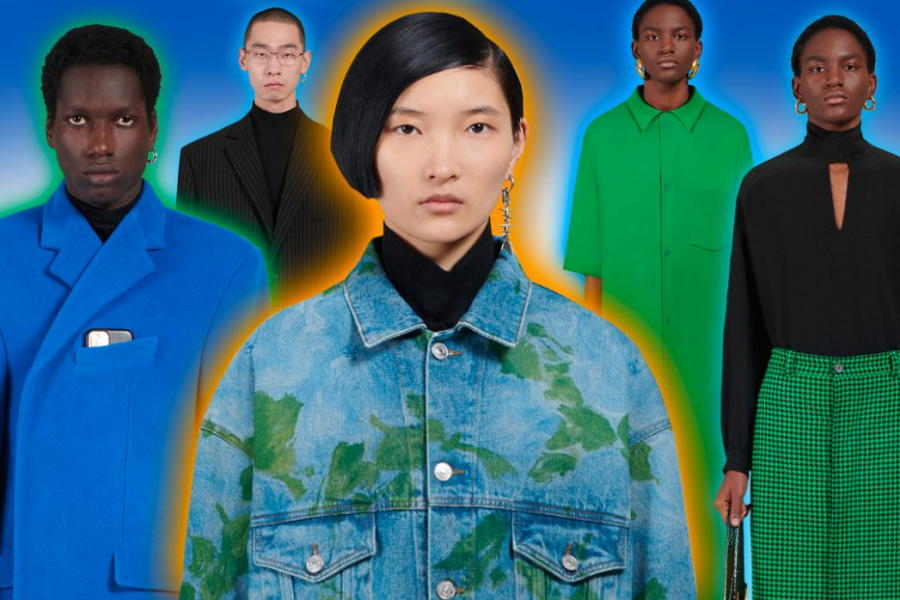
Luxury labels need to evolve into more flexible entities if they want to thrive in China, so they must implement new marketing strategies that drive luxury sales.
JD.com executives discussed post-COVID-19 market trends, and the company’s consumer knowledge reinforced the belief that shoppers now have different needs.
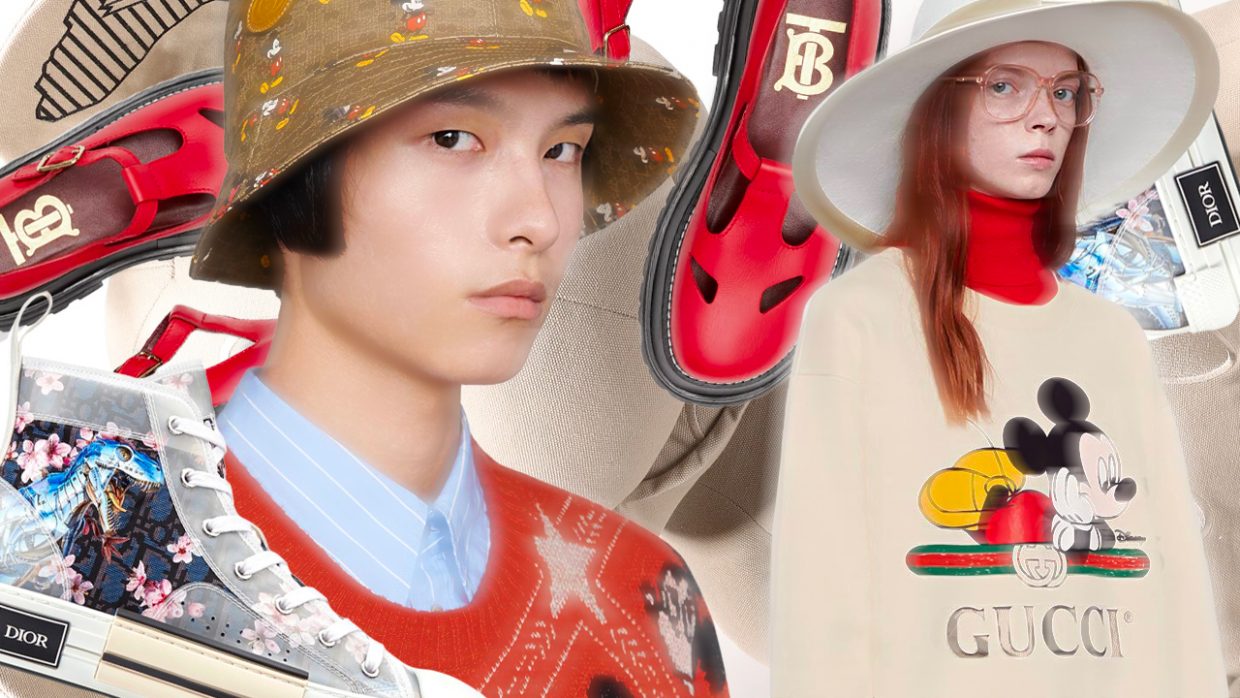
Partnerships between two different categories such as fashion and art opens a brand up to new consumers and markets.
Chinese e-tailer Pinduoduo has found success with its “collective buying” shopping model, but now it needs to innovate or suffer the consequences.
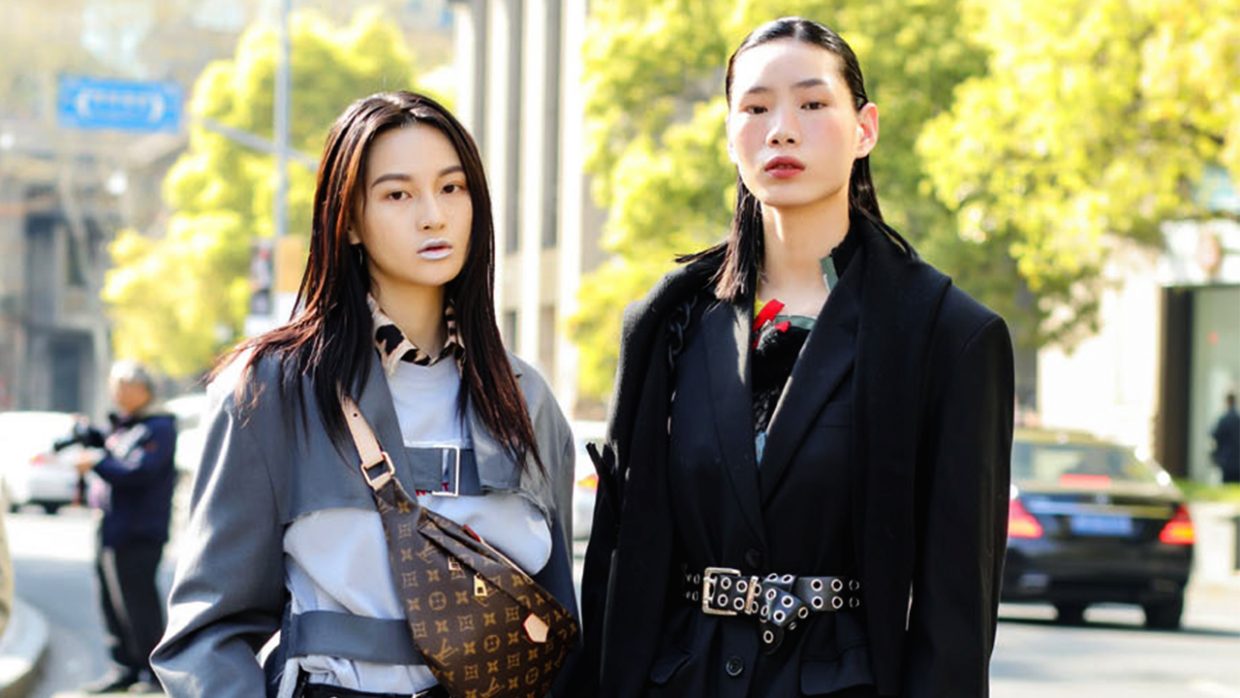
Consumers in China are experiencing “influencer fatigue,” which means brands will need a new way to market their products. That's where social selling comes in.
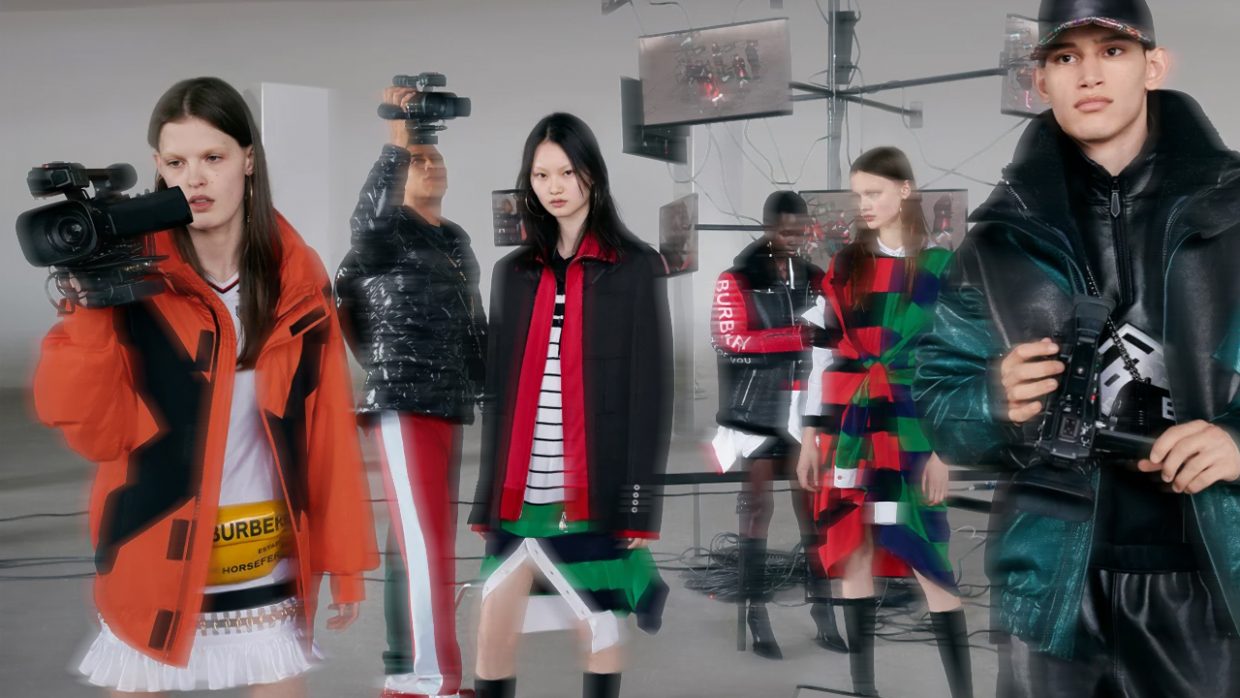
TikTok is the ultimate destination for quirky short-videos, which makes it an ideal platform for brands to create video content to reach a possible younger consumer base.
Marketers in China have moved toward a new, innovative model that optimizes resources and takes advantage of performance management strategies.